What Do I Put in My Hummingbird Feeder | Simple Nectar Guide
When people first hang a feeder in their yard, the first question they ask is simple. What do I put in my hummingbird feeder?
I remember asking the same thing years ago when I started watching hummingbirds in my garden. I had flowers everywhere and finally decided to hang a small feeder near my porch. Within a few days, a tiny hummingbird came to investigate. That moment got me hooked on watching these amazing birds.
Hummingbirds are attracted to sweet nectar just like the nectar they drink from flowers in nature. A feeder gives them another place to find that energy-rich food. When the mixture is made correctly, it is safe and very helpful for them.
The good news is that the best food for hummingbirds is very simple. You do not need special powders or expensive store mixes. In fact, the healthiest option is something most people already have in their kitchen.
If you are wondering what I put in my hummingbird feeder, the answer is a basic nectar made from sugar and water. This simple mixture closely matches the natural nectar hummingbirds find in flowers.
Over the years, I have watched many hummingbirds visit my feeders. Some arrive quietly and sip for a few seconds. Others guard the feeder as it belongs to them. Watching their behavior becomes even more fun when you know you are providing the right food for them.
Main Explanation of the Topic
If you are wondering what to put in my hummingbird feeder, the answer is very simple. The best food is a mixture of white sugar and clean water. This homemade nectar closely matches the sweetness of many flowers that hummingbirds visit in nature.
Over the years of watching hummingbirds in my garden, I have tried different feeders and different locations. One thing never changes. Hummingbirds always come back when the nectar is fresh and made the right way.
The Simple Hummingbird Nectar Recipe
The best mixture uses a simple ratio.
Use one part white sugar and four parts water.
For example, you can mix one cup of sugar with four cups of water. Stir the mixture until the sugar fully dissolves.
Some people like to warm the water to help the sugar dissolve faster. If you do that, let the nectar cool before putting it in the feeder.
This mixture works well because it is very similar to the nectar hummingbirds drink from flowers in the wild.
Why Plain White Sugar Works Best
Many beginners think hummingbirds need special food from a store. In reality, simple white sugar works best.
I have watched hummingbirds feed from my backyard feeder for many seasons using only this mixture. They visit again and again when the nectar is fresh.
White sugar gives hummingbirds the energy they need. These birds burn a lot of energy every day as they fly, hover, and defend feeding spots.
What to Avoid in a Hummingbird Feeder
Not everything sweet is safe for hummingbirds. Some foods can harm them.
Never use honey in a hummingbird feeder. Honey can grow harmful bacteria and fungi
Do not use brown sugar. It contains minerals that hummingbirds cannot process well.
Artificial sweeteners should also be avoided. They do not provide the energy hummingbirds need.
Red dye is another thing people sometimes add. It is not necessary. Most feeders already have red parts that attract hummingbirds.
How Often to Change the Nectar
Fresh nectar is very important.
In warm weather, I usually change the nectar every two or three days. If the weather is cooler, it may last four or five days.
Whenever I refill the feeder, I also rinse it with warm water. Clean feeders help keep hummingbirds healthy.
When hummingbirds learn that a feeder always has fresh nectar, they quickly make it part of their daily route. I often see the same birds returning many times throughout the day.
Important Hummingbird Facts Related to This Topic
Spending time around hummingbird feeders teaches you a lot about how these tiny birds behave. When you understand their natural habits, it becomes clear why the right nectar mixture matters so much.
Hummingbirds Need Constant Energy
Hummingbirds burn energy faster than almost any other bird. Their wings beat very fast, and they spend much of the day flying.
Because of this, they must eat many times each day. Nectar gives them quick energy from sugar. When I sit outside and watch my feeder, I often see hummingbirds return every few minutes for another small drink.
A feeder filled with the right nectar helps them refill their energy quickly.
They Remember Reliable Food Sources
One thing that surprised me when I first started watching hummingbirds was how good their memory is.
Once a hummingbird finds a feeder with fresh nectar, it usually remembers that location. I often see the same bird returning to the exact feeder again and again throughout the day.
Sometimes a hummingbird will even fly straight to the feeder without checking nearby flowers first. That tells me it already knows the feeder is a good food source.
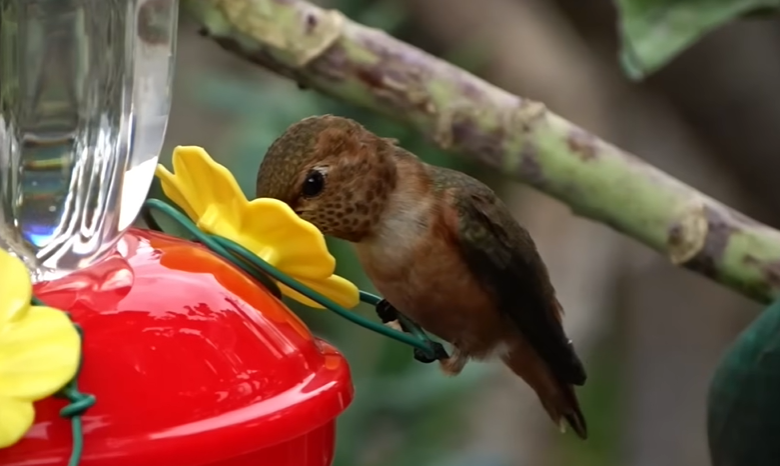
Hummingbirds Follow Daily Feeding Routes
Many hummingbirds follow a regular feeding pattern. They visit certain flowers, trees, and feeders in the same order each day.
I have noticed this in my yard many times. A hummingbird will visit the feeder, then fly to nearby flowers, then return a short time later.
This is one reason it is important to keep the nectar fresh. When the feeder becomes part of their feeding route, they expect it to have food.
They Are Very Territorial
Another behavior that becomes obvious around feeders is how protective hummingbirds can be.
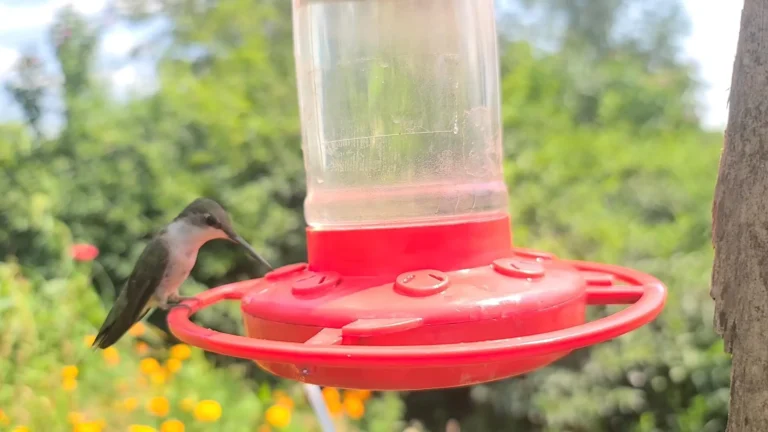
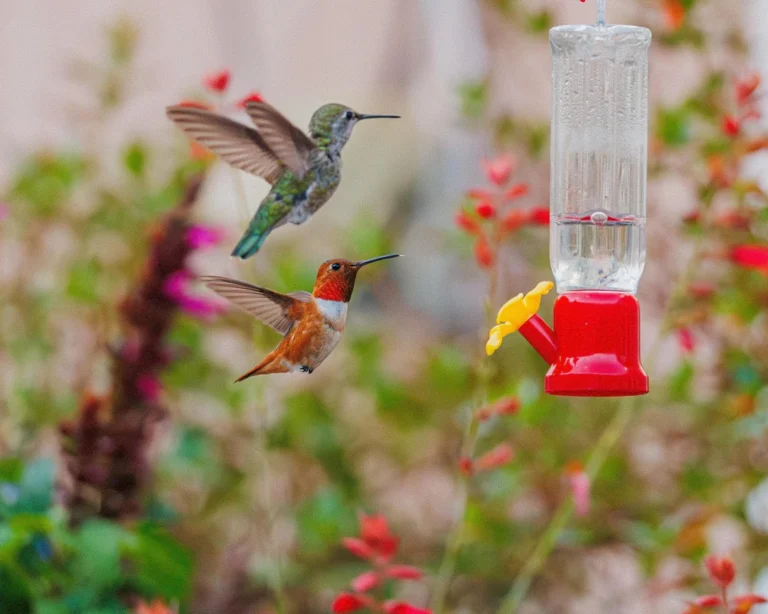
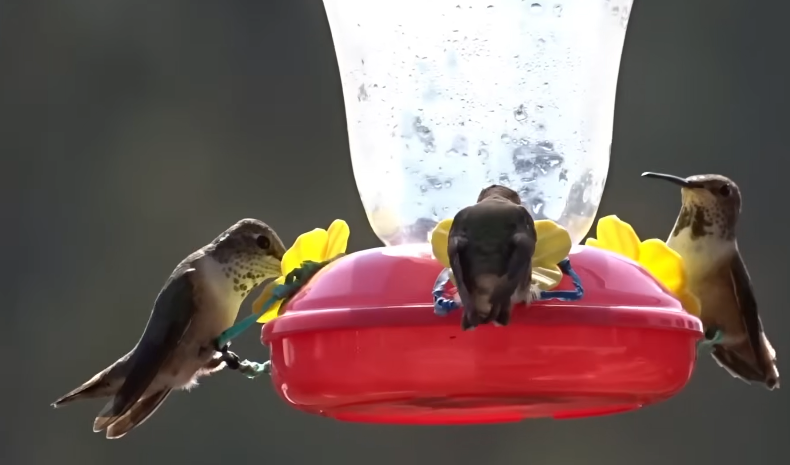
Sometimes one hummingbird will sit on a nearby branch and guard the feeder. When another hummingbird tries to drink, the first bird may chase it away.
This can look aggressive, but it is normal behavior. In nature, they also protect good nectar sources from other hummingbirds.
Feeders Help During Migration
Feeders can be especially helpful during migration seasons in the United States.
During spring and fall, hummingbirds travel long distances. They need frequent energy stops along the way.
A feeder filled with fresh nectar can become an important stop for these traveling birds. I often see more hummingbirds at my feeder during migration than at any other time of year.
Watching them refuel before continuing their journey is one of the most amazing parts of keeping a hummingbird feeder.
Common Mistakes People Make
When someone first puts up a hummingbird feeder, a few small mistakes can happen. I made some of these myself when I first started watching hummingbirds in my garden. The good news is that they are easy to fix once you know what hummingbirds actually need.
Using the Wrong Sweetener
One of the biggest mistakes is using the wrong type of sugar.
Some people try honey, brown sugar, or artificial sweeteners. These are not safe for hummingbirds. Honey can grow harmful fungi and bacteria. Brown sugar has extra minerals that hummingbirds cannot process well. Artificial sweeteners give no energy at all.
The safest option is plain white sugar mixed with water.
Adding Red Food Coloring
Another mistake is adding red dye to the nectar.
People often think hummingbirds need red colored nectar. They do not. The red color on the feeder itself is enough to attract them.
I have never used red dye in my feeders, and hummingbirds still find them quickly. Natural, clear nectar is the safest choice.
Letting Nectar Sit Too Long
Fresh nectar is very important. Sugar water can spoil when it sits too long, especially in warm weather.
When nectar spoils, it can grow bacteria or mold. That is harmful for hummingbirds.
From my experience, it is best to replace nectar every two or three days in warm weather. In cooler weather, it can last a little longer.
Not Cleaning the Feeder
Many beginners refill a feeder without washing it.
Over time, sticky sugar can build up inside the feeder ports. Mold can grow in small areas that are hard to see.
Helpful Tips From a Hummingbird Watcher
After spending many mornings and evenings watching hummingbirds around my feeders, I have learned a few things that help attract them and keep them coming back.
Place the Feeder Where It Is Easy to See
Hummingbirds notice feeders faster when they are in open areas.
I like to hang feeders where they are visible from the air but still near plants or trees. Hummingbirds often perch nearby before flying in to drink.
If a feeder is hidden deep in bushes, it may take longer for hummingbirds to discover it.
Keep Feeders Near Flowers
Hummingbirds love natural nectar from flowers. When feeders are placed near blooming plants, birds often find them sooner.
In my yard, I hang feeders near flower beds where hummingbirds already visit.
They usually move between the flowers and the feeder during the day.
Use Multiple Feeders if Needed
Sometimes one hummingbird becomes very protective of a feeder.
I have watched a single bird chase others away all afternoon. When that happens, adding another feeder in a different part of the yard helps.
This gives more birds a chance to drink.
Keep the Nectar Fresh
Fresh nectar makes a big difference.
Whenever hummingbirds find a feeder that always has clean nectar, they remember it. Over time, they begin to visit many times every day.
I often see the same hummingbirds returning from sunrise until evening.
Be Patient
Sometimes it takes a little time for hummingbirds to discover a new feeder.
The first bird might appear after a few days or even a couple of weeks. Once one hummingbird finds it, others often follow.
Frequently Asked Questions
What do I put in my hummingbird feeder?
The best food is a simple nectar made from white sugar and water. Mix one part sugar with four parts water. This mixture closely matches the nectar hummingbirds drink from flowers.
Do hummingbirds need red nectar?
No. Hummingbirds are attracted to the red parts of the feeder itself. The nectar should stay clear. Red dye is not needed and should be avoided.
Can I use honey instead of sugar?
No. Honey can grow harmful bacteria and fungi when mixed with water. This can make hummingbirds sick. Plain white sugar is the safest option.
How often should I change the nectar?
In warm weather, it is best to replace the nectar every two or three days. In cooler weather, it can last four or five days. Clean the feeder each time you refill it.
Why are hummingbirds not visiting my feeder?
Sometimes it takes time for hummingbirds to discover a new feeder. Placing it near flowers and keeping the nectar fresh helps attract them faster.
Conclusion
If you have ever asked yourself what do I put in my hummingbird feeder, the answer is simple and natural.
Hummingbirds do best with a basic nectar made from white sugar and water. This mixture provides the quick energy they need for their fast flying lifestyle.
Keeping the nectar fresh, cleaning the feeder often, and placing it where hummingbirds can easily find it will make a big difference.
From my own experience watching hummingbirds in the garden, a well-maintained feeder quickly becomes part of their daily routine. Once they trust that your feeder has fresh nectar, they will return again and again.
Watching these tiny birds hover, sip nectar, and dart through the air never gets old. A simple feeder filled the right way can bring that amazing experience right into your own yard.

Sheri L. Williamson is a naturalist and hummingbird researcher. She studies hummingbirds and works to protect them. She is also the author of A Field Guide to Hummingbirds of North America in the Peterson Field Guide Series.