Do Hummingbirds Know People | Recognition & Behavior
Many people who keep hummingbird feeders ask the same question after watching these tiny birds for a while. Do hummingbirds know people?
After years of watching hummingbirds in my garden, I can say something interesting. These birds may be small, but they are very aware of what happens around them. They notice movement, sound, and even routine.
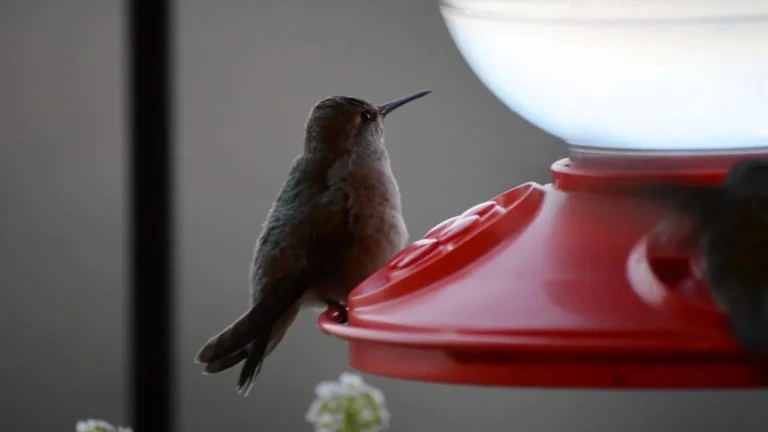
I often sit near my feeders early in the morning with a cup of coffee. At first, the hummingbirds stayed far away. They would hover near the feeder but quickly fly off if I moved. After a few weeks, something changed. The same birds began coming closer even while I was sitting nearby.
That is when many people begin to wonder if hummingbirds recognize the person who fills the feeder.
The truth is a little more complex. Hummingbirds do not think about people the same way humans do. But they are very good at learning patterns. They remember safe places, food sources, and anything that becomes part of their daily routine.
Because of this ability, it often feels like hummingbirds know people. When you regularly provide food and stay calm around them, they begin to accept your presence.
Over time, they may even fly very close to you while feeding. Some hummingbirds will hover in front of a person as if they are checking who is standing near their feeder.
Main Explanation
Many people ask me again and again, ” Do hummingbirds know people? The answer becomes clearer when you spend a lot of time watching them in the same place.
Hummingbirds have excellent memory. Even though they are tiny birds, their brains are very good at remembering locations and routines. A hummingbird can remember where it found nectar before. It can also remember which flowers refill with nectar during the day.
Because of this strong memory, hummingbirds quickly learn where feeders are located. If you refill a feeder often, the birds will return again and again. After a while, they also become familiar with the person who takes care of that feeder.
In my own garden, I noticed this after the first few weeks of setting up feeders. At the beginning, every hummingbird stayed far away if I walked outside. They would hide in nearby trees and wait until I left.
But after seeing me refill the feeder many times, their behavior slowly changed. Some birds would sit on a nearby branch and watch while I cleaned the feeder. Others would hover nearby as if they were checking when the fresh nectar would be ready.
This behavior shows how well hummingbirds learn patterns.
They begin to associate a person with food and safety. If you move slowly and never try to chase them, they start to accept your presence.
That is why many hummingbird keepers feel like the birds know them personally. In reality, the birds are learning that the person near the feeder is not a threat and may even be the one who provides food.
Another interesting thing I have observed is how quickly hummingbirds recognize routines. If I refill the feeder at the same time each morning, some hummingbirds arrive just before I do. They often wait on a branch nearby.
It almost looks like they are expecting me.
Hummingbirds are also very territorial. A dominant bird often guards a feeder and chases other hummingbirds away. That same bird usually watches everything happening near the feeder, including the person who fills it.
Over time, that hummingbird becomes very comfortable flying close to the person it sees every day.
So when people ask whether hummingbirds know people, the most accurate answer is this. They recognize patterns and remember the humans who are part of their feeding routine.
Important Hummingbird Facts Related to This Topic
When people ask whether hummingbirds know people, it helps to understand a few important facts about how these birds think and behave. Watching them closely in a garden teaches you a lot about their habits.
Hummingbirds Have Excellent Memory
One thing that always amazes me is how strong a hummingbird’s memory is. These birds remember where they find food. They can visit hundreds of flowers in a day and still remember which ones they have already checked.
In my yard, a hummingbird will often fly straight to the feeder without even slowing down. It already knows where the nectar is located.
They also remember when feeders are empty. If a feeder runs dry, the birds may check it again later in the day to see if it has been refilled.
This ability to remember food sources is one reason hummingbirds seem to recognize people.
Hummingbirds Learn Daily Routines
Hummingbirds quickly learn patterns. If you refill a feeder at the same time each day, they begin to expect it.
I usually refill my feeders in the early morning. After a few weeks, some hummingbirds started arriving just before I came outside. They sit quietly on nearby branches and watch.
It almost feels like they know the person bringing fresh nectar.
They are really responding to routine and experience.
Hummingbirds Are Naturally Curious
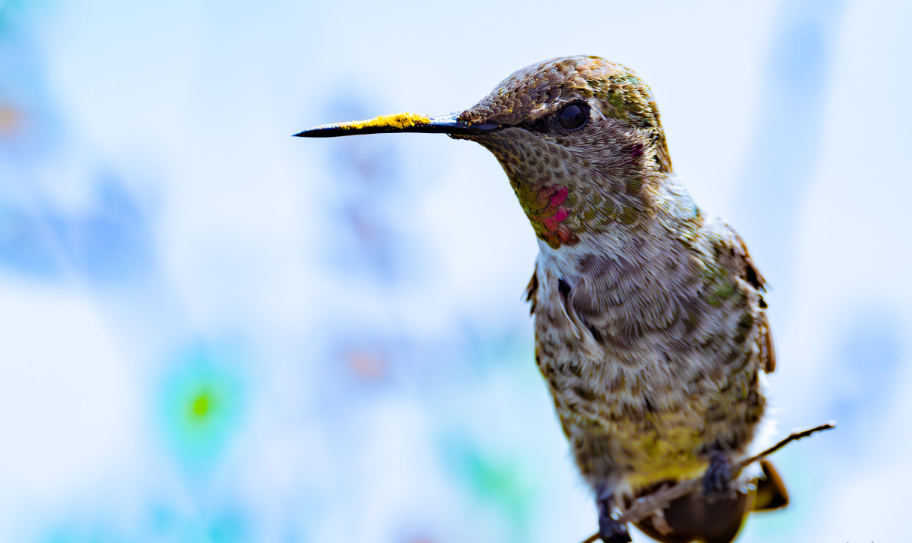
Hummingbirds are very curious birds. They investigate anything new in their territory.
Sometimes a hummingbird will hover right in front of my face for a few seconds. It looks like the bird is studying me. This usually happens when I stand very still near the feeder.
That curiosity is part of their survival behavior. They are always checking what is happening around them.
Hummingbirds Remember Safe Spaces
Another thing I often notice is how hummingbirds learn which places are safe.
If you move slowly and stay calm around the feeder, they begin to trust the area. Over time, they will fly closer to you without fear.
But if someone suddenly runs toward the feeder or waves their arms, the birds disappear instantly. It can take a long time for them to feel safe again.
That is why experienced hummingbird watchers try to keep a peaceful environment around feeders.
Some Hummingbirds Become Very Bold
Not all hummingbirds behave the same way. Some birds are more confident than others.
In my garden, there is usually one dominant hummingbird guarding the feeder. This bird often becomes the most comfortable around people. It spends so much time watching the feeder that it also gets used to the person nearby.
Sometimes that bird will even hover only a few feet away from me while drinking nectar.
Moments like that make many people believe hummingbirds know people personally.
The truth is that these birds are learning through experience. Their strong memory, curiosity, and daily routines help them recognize the humans who are part of their feeding environment.
Common Mistakes People Make
Many beginners become excited when they notice hummingbirds visiting their yard. After a while,e they start wondering whether hummingbirds know people. That curiosity is natural. But I often see a few common mistakes that can make hummingbirds nervous around humans.
Moving Too Quickly Near Feeders
Hummingbirds are very alert birds. Their survival depends on reacting quickly to danger.
If you walk quickly toward a feeder or wave your arms, the birds will fly away instantly. Even a hummingbird that visits every day can become cautious again if it feels threatened.
When I work near my feeders, I always move slowly and calmly. The birds notice this and usually stay nearby.
Standing Too Close Too Soon
Some people want to see hummingbirds up close right away. They place a chair directly next to the feeder on the first day.
This often scares the birds away.
It is better to give hummingbirds time to adjust. Let them use the feeder for several days before sitting close to it. y,y they become comfortable with your presence.
Patience always works better with hummingbirds.
Refilling Feeders Inconsistently
Hummingbirds rely on steady food sources. If a feeder is full one day and empty the next, they may stop visiting.
I try to check my feeders every day. When hummingbirds learn that nectar is always available, they return often. This routine also helps them become familiar with the person maintaining the feeder.
Using Bright Clothes That Move Too Much
Bright colors can attract hummingbirds, but sudden movement can scare them.
If clothing is loose and moves in the wind, hummingbirds may stay away at first. Calm movement and stillness help them feel safe.
Sometimes I wear red or orange shirts while sitting near the feeder. If I stay still, hummingbirds will often come surprisingly close.
Trying to Touch the Birds
This is one of the biggest mistakes beginners make.
Hummingbirds are wild animals. They should never be grabbed or touched. Even if they seem comfortable around people, they need space.
The best experience comes from quietly observing them.
When you sit still and watch their natural behavior, you learn much more about these amazing birds.
Helpful Tips from a Hummingbird Watcher
After many seasons of watching hummingbirds in my garden, I have learned a few simple habits that help them feel comfortable around people.
Spend Quiet Time Near the Feeder
The more time you calmly sit near a feeder, the more hummingbirds get used to you.
At first, they may stay far away. After several days, they start feeding while you are n. Eventually,y they may hover only a few feet away.
I often sit quietly in the morning. That is when hummingbirds are most active.
Keep Feeders Clean and Fresh
Clean feeders attract more hummingbirds and keep them healthy.
I rinse my feeders often and replace the nectar regularly. Fresh nectar encourages birds to return again and again.
When hummingbirds depend on your feeder, they quickly learn your routine.
Plant Natural Nectar Flowers
Feeders are helpful, but hummingbirds also love natural flowers.
Plants like bee balm, trumpet vine, salvia, and cardinal flower bring hummingbirds into the garden. When natural flowers grow near feeders, birds spend more time in the area.
This gives you many chances to observe them.
Stay Calm and Patient
Hummingbirds trust slowly. But once they feel safe, they can become surprisingly bold.
I have had hummingbirds hover in front of me while I was sitting still. Sometimes they pause only a few feet away before flying to the feeder.
Moments like this make hummingbird watching very rewarding.
Frequently Asked Questions
Do hummingbirds recognize the person who feeds them?
Hummingbirds can remember routines and locations. If the same person fills the feeder regularly, the birds may associate that person with food and safety. This can make it seem like they recognize the individual.
Why do hummingbirds hover in front of people?
Sometimes a hummingbird will hover in front of a person out of curiosity. The bird may be observing movement or checking if the area is safe. This behavior is common when hummingbirds are used to people near feeders.
Can hummingbirds become friendly with humans?
Hummingbirds remain wild birds, but they can become comfortable around calm humans. When people move slowly and maintain feeders regularly, hummingbirds may feed very close to them.
How long does it take for hummingbirds to trust people?
This depends on the bird and the environment. Some hummingbirds become comfortable within a few days. Others may take several weeks before feeding while a person is nearby.
Do hummingbirds watch people?
Yes, they often do. Hummingbirds are very observant. They watch their territory closely, including feeders and nearby movement. A bird guarding a feeder may keep an eye on anyone who comes close.
Conclusion
So do hummingbirds know people?
From my experience watching them in the garden, hummingbirds clearly remember routines and places where they find food. They notice the person who fills the feeder and often become comfortable around that person over time.
Their strong memory, curiosity, and territorial behavior help them learn what is safe in their environment.
Hummingbirds may not recognize people the same way humans recognize each other. But they definitely learn which humans are part of their daily feeding routine.
If you spend quiet time near your feeder, move calmly, and keep nectar fresh, hummingbirds may begin flying closer than you ever expected.
Watching that tiny bird hover in the sunlight just a few feet away is one of the most special moments a hummingbird watcher can experience.

Sheri L. Williamson is a naturalist and hummingbird researcher. She studies hummingbirds and works to protect them. She is also the author of A Field Guide to Hummingbirds of North America in the Peterson Field Guide Series.