Hummingbird Facts | Amazing, Fun & Surprising Insights
I spend a lot of time watching hummingbirds in my garden. Some mornings, I sit quietly near the feeders with a cup of coffee and just observe them. These tiny birds move so fast that people often miss the little details of their behavior. The more you watch them, the more interesting they become.
Many people search for hummingbird facts because these birds seem almost magical. They hover in the air, move from flower to flower, and sometimes zip past you like tiny flying jewels. But when you watch them closely day after day, you start to understand their habits and personality.
One thing I learned early is that hummingbirds are much smarter and more organized than people expect. They remember where good food sources are. They defend their favorite feeders. They even follow daily routines that repeat almost like clockwork.
When a hummingbird finds a reliable feeder in a yard, it often returns again and again. I have watched the same bird visit the same spot many times each day. It will land on a nearby branch, look around, then fly straight to the feeder for a quick drink.
Learning simple hummingbird facts helps people understand why these birds behave the way they do. Once you understand their needs, it becomes much easier to attract them and keep them healthy.
Another reason people love hummingbirds is their personality. Even though they are tiny, they are bold and fearless. I often see one hummingbird chase away another bird that is much bigger. They guard their favorite feeding spots very seriously.
Watching hummingbirds is also one of the easiest ways to enjoy wildlife at home. You do not need a large yard or a forest nearby. A simple feeder and a few flowers can bring these birds close enough to watch every day.
Over time, you begin to notice small details. You see how they hover in front of flowers. You notice how their wings hum like a tiny motor. You watch them pause on a branch to rest between feeding trips.
These everyday observations reveal many fascinating hummingbird facts that people rarely notice at first.
Once someone starts paying attention to hummingbirds, it becomes a habit. Many people end up placing more feeders, planting more flowers, and spending more time outside just to watch them.
Main Explanation of the Topic
When people first start learning about hummingbirds, they are often surprised by how unique these birds really are. Many of the most interesting hummingbird facts come from simply watching how they live day to day.
One of the first things you notice is how much energy hummingbirds use. These birds are constantly moving. They fly from flower to flower, hover in the air, and chase away other hummingbirds that come too close to their food.
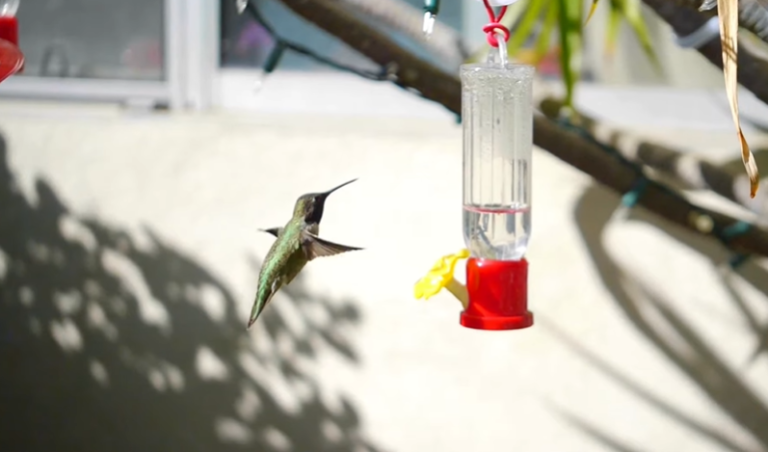
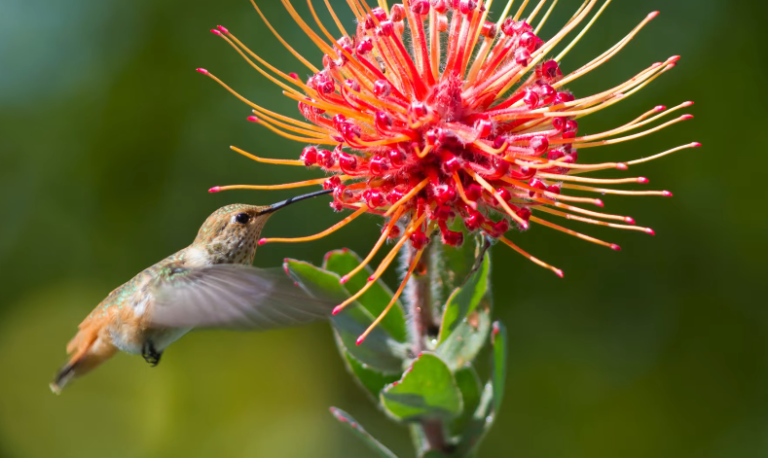
Their wings move extremely fast. When a hummingbird hovers near a feeder, the wings beat so quickly that they look like a blur. The sound you hear is where the name hummingbird comes from. The wings create a soft humming sound while they fly.
Because of this constant movement, hummingbirds need a lot of energy every day. Nectar from flowers is their main fuel. The sugar inside nectar gives them the quick energy they need to keep flying.
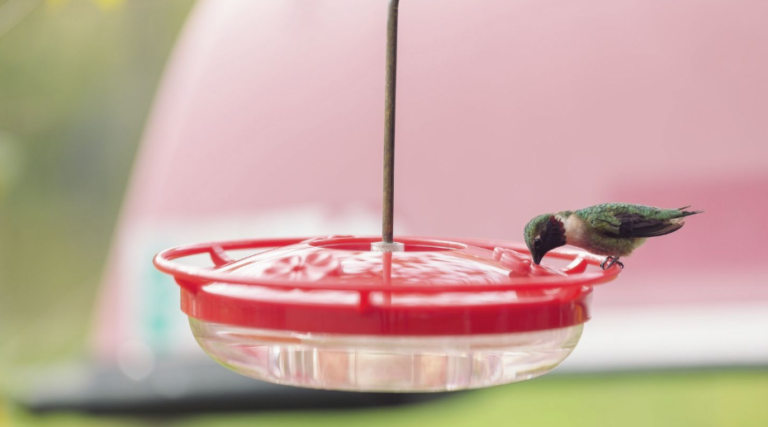
When I sit near my garden feeders, I often see the birds come back again and again. A hummingbird might visit the same feeder many times in a single hour. Each visit is usually very short. The bird takes a few sips and then flies away to rest on a nearby branch.
This pattern repeats all day long. Feed, rest, feed, rest. Watching this routine helps explain many important hummingbird facts about how they survive.
Another interesting thing about hummingbirds is how well they remember food sources. If you place a feeder in your yard and keep it filled with fresh nectar, hummingbirds quickly learn where it is.
After a few days, you may notice the same bird returning at similar times each day. I often see a hummingbird arrive early in the morning, right after sunrise. It checks the feeder almost like it knows breakfast is waiting.
Hummingbirds are also very protective of their feeding spots. One bird will sometimes claim a feeder and try to chase away other hummingbirds. I see this often in my yard.
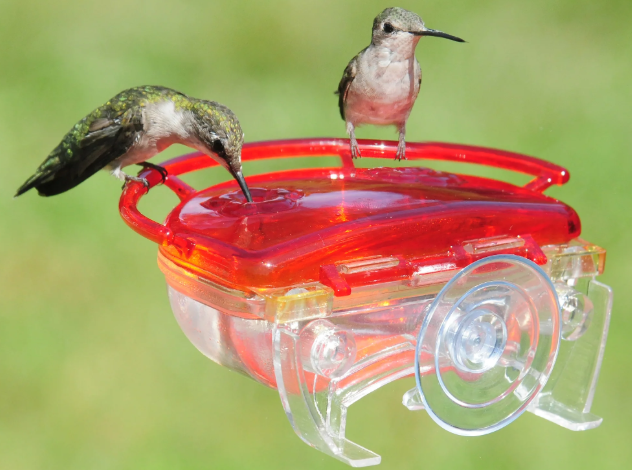
The bird sits on a nearby branch and watches the feeder closely. If another hummingbird tries to drink, the first bird quickly flies over and chases it away. The chase only lasts a few seconds, but it shows how seriously hummingbirds take their food supply.
Flowers are just as important as feeders. In many gardens, I have watched hummingbirds spend more time visiting flowers than feeders. Bright colored flowers attract them naturally because they produce nectar.
Red flowers are especially popular with hummingbirds. When I planted red salvia and bee balm in my garden, I started seeing more hummingbirds visit every day.
Understanding these everyday behaviors helps people learn the most useful hummingbird facts. These birds may be small, but their lives are full of activity, competition, and constant searching for energy.
Important Hummingbird Facts Related to This Topic
After watching hummingbirds for many seasons, I started noticing small details that many people miss. These little observations reveal some of the most interesting hummingbird facts. When you spend time near feeders or flowers, you begin to see patterns in how these birds live.
Hummingbirds Need a Huge Amount of Energy
One of the most surprising hummingbird facts is how much energy these tiny birds use every day. Even though they are very small, their bodies work extremely hard.
A hummingbird’s heart beats incredibly fast. Their wings move so quickly that the human eye can barely see them clearly. All of this movement requires a constant supply of energy.
That is why hummingbirds spend so much time feeding. When I watch them in my garden, I notice that they rarely stay still for long. They drink nectar, rest for a moment, and then return for more.
If feeders are empty, the birds will search nearby flowers instead. This constant search for nectar is simply how they stay alive.
Hummingbirds Can Hover in One Spot
One of the most amazing hummingbird facts is their ability to hover in the air. Very few birds can do this.
Hummingbirds can stay in one place while flying. They can move forward, backward, up, or down without landing. Their wings move in a special pattern that allows this type of flight.
I often watch a hummingbird hover in front of a flower for several seconds while drinking nectar. It looks almost like the bird is floating in the air.
Sometimes they even hover right in front of people. If you stand still near a feeder, a hummingbird may briefly hover nearby and look at you.
Hummingbirds Remember Good Food Sources
Another interesting behavior that many people notice is how well hummingbirds remember food locations.
One of the most reliable hummingbird facts is that these birds quickly learn where good nectar sources are. Once they find a feeder that stays full, they return to it again and again.
I have seen the same hummingbird visit the same feeder many times each day. It often approaches from the same direction and lands on the same nearby branch before drinking.
This strong memory helps hummingbirds save energy because they do not have to search for food every time they get hungry.
Hummingbirds Also Eat Small Insects
Many people think hummingbirds only drink nectar. But one of the lesser-known hummingbird facts is that they also eat tiny insects.
Insects provide the protein that hummingbirds need for healthy growth. They often catch small flying insects in mid-air.
I sometimes see hummingbirds flying in short, quick loops near plants. They often catch tiny insects during these flights.
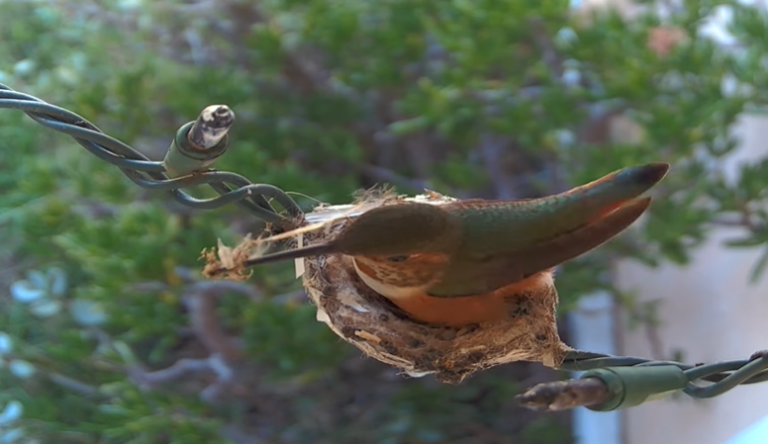
Spiders and small insects are especially important for young hummingbirds growing in nests.
Hummingbirds Are Very Territorial
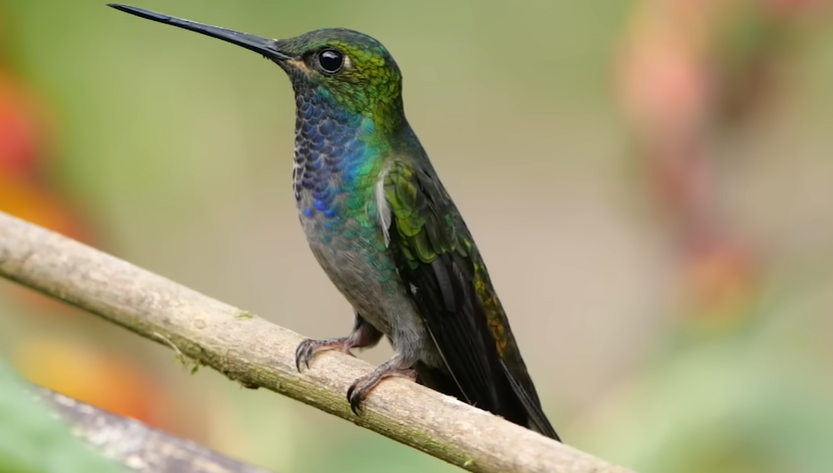
Despite their small size, hummingbirds can be surprisingly aggressive when defending food.
One hummingbird may try to guard a feeder or a group of flowers. When another hummingbird gets too close, a fast chase usually begins.
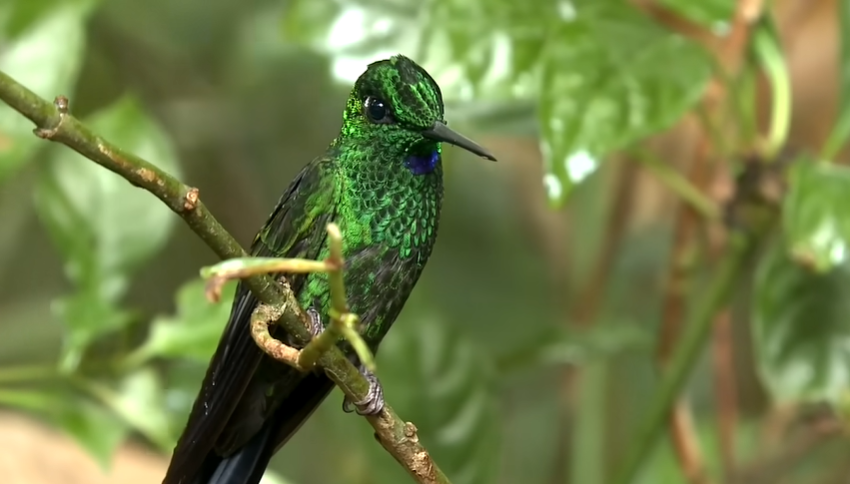
I see this behavior almost every day during the warmer months. One bird sits quietly on a branch near the feeder and watches everything carefully.
As soon as another hummingbird approaches, the guarding bird flies out and chases it away. The chase usually lasts only a few seconds, but it happens many times throughout the day.
Watching these interactions teaches some of the most fascinating hummingbird facts about their personalities. These birds may be tiny, but they are bold, energetic, and always busy.
Common Mistakes People Make
After talking with many people who want to attract hummingbirds, I often notice the same mistakes again and again. Many beginners learn hummingbird facts online but still miss a few small details that make a big difference.
These mistakes are easy to fix once you understand how hummingbirds behave.
Using the Wrong Nectar Recipe
One of the most common mistakes is using the wrong nectar mixture. Hummingbirds need a very simple recipe.
The best nectar is made with plain white sugar and clean water. Nothing else is needed.
Some people try to add honey, brown sugar, or other sweeteners. These ingredients can actually harm hummingbirds.
From my experience watching birds in my yard, they always prefer the simple sugar water mixture. When the nectar is fresh and clean, the birds visit the feeder much more often.
Adding Red Food Coloring
Another mistake I see quite often is adding red food coloring to hummingbird nectar.
Many store-bought products used to recommend this, but it is not necessary at all. The red color on the feeder itself is enough to attract hummingbirds.
In my own garden, I have never used any food coloring. The birds find the feeders easily because of the bright feeder parts and nearby flowers.
Keeping the nectar natural is always the safest choice.
Leaving Nectar in the Feeder Too Long
Fresh nectar is very important for hummingbirds. When nectar sits in the feeder too long, it can spoil.
Warm weather makes this happen faster. In hot summer temperatures, the nectar may need to be replaced every couple of days.
I always notice that hummingbirds visit feeders more often when the nectar is fresh. When the feeder is old or dirty, the birds sometimes avoid it.
Cleaning feeders regularly keeps the birds healthy and encourages them to keep visiting.
Placing Feeders in Unsafe Locations
Some people place feeders in open areas where hummingbirds feel exposed.
From what I have seen, hummingbirds prefer feeders that are close to trees or shrubs. These plants give them a safe place to rest between feeding trips.
In my yard, I placed feeders where nearby branches allow the birds to sit and watch the feeder. They often rest there before flying in to drink.
A small change in feeder location can make a big difference.
Helpful Tips from a Hummingbird Watcher
Over the years, I have picked up a few habits that help attract more hummingbirds. These tips come directly from watching how the birds behave in real gardens.
Keep Feeders Clean
Clean feeders are one of the most important parts of hummingbird care.
I rinse my feeders often and wash them well before adding new nectar. Clean feeders keep the nectar fresh and safe.
Whenever I clean the feeder and refill it, the hummingbirds usually return quickly.
Provide Several Feeders
If many hummingbirds visit your yard, adding more than one feeder can help reduce fighting.
Because hummingbirds are territorial, one bird may try to guard a single feeder. When several feeders are available, other birds can still drink.
I placed feeders in different parts of the yard and noticed that more birds began visiting.
Plant Nectar Rich Flowers
Feeders help a lot, but flowers make a yard even better for hummingbirds.
Bright flowers that produce nectar attract hummingbirds naturally. I have had great success with flowers like bee balm, trumpet vine, and salvia.
When these plants bloom, hummingbirds visit them throughout the day.
Watch Their Daily Routine
One of the most enjoyable things about hummingbirds is learning their routine.
When you observe them regularly, you start to notice patterns. Some birds arrive early in the morning. Others appear later in the afternoon.
I often see hummingbirds feeding heavily before sunset. It seems like they are storing energy for the night.
Watching these patterns is one of the best ways to truly understand hummingbird facts.
Frequently Asked Questions
How fast do hummingbirds flap their wings?
Hummingbird wings move extremely fast. Most hummingbirds beat their wings about fifty times each second during normal flight. When they hover or chase another bird, the speed can be even faster.
This rapid wing movement is what creates the humming sound people hear.
How much do hummingbirds eat each day?
Hummingbirds eat small amounts many times throughout the day. Because their bodies burn energy quickly, they must feed often.
They may visit feeders or flowers dozens of times in a single day.
How do hummingbirds find feeders?
Hummingbirds are very good at spotting bright colors. Red is especially attractive to them.
Once a hummingbird finds a feeder, it usually remembers the location and returns regularly.
Do hummingbirds sleep at night?
Yes, hummingbirds rest at night. During this time, their bodies slow down, and they conserve energy.
They often sleep on small branches where they feel safe.
Can hummingbirds recognize people?
From my experience watching them closely, hummingbirds become familiar with regular activity around feeders.
They may not recognize people in the same way pets do, but they definitely become comfortable when they see the same person caring for the feeders.
Conclusion
Learning about hummingbird facts becomes much more interesting when you watch these birds in real life. Their tiny size hides an incredible amount of energy, intelligence, and personality.
Hummingbirds hover like tiny helicopters, remember reliable food sources, and fiercely protect their feeding spots. They spend much of their day searching for nectar and resting between quick feeding trips.
For anyone who wants to enjoy hummingbirds at home, the basics are simple. Provide fresh nectar, keep feeders clean, and plant flowers that produce nectar.
Over time, the birds begin to return again and again.
Once hummingbirds discover a safe and reliable food source, they often make it part of their daily routine. Watching them become regular visitors is one of the most rewarding parts of keeping a hummingbird-friendly garden.

Sheri L. Williamson is a naturalist and hummingbird researcher. She studies hummingbirds and works to protect them. She is also the author of A Field Guide to Hummingbirds of North America in the Peterson Field Guide Series.