Rarest Hummingbird in the World | Endangered & Unique Species
I spend a lot of time watching hummingbirds in gardens and quiet natural areas. If you sit still long enough near flowers or a feeder, you begin to notice how different each hummingbird can be. Some are common and visit every day. Others are so rare that bird watchers may wait years before seeing one.
Many people ask about the rarest hummingbird in the world. It is a fascinating topic because hummingbirds are already small and hard to spot. When a species becomes extremely rare, seeing one becomes almost like finding a tiny flying treasure.
The bird often called the rarest hummingbird in the world is the Santa Marta Sabrewing. This hummingbird lives in a very small mountain area in Colombia. For many years, people believed it might even be extinct. Only a few sightings have happened in recent decades.
Even though I mostly watch hummingbirds in gardens here in North America, learning about rare species helps us understand how special these birds truly are. Every hummingbird plays a role in nature. When one becomes rare, it reminds us how important it is to protect their habitats.
When you spend time observing hummingbirds, you start to see how sensitive they are to changes in their environment. A small loss of flowers or trees can make a big difference for them. That is one reason some species become so rare.
Main Explanation of the Topic
When people talk about the rarest hummingbird in the world, the bird that often comes up is the Santa Marta Sabrewing. This hummingbird lives in the mountains of northern Colombia in South America. It is found in a place called the Sierra Nevada de Santa Marta.
What makes this hummingbird so rare is how small its habitat is. It only lives in a very limited mountain forest area. If that habitat changes or disappears, the bird has almost nowhere else to go.
For many years,s scientists could not find this hummingbird at all. Some people believed it had disappeared forever. Then a few sightings happened again in the early 2000s. Those sightings gave researchers hope that the species was still alive.
Bird watchers describe the Santa Marta Sabrewing as a beautiful hummingbird. The male has bright green feathers and a shining throat. Like many hummingbirds, its feathers can look different depending on the sunlight.
Even though it is rare, its behavior is similar to that of o other hummingbirds I observe in gardens. It spends most of the day visiting flowers and feeding on nectar. Hummingbirds burn energy very fast, so they must eat often. When I watch hummingbirds near my feeders, they may visit every few minutes. Rare species behave the same way in the wild.
Another reason this bird is difficult to see is where it lives. Mountain cloud forests are thick with plants and trees. Hummingbirds move very quickly and quietly through these areas. Even experienced bird watchers can miss them.
Habitat loss is one of the biggest reasons this hummingbird became so rare. Forest areas have been cleared in some places for farming and development. When the natural forest disappears, the flowers that hummingbirds depend on also disappear.
Many conservation groups are now working to protect the remaining habitat. Protecting these forests helps the Santa Marta Sabrewing and many other birds that live in the same area.
Watching hummingbirds every day has taught me that these birds depend heavily on healthy environments. When there are many flowers, trees, and insects, hummingbirds thrive. When those things disappear, their numbers drop quickly.
The story of the rarest hummingbird in the world shows how fragile nature can be. Even a small bird that flies thousands of miles can struggle to survive if its home disappears.
Important Hummingbird Facts Related to This Topic
When people learn about the rarest hummingbird in the world, they often wonder what makes this hummingbird species so rare. From spending many hours watching hummingbirds, I have learned that these tiny birds depend heavily on their environment.
Hummingbirds are very small, but their needs are very specific. If flowers disappear or forests change, their survival becomes difficult.
Hummingbirds Need a Lot of Energy
Hummingbirds burn energy faster than almost any other bird. Their wings beat extremely fast while hovering in front of flowers.
When I watch hummingbirds in a garden, they rarely stay still for long. They move from flower to flower and return to feeders again and again during the day.
Because of this high-energy lifestyle, hummingbirds must eat often. If a habitat loses nectar-producing flowers, the birds may struggle to find enough food.
For rare species like the Santa Marta Sabrewing, this problem becomes even more serious because they live in such a small area.
Many Rare Hummingbirds Live in Small Regions
Some hummingbirds live across large parts of North America. Others live only in one small region of the world.
The rarest hummingbird in the world lives in a very limited mountain forest area. When a species only exists in one place, it becomes very vulnerable.
A storm, wildfire, or habitat change can affect a large portion of the population at once.
Hummingbirds Depend on Healthy Forests
Most hummingbirds rely on natural forests and wild flowering plants. These areas provide nectar, insects, and safe nesting spots.
While watching hummingbirds in natural areas, I often notice that they prefer places with thick plants and many flowers. These environments give them food and protection.
When forests are cleared or replaced by buildings or farmland, hummingbirds lose the plants they rely on.
Hummingbirds Also Eat Insects
Many beginners think hummingbirds only drink nectar. That is not completely true.
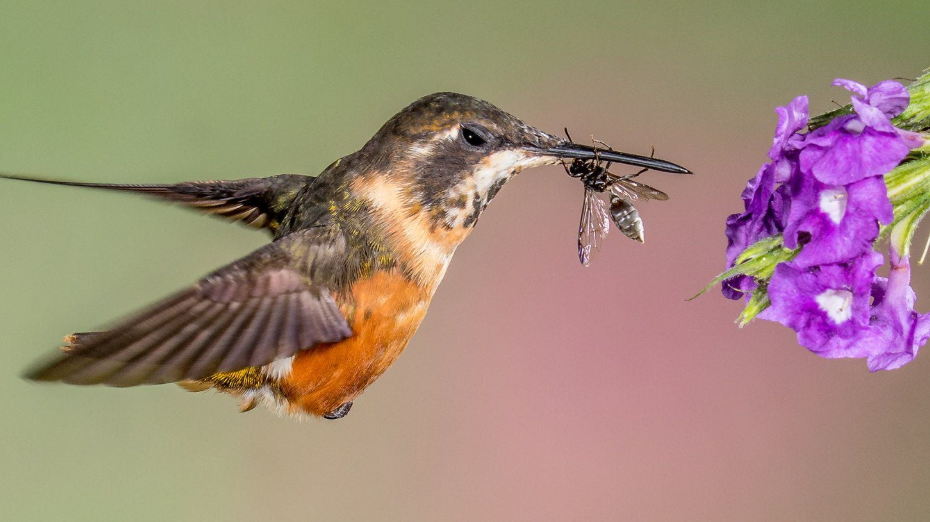
Hummingbirds also eat tiny insects and spiders. These insects provide important protein that helps them grow and raise chicks.
When natural habitats disappear, insect populations can drop as well. This removes another food source for hummingbirds.
Rare Birds Are Often Very Hard to Spot
Even common hummingbirds can be difficult to see. They are small and move very quickly.
Rare species are even harder to observe. They may live in remote forests where few people travel.
Sometimes, bird researchers spend many days searching before spotting a hummingbird. Even experienced bird watchers celebrate when they finally see one.
Spending time quietly watching hummingbirds has taught me that patience is very important. Sometimes the smallest bird can stay hidden right in front of you.
Common Mistakes People Make
When people hear about the rarest hummingbird in the world, they often become very excited and curious. That curiosity is great because it helps more people care about birds. But I have noticed that beginners sometimes misunderstand how rare hummingbirds live and behave.
Watching hummingbirds for years has taught me that small mistakes in thinking can lead to confusion about these amazing birds.
Thinking Rare Hummingbirds Visit Feeders
Many people believe that rare hummingbirds will show up at backyard feeders. In mock sessions, see, this is not true.
The rarest hummingbird in the world lives in remote mountain forests. These birds depend mostly on natural flowers. They do not usually visit feeders placed by people.
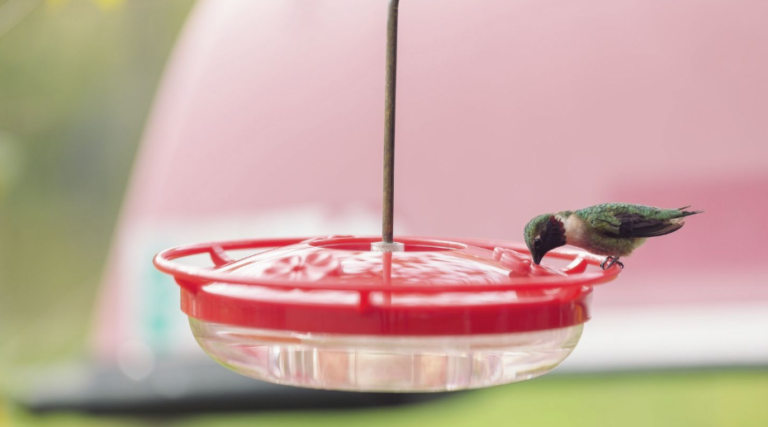
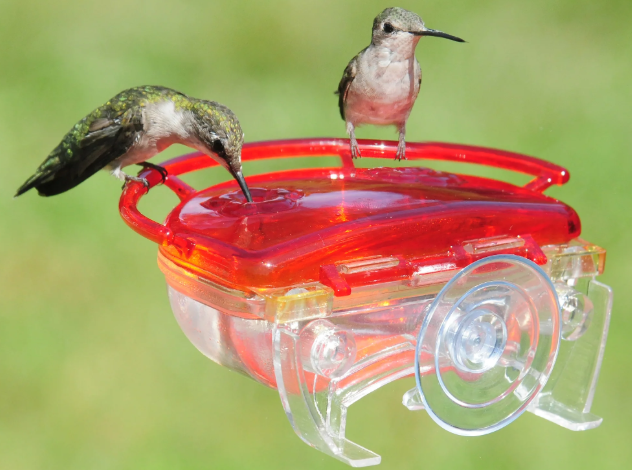
Backyard feeders are wonderful for many North American hummingbirds. However, extremely rare species often live far away from human neighborhoods.
Believing Rare Means Beautiful Colors Only
Some people think a hummingbird becomes rare because of its unusual colors. Color alone does not make a bird rare.
A hummingbird becomes rare when its population becomes very small. This usually happens because of habitat loss, climate change, or environmental problems.
Many rare hummingbirds may look similar to other species, which can make them even harder to identify.
Expecting to See Rare Birds Easily
Another common mistake is expecting rare hummingbirds to appear quickly.
Even when I watch common hummingbirds in gardens, I sometimes wait quietly for long periods before they return. Rare species require even more patience.
Bird watchers often travel long distances and spend days searching before spotting a rare hummingbird.
Forgetting That Habitat Matters Most
One of the biggest mistakes people make is focusing only on the bird itself instead of the habitat.
Hummingbirds depend on flowers, trees, insects, and safe nesting spots. If those things disappear, hummingbirds struggle to survive.
Protecting the environment where hummingbirds live is the best way to help them.
Helpful Tips from a Hummingbird Watcher
Spending time watching hummingbirds has taught me many small lessons. These tips can help beginners understand hummingbirds better and support their survival.
Plant Nectar Rich Flowers
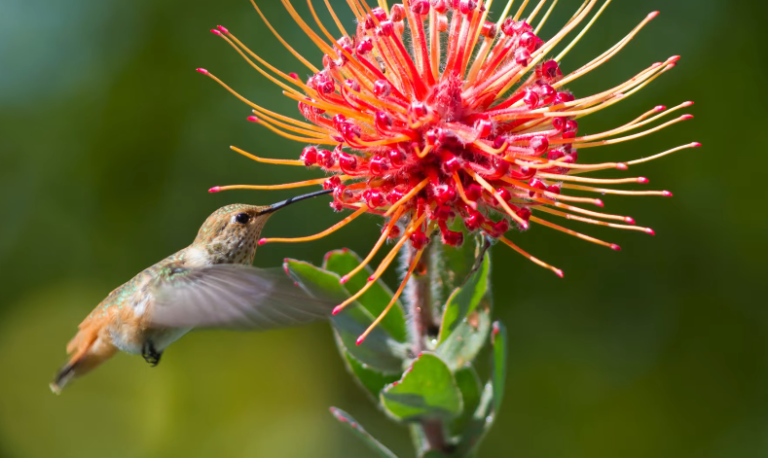
Flowers are the most natural food source for hummingbirds. Native flowering plants attract them more than almost anything else.
Bright red, orange, and pink flowers often catch their attention.
When gardens include many flowering plants, hummingbirds visit more often and stay longer.
Keep Feeders Clean
If you use hummingbird feeders, keeping them clean is very important.
Sugar water can spoil quickly in warm weather. Dirty feeders can harm hummingbirds.
From my experience, cleaning feeders regularly keeps birds healthy and encourages them to return.
Watch Quietly and Be Patient
Hummingbirds can be shy and cautious.
If you move quickly or make loud noises, they may leave the area.
When I watch hummingbirds, I usually sit quietly near flowers or feeders. After a few minutes, they return and continue feeding.
Protect Natural Spaces
Even small gardens can help hummingbirds. Planting flowers, avoiding harmful chemicals, and supporting conservation efforts can protect these birds.
Rare hummingbirds especially need protected forests and natural environments.
Every small effort helps maintain the balance that hummingbirds depend on.
Frequently Asked Questions
What is the rarest hummingbird in the world?
Many experts consider the Santa Marta Sabrewing to be the rarest hummingbird in the world. It lives in a very small mountain region in Colombia and has been seen only a few times in recent decades.
Why are some hummingbirds so rare?
Hummingbirds often become rare because of habitat loss. When forests are cleared or natural flowers disappear, their food sources and nesting areas are lost.
Can rare hummingbirds live in the United States?
Most of the rarest hummingbird species live in Central and South America. The United States has many hummingbirds, but extremely rare species are usually found in remote habitats farther south.
Do rare hummingbirds behave differently from other hummingbirds?
In many ways, they behave the same. They hover near flowers, drink nectar, and eat small insects. The main difference is where they live and how few of them remain.
Can people help protect rare hummingbirds?
Yes. Supporting conservation efforts, protecting forests, and planting nectar-rich flowers can help hummingbirds survive. Protecting habitats benefits both rare and common species.
Conclusion
Learning about the rarest hummingbird in the world reminds us how delicate nature can be. These tiny birds depend on healthy forests, flowering plants, and safe environments.
The Santa Marta Sabrewing shows how a species can almost disappear when its habitat is reduced. At the same time, its rediscovery gives hope that conservation efforts can make a difference.
Watching hummingbirds regularly has shown me how important their environment is. When flowers bloom, and natural areas remain healthy, hummingbirds thrive.
Every garden with flowers and every protected forest helps support these remarkable birds. Even small actions from bird lovers can make a real difference for hummingbirds around the world.

Sheri L. Williamson is a naturalist and hummingbird researcher. She studies hummingbirds and works to protect them. She is also the author of A Field Guide to Hummingbirds of North America in the Peterson Field Guide Series.