
Hummingbird Migration Guide | Routes, Timing & Tips
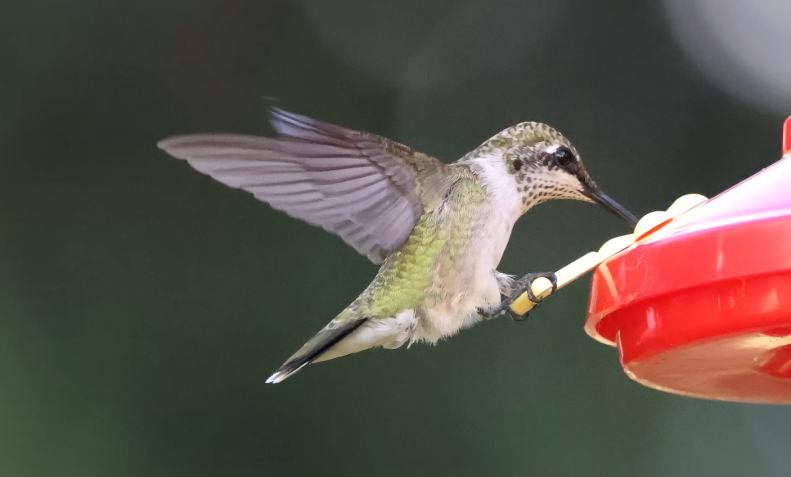
Every year, I look forward to a special moment in the garden. One morning, the yard feels quiet, then suddenly a tiny hummingbird appears near the feeder. It hovers in the air for a few seconds and then drinks deeply. That moment tells me migration season has begun.
Watching these small birds travel such long distances never stops amazing me. Hummingbirds may be tiny, but they are some of the most determined travelers in the bird world. Some of them fly hundreds or even thousands of miles during migration.
A good hummingbird migration guide helps people understand when these birds move, where they go, and how we can support them during their journey. Many bird lovers in the United States enjoy putting out feeders and planting flowers so migrating hummingbirds can rest and refuel.
I spend a lot of time sitting quietly in my yard watching hummingbirds visit the feeder and nearby flowers. During migration season, their behavior changes a little. They eat more often, and sometimes new birds appear that I have never seen before.
Understanding migration makes those visits even more exciting. When you know what these birds are going through, each sighting feels special.
In this hummingbird migration guide, you will learn how hummingbirds travel, why they migrate, and what signs show that migration season has started. You will also learn how simple things in your yard can help these amazing birds during one of the most important journeys of their lives.
Main Explanation of the Topic
Hummingbird migration is one of the most fascinating things to watch if you spend time around feeders and flowering plants. Every year, these tiny birds travel between their breeding areas and their winter homes.
Most hummingbirds that people see in the United States spend the warm months in North America. When the weather starts to cool, and flowers become harder to find, they begin moving south—many travel to Mexico or Central America, where food is easier to find during winter.
One thing that always surprises people is that hummingbirds usually migrate alone. They do not travel in big groups like geese or cranes. Each bird makes the journey by itself. When I sit outside during migration season, I often notice new hummingbirds appearing at the feeder every few days. Those birds are usually passing through on their long trip.
Migration usually starts in late summer or early fall. In many parts of the United States, es this happens between August and October. The exact timing depends on the region and the type of hummingbird.
For example, the Ruby-throated hummingbird is the most common species in the eastern United States. These birds breed across much of the country during spring and summer. When fall arrives, they begin flying south toward Mexico and Central America.
Some of these birds make an incredible flight across the Gulf of Mexico. That journey can be around five hundred miles over open water. They do this without stopping. Because of this long trip, hummingbirds spend a lot of time feeding before migration begins.
I often notice hummingbirds visiting the feeder more frequently in late summer. They seem more focused on feeding and sometimes chase other birds away more aggressively. This happens because they are building fat reserves for the long trip ahead.
In the western United States, species like the Anna hummingbird and the Rufous hummingbird have different migration patterns. Some travel along the Pacific coast while others move through mountain areas following blooming flowers.
Another interesting thing about hummingbird migration is that the birds do not always follow the same route both ways. Their spring route can be slightly different from their fall route. They often follow the path where flowers and insects are easiest to find.
Even though hummingbirds are very small, they have an amazing memory. Many return to the same feeding areas year after year. I have seen hummingbirds return to the same feeder each spring, almost around the same time.
That is why many bird watchers keep their feeders up during migration. A feeder can provide a very important energy source for birds that are tired from traveling.
Migration is not just a long flight. It is a series of stops where hummingbirds rest, feed, and continue moving. Your yard can become one of those important stops along their journey.
Important Hummingbird Facts Related to This Topic
Watching hummingbirds during migration teaches you a lot about how these birds survive such a long journey. Over the years, I have noticed several patterns in their behavior when migration season begins.
Hummingbirds Eat Much More Before Migration
One of the first signs of migration is increased feeding. Hummingbirds begin visiting feeders and flowers more often.
I sometimes see the same bird return every few minutes during late summer. At first, I thought something was wrong with the feeder. Later, I realized the bird was preparing for migration.
Hummingbirds build fat reserves before traveling. That stored fat gives them the energy they need for long flights.
Even though a hummingbird looks tiny, its body is designed for intense activity. Their wings beat very fast, and they burn a lot of energy every day. Migration requires even more energy, so feeding becomes very important.
Many Birds Passing Through Are New Visitors
During migration, I often see hummingbirds that do not stay long.
They appear at the feeder for a day or two and then disappear. These birds are usually travelers passing through the area.
A yard with a feeder can become a short rest stop on their route. The bird may drink several times, rest in a nearby tree, and then continue its journey.
This is one reason migration season can bring more hummingbirds to your yard than usual.
Hummingbirds Follow Food Sources
Hummingbirds depend heavily on nectar and small insects. During migration, they often follow blooming plants.
If certain flowers are blooming in an area, hummingbirds may stop there to feed. Gardens with nectar-rich plants can attract migrating birds that are searching for energy.
I have noticed that hummingbirds spend time checking several flowers in the yard before returning to the feeder.
Some Hummingbirds Fly Over the Gulf of Mexico
One of the most amazing migration facts involves the Ruby-throated hummingbird.
Many of these birds travel across the Gulf of Mexico without stopping. That trip can take around twenty hours of continuous flight.
Imagine a bird smaller than your thumb flying hundreds of miles across open water. That is why feeding before migration is so important.
Hummingbirds Often Return to the Same Places
Hummingbirds have excellent memory. Many birds return to the same areas each year.
I have seen hummingbirds arrive at almost the same time every spring. They check the feeder and nearby flowers just like they did the year before.
This behavior shows how reliable their migration patterns can be.
Understanding these facts makes hummingbird migration even more impressive. These small birds rely on memory, energy, and instinct to complete one of the most challenging journeys in the bird world.
Common Mistakes People Make
Over the years, I have talked with many people who enjoy feeding hummingbirds. During migration season,n some small mistakes can make it harder for these birds to get the energy they need.
Taking Feeders Down Too Early
One of the most common mistakes is removing feeders when summer ends.
Many people think leaving feeders out will stop hummingbirds from migrating. That is not true. Migration is controlled by daylight and instinct, not by feeders.
If you remove the feeder too early, migrating birds passing through your area may lose an important food source.
I usually keep my feeders up well into the fall. Even after the local birds leave, travelers may still stop by.
Letting Nectar Stay Too Long
Fresh nectar is very important for hummingbirds.
During warm weather, the sugar water can spoil quickly. When nectar becomes cloudy or starts to smell strange, it should be replaced.
I make a habit of checking my feeders often during migration season because birds may visit more frequently.
Using Artificial Coloring
Some people still believe hummingbirds need red dye in their nectar.
That is not necessary. The feeder itself usually has red parts that attract the birds.
Plain sugar water made with white sugar and clean water is the best choice.
Ignoring Natural Food Sources
Feeders are helpful, but flowers are also very important.
Hummingbirds look for nectar-rich plants during migration. A yard with flowering plants can provide both nectar and insects.
I often notice hummingbirds checking flowers first before visiting the feeder.
Planting native flowers can make your yard a more welcoming stop for migrating birds.
Helpful Tips from a Hummingbird Watcher
After spending many seasons watching hummingbirds in the garden, I have learned a few simple things that help them during migration.
Keep Feeders Clean and Full
A clean feeder attracts more hummingbirds.
I rinse my feeders often and refill them with fresh nectar. During migration, some birds may depend on that energy to continue their journey.
Place Feeders Where Birds Feel Safe
Hummingbirds like open areas where they can see predators.
I place feeders near small trees or shrubs where birds can rest, but not so close that predators can hide easily.
Many hummingbirds sit on nearby branches between feeding visits.
Watch for Resting Spots
Migrating hummingbirds often rest.
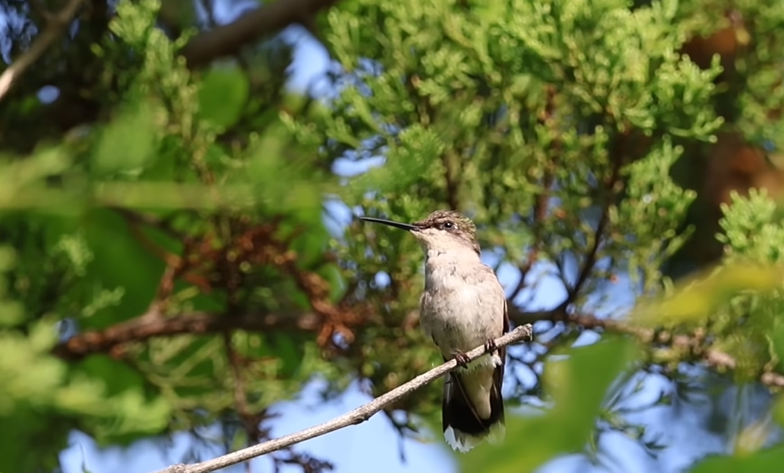
I frequently see them perched quietly on thin branches after feeding. Providing a yard with small trees or tall plants gives them a safe place to recover.
Plant Nectar Rich Flowers
Flowers can be just as important as feeders.
Plants like bee balm, trumpet vine, and salvia attract hummingbirds naturally. When these flowers bloom, the garden becomes very active with visiting birds.
Be Patient and Observe
One of the best parts of hummingbird watching is simply paying attention.
Sometimes a new bird appears suddenly at the feeder. Other times, you may notice increased activity that signals migration has started.
Sitting quietly outside and observing these tiny travelers can be surprisingly peaceful.
Frequently Asked Questions
When does hummingbird migration usually start in the United States?
Migration often begins in late summer and continues into fall. In many parts of the United States, this happens between August and October. The exact timing depends on the location and the species of hummingbird.
Should I leave my hummingbird feeder out during migration?
Yes. Leaving feeders out can help migrating birds that are passing through your area. These birds may rely on feeders to gain energy before continuing their journey south.
Do hummingbirds migrate in groups?
Most hummingbirds migrate alone. Each bird follows its own path. That is why new birds may appear at your feeder during migration season.
How far can a hummingbird migrate?
Some hummingbirds travel hundreds or even thousands of miles during migration. Ruby-throated hummingbirds can fly across the Gulf of Mexico in one long flight.
How can I help hummingbirds during migration?
You can help by keeping feeders clean and filled with fresh nectar. Planting nectar-rich flowers and providing safe resting areas also helps migrating birds.
Conclusion
Watching hummingbird migration is one of the most rewarding experiences for anyone who enjoys birds. These tiny travelers cover incredible distances every year as they move between their breeding areas and winter homes.
A good hummingbird migration guide helps us understand when these birds travel and what they need along the way. During migration, hummingbirds feed more often, stop in new places, and rely on both flowers and feeders for energy.
Simple actions in your yard can make a real difference. Keeping feeders filled, planting nectar-rich flowers, and providing safe resting spots can support hummingbirds during their long journey.
Every time I see a hummingbird arrive at the feeder during migration season, I imagine the miles it has already traveled. It is a reminder that even the smallest birds can accomplish remarkable journeys.

Sheri L. Williamson is a naturalist and hummingbird researcher. She studies hummingbirds and works to protect them. She is also the author of A Field Guide to Hummingbirds of North America in the Peterson Field Guide Series.