Praying Mantis Attacking Hummingbird | Rare Predator Behavior
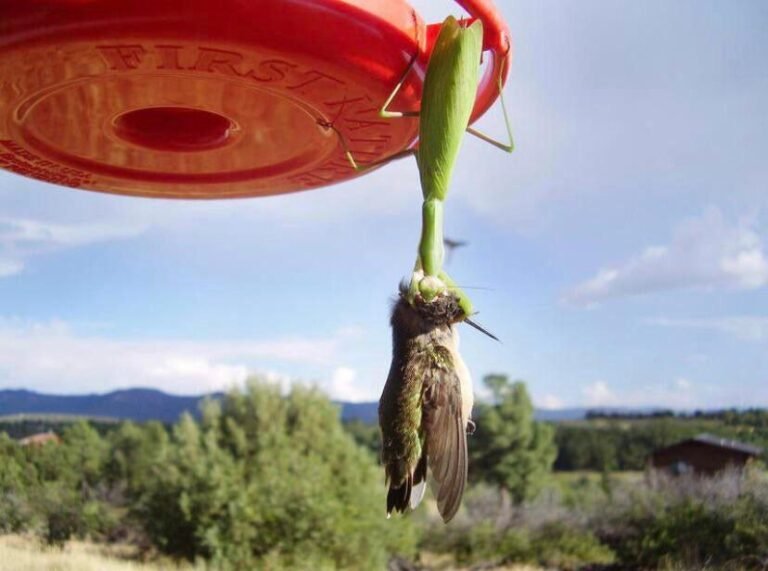
I spend a lot of time sitting near my feeders, just watching hummingbirds come and go. Over the years, I have seen many amazing things. I have also seen some moments that surprised me, like a praying mantis attacking a hummingbird near a feeder.
At first, it sounds hard to believe. Hummingbirds are fast, alert, and always on the move. But nature can be unpredictable. A praying mantis is patient and very still. It waits quietly and strikes at the right moment.
This topic matters because many people put up feeders to help hummingbirds. But sometimes, those feeders can attract other creatures too. Not all of them are harmless.
If you watch closely, you start to notice patterns. Hummingbirds return to the same feeding spots again and again. That makes it easier for a predator like a mantis to plan an attack.
I have learned to look for signs and protect the birds as much as I can. In the next part, I will explain how a praying mantis attacking a hummingbird actually happens and why it is possible.
Main Explanation of a Praying Mantis Attacking a Hummingbird
I remember the first time I saw a praying mantis near my feeder. It was sitting very still on the red plastic base. At first, I thought it was just blending in with the plants. But then I noticed how it was facing the feeding port and not moving at all.
That is how a praying mantis hunts. It does not chase. It waits.
Hummingbirds are creatures of habit. They often return to the same feeder throughout the day. I see the same birds come back every few minutes. They know where the food is, and they trust that spot.
A praying mantis learns this pattern.
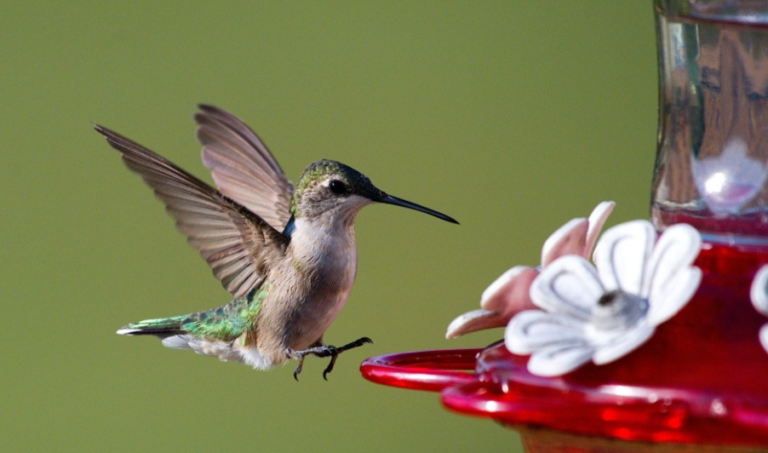
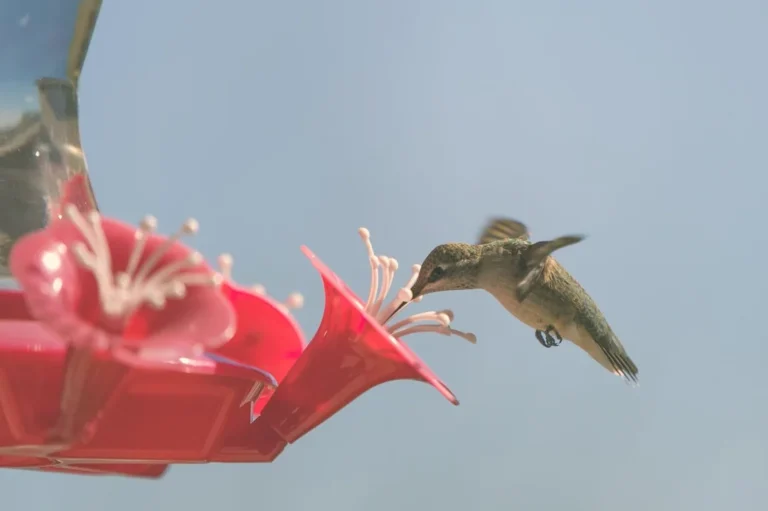
When a hummingbird comes in to drink, it hovers in one place for a short time. That is the moment the mantis is waiting for. With its strong front legs, it can grab very fast. Faster than most people expect.
The attack happens in a split second.
The mantis grabs the hummingbird while it is feeding. Sometimes the bird struggles and escapes. I have seen that happen once. The bird flew off quickly, and the mantis lost its grip. But not every bird is that lucky.
This is why a praying mantis attacking a hummingbird is real, even if it is rare.
Most of the time, hummingbirds are too quick and alert. They chase each other away, they watch their surroundings, and they rarely sit still for long. But when they focus on feeding, they become a bit more vulnerable.
I have noticed that mantises are more likely to stay near feeders that are surrounded by plants. They use leaves and stems to hide. If your feeder is close to bushes or flowers, it gives them a perfect place to wait.
Another thing I have seen is that mantises prefer quiet spots. If there is a lot of movement or people nearby, they tend to move away. But in calm gardens, they can stay for days without being noticed.
That is why regular checking is important.
When I refill my feeder, I always take a few seconds to look around. I check the base, the perches, and nearby branches. If I see a mantis, I gently move it to another part of the garden, far from the feeder.
I do not harm it. It is just doing what it naturally does. But I also want to protect the hummingbirds that visit every day.
Understanding how a praying mantis attacking a hummingbird happens helps you stay aware. Once you know what to look for, it becomes much easier to keep your feeder safe.
Important Hummingbird Facts Related to This Topic
When you spend time watching hummingbirds, you start to notice how they behave every day. These small habits are important. They help explain why a praying mantis can attack a hummingbird, even though hummingbirds are very fast.
Hummingbirds Follow Daily Routines
One thing I see all the time is how hummingbirds return to the same feeder again and again.
A single bird may visit every few minutes. It knows exactly where the feeder is. It flies straight to it without hesitation.
This routine makes life easier for the bird, but it also creates risk. A predator like a mantis only needs to wait in one place.
They Focus Deeply While Feeding
When a hummingbird drinks nectar, it becomes very focused.
It hovers in front of the feeding port. Its bill goes inside, and for a few seconds, it pays less attention to its surroundings.
I have seen birds ignore movement nearby while feeding. That short moment is enough for a mantis to strike.
Hummingbirds Are Territorial
Hummingbirds are not always peaceful. They often chase each other away from feeders.
I see this every day in my garden. One bird claims the feeder and tries to guard it. It will dive at other birds and make sharp sounds.
During these chases, the birds get distracted. They focus on each other instead of their surroundings. This can also make them more vulnerable.
They Use the Same Perches
Hummingbirds love to rest on the same small branches.
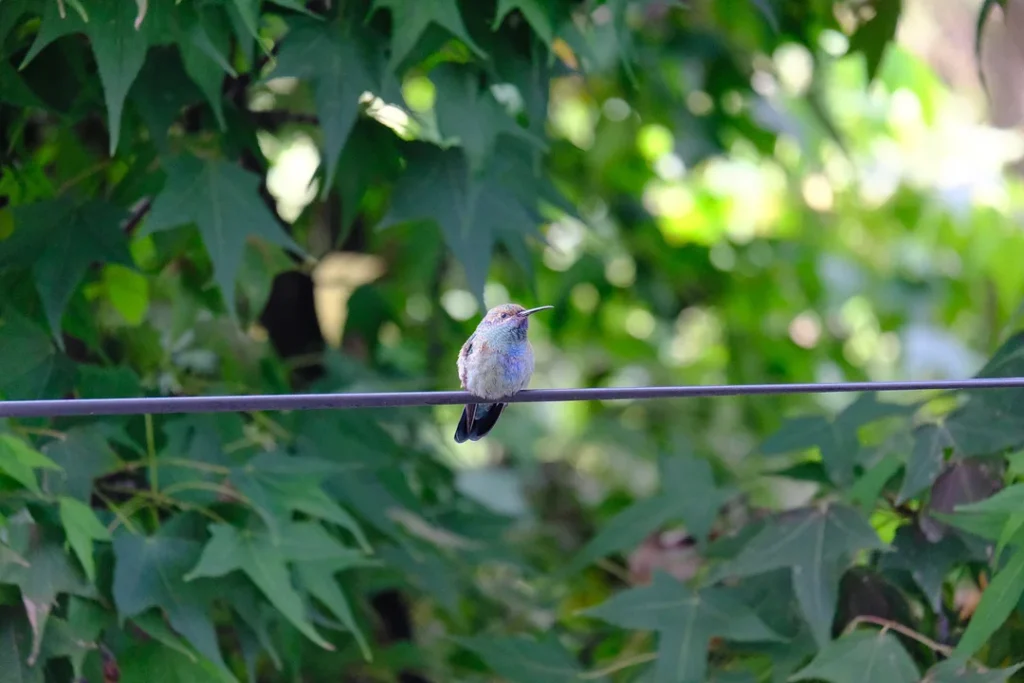
After feeding, they often fly to a nearby twig and sit quietly. I have watched the same bird use the same perch all day long.
If a mantis is on that branch, it creates another danger spot.
Their Size Makes Them Vulnerable
Hummingbirds are tiny. Even though they are fast, they are still small enough for a praying mantis to handle.
Many people think they are too quick to be caught, most of the time. But when timing is perfect, a mantis can grab them.
They Trust Safe Feeding Spots
Over time, hummingbirds start to trust a feeder.
If nothing bad happens, they lower their guard a little. I notice they come in more confidently and stay a bit longer.
This trust is what a hidden predator exploits.
Common Mistakes People Make
When I first started putting out feeders, I did not think much about predators. I only focused on attracting hummingbirds. Over time, I learned that small mistakes can pose real danger, especially when a praying mantis attacks a hummingbird.
Placing Feeders Too Close to Bushes
One common mistake is hanging feeders right next to thick plants.
It may look nice, but it gives hiding spots for predators. I used to hang a feeder near a leafy bush. That is where I first noticed a mantis waiting.
Now I keep my feeders a little more open. Hummingbirds still find them easily, but it is harder for anything to hide.
Not Checking the Feeder Regularly
Many people fill the feeder and forget about it.
I used to do that too. Now I always take a moment to look closely when I clean or refill it. I check the feeding ports, the base, and nearby branches.
A mantis can stay very still and go unnoticed if you do not look carefully.
Ignoring Nearby Perches
People often focus only on the feeder itself.
But hummingbirds do not just feed. They rest nearby. If a mantis is sitting on a branch close to the feeder, it can still attack.
I always scan the small branches around the feeder. That habit has helped me spot danger more than once.
Thinking It Will Never Happen
Many people believe a praying mantis attacking a hummingbird is too rare to worry about.
It is not common, but it does happen. I have seen enough to know it is real.
Even if the risk is low, it is still worth paying attention.
Helpful Tips from a Hummingbird Watcher
Over time, I have made small changes that helped keep my hummingbirds safer. These are simple steps anyone can follow.
Keep Feeders in Open Areas
Try to hang your feeder where there is some open space around it.
This makes it harder for a mantis to hide. Hummingbirds feel more comfortable,, to,o, because they can see danger coming.
Check Feeders Every Day
You do not need a long inspection.
Just take a quick look each day. Check the feeder ports and the surrounding area. It only takes a few seconds, but it can make a big difference.
Move Mantises Gently
If you find a mantis, do not harm it.
I usually use a stick or gently guide it onto a branch away from the feeder. Then I move it to another part of the garden.
This way, both the mantis and the hummingbirds stay safe.
Watch Hummingbird Behavior
Hummingbirds give clues when something is wrong.
If they suddenly stop visiting, act nervous, or avoid the feeder, I take that as a sign to check closely.
Their behavior often tells you more than you expect.
Keep the Area Clean and Simple
Too many decorations or crowded plants can create hiding spots.
I keep the area around my feeder simple. A few flowers are fine, but I avoid thick cover right next to them.
Frequently Asked Questions
Can a praying mantis really catch a hummingbird
Yes, it can happen.
I have seen a mantis waiting near a feeder, completely still. When a hummingbird came in to drink, the mantis tried to grab it. These insects are faster than most people think.
It is not common, but it is real. That is why awareness matters.
How often does a praying mantis attacking a hummingbird happen
It is rare, but not impossible.
In all my time watching hummingbirds, I have only seen a few close calls. Most hummingbirds escape because they are very quick and alert.
Still, even a small risk is worth paying attention to if you care about the birds.
Where do mantises usually hide near feeders
They like places where they can blend in.
I often find them on the feeder itself, especially near the feeding ports. They also hide on nearby branches, leaves, or even flower stems.
If your feeder is close to thick plants, the chances are higher.
Should I remove a mantis from my feeder area
Yes, but do it gently.
I never harm them. I moved them to another part of the garden, away from the feeder. They are part of nature too.
The goal is to protect hummingbirds without hurting other creatures.
Do hummingbirds learn to avoid danger
Sometimes they do.
I have noticed that hummingbirds become cautious if something feels wrong. They may hover longer before feeding or avoid a spot for a while.
But they also rely on routine so that they may return. That is why we need to help keep their feeding areas safe.
Conclusion
Watching hummingbirds every day has taught me how delicate their world can be.
A praying mantis attacking a hummingbird may sound surprising, but it can happen under the right conditions. These birds are fast and alert, but they also follow routines that can make them vulnerable for a moment.
The good news is that small actions can make a big difference.
Keep feeders in open spaces. Check them often. Pay attention to nearby branches. Watch how the birds behave.
You do not need to change everything in your garden. Just stay aware and make simple adjustments.
When you do that, you give hummingbirds a safer place to feed and return every day. And that makes watching them even more rewarding.

Sheri L. Williamson is a naturalist and hummingbird researcher. She studies hummingbirds and works to protect them. She is also the author of A Field Guide to Hummingbirds of North America in the Peterson Field Guide Series.