Male Female Hummingbirds Pictures | Easy Identification Guide
I spend a lot of time sitting quietly near my garden feeders, just watching hummingbirds come and go. Over time, I started noticing small differences between them. Some flash bright colors in the sunlight. Others look softer and more hidden.
That is when I began paying close attention to male and female hummingbird pictures and their real-life behavior together.
At first, it can be hard to tell them apart. They move fast. They rarely sit still. But once you learn what to look for, it becomes much easier. You start to see patterns in their color, their attitude, and even how they use the feeder.
In this guide, I will share what I have learned from watching them every day. You will learn how to identify male and female hummingbirds from pictures and recognize them in your own yard.
Main Explanation of the Topic
When you look at female hummingbird pictures, the first thing you should notice is color. This is the easiest way to tell them apart.
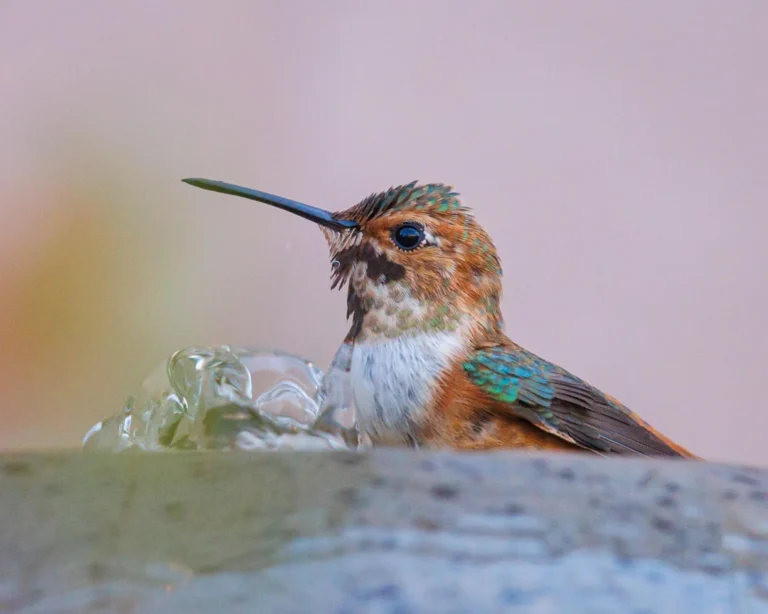
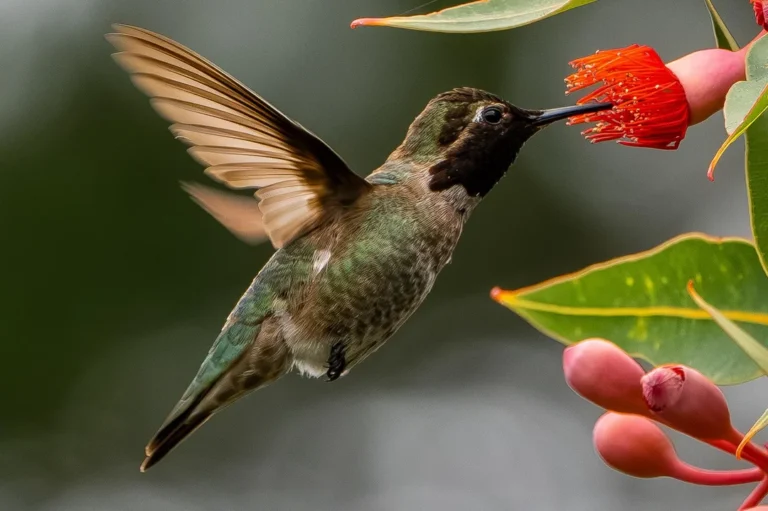
Male hummingbirds are bright. In my yard, the males often flash a shiny throat that changes color in the sunlight. Sometimes it looks red. Sometimes it looks orange or even dark, depending on the angle. This shiny patch is called a gorget. It is one of the clearest signs you are looking at a male.
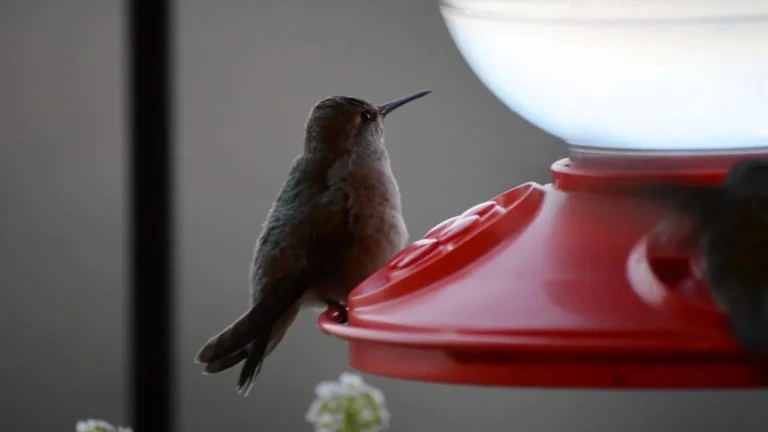
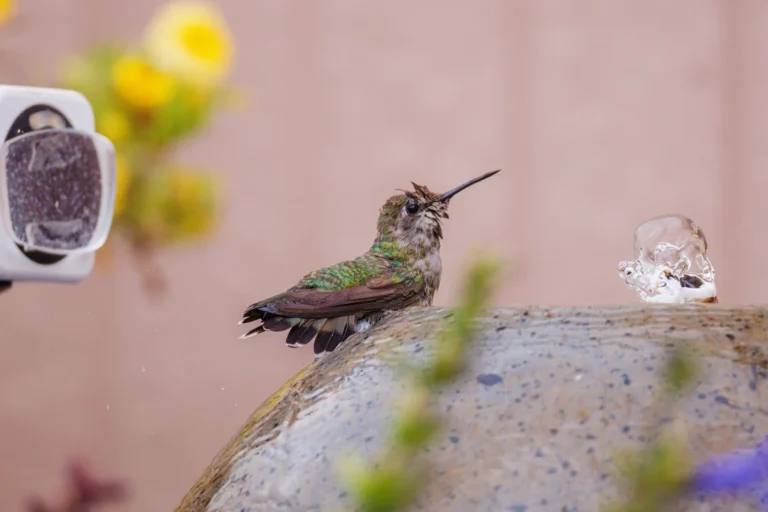
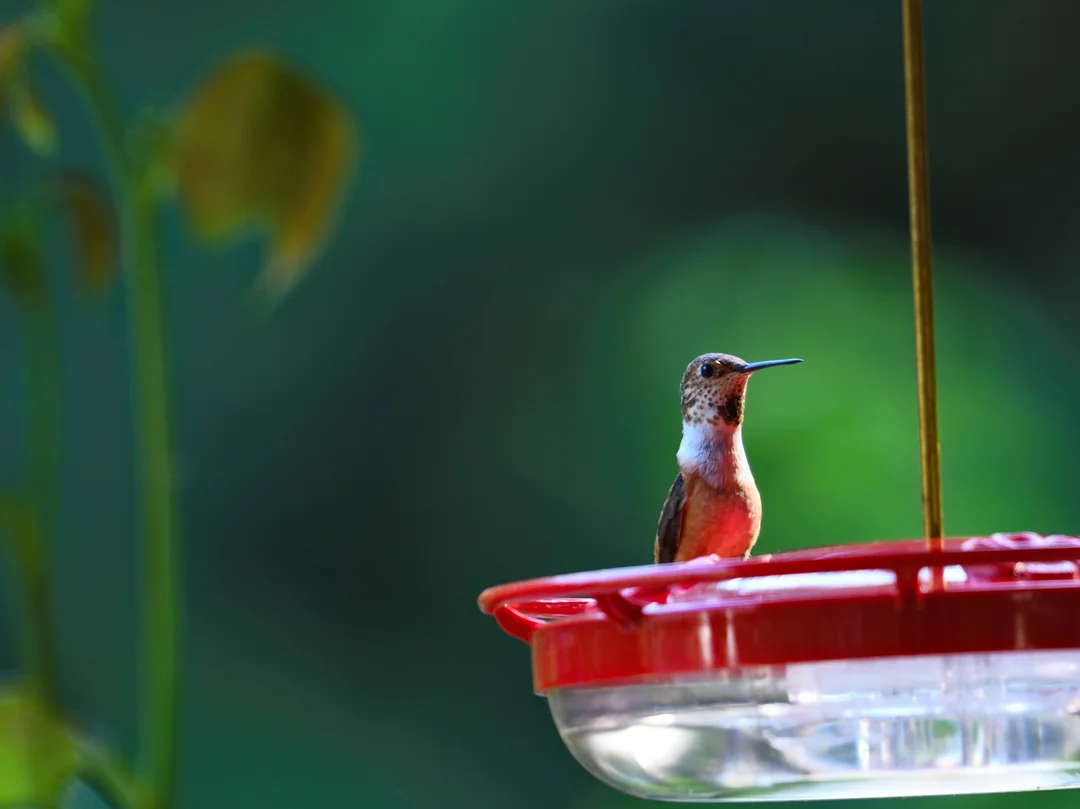
Females are calmer in color. They usually have green backs and light gray or white underparts. Their throats do not shine like the males’. Some females have tiny spots on their throats, but they never glow the same way.
I noticed something else while watching them at my feeder. Males act very boldly. One male will often sit nearby, guarding the feeder. He will chase away other hummingbirds again and again. Even birds bigger than him sometimes get chased.
Females behave differently. They come in quietly. They feed and leave without much drama. They do not try to control the feeder like males do.
When you compare male and female hummingbird pictures side by side, this behavior helps you make sense of what you see. The bright bird is usually the one showing off and protecting space. The softer colored bird is focused on feeding and staying safe.
Another small detail I often see is size and shape. Females can look slightly larger or fuller, especially during nesting season. This is because they build nests and raise young.
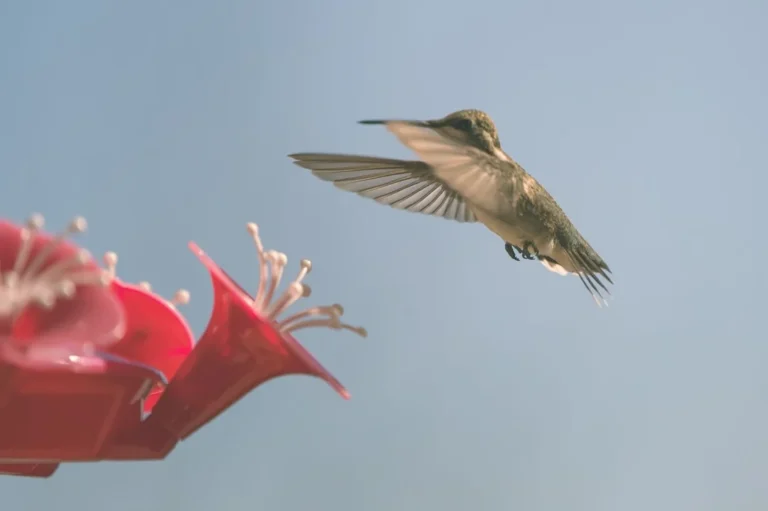
If you look closely at pictures, you may also notice the tail. In many species, males have more pointed or shaped tail feathers. Females usually have rounder edges and sometimes white tips.
The more you look at male and female hummingbird pictures, the easier it gets. After a while, you do not just see color. You start to see each bird’s personality.
Important Hummingbird Facts Related to This Topic
When you study pictures of male and female hummingbirds, it helps you understand how they live in the real world. I have learned a lot just by sitting still and watching them day after day.
One important fact is that male hummingbirds use their bright colors to attract females. I often see a male perch in the sun and turn his head just right so his throat shines. It is not random. He is showing off.
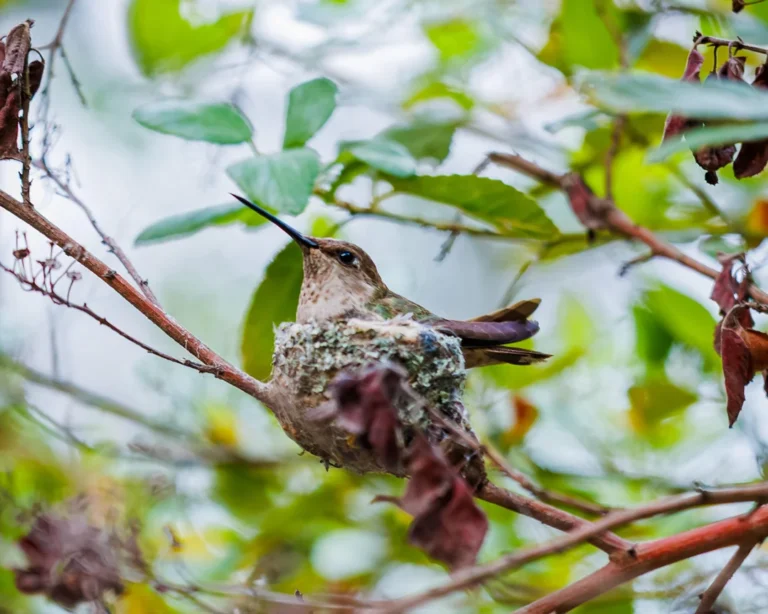
Females do not need bright colors. Their softer look helps them stay hidden, especially when they are on a nest. I once spotted a female sitting on a tiny nest, and if I did not know where to look, I would have missed her completely.
Another thing I have noticed is how early they start their day. Both males and females begin feeding at first light. But males usually arrive first at the feeder. They want to claim it before others show up.
Males are very territorial. One male can control a whole feeding area. I have watched the same bird chase away every visitor for long periods. Even when he is tired, he keeps trying to defend his spot.
Females are more practical. They move between feeders and flowers without fighting much. During nesting season, they become even more focused. They collect soft plant fibers and spider silk to build their nests.
Here is something many beginners do not realize. Male hummingbirds do not help raise babies. After mating, the female does everything alone. She builds the nest, lays the eggs, and feeds the chicks.
This explains why females need to be careful and less flashy; their survival matters for the next generation.
I have also seen that females can be surprisingly brave. If another bird gets too close to their nest, they will chase it away. They may look calm most of the time, but they can defend their space when needed.
When you look again at pictures of male and female hummingbirds after knowing these facts, the differences make more sense. The bright colors, the behavior, and even the posture all tell a story.
Common Mistakes People Make
One mistake I see a lot is judging too fast. People take a quick look and assume every bright bird is male and every dull bird is female. Most of the time that works, but not always.
Young hummingbirds can confuse you. I remember the first time I saw a young male. He looked like a female at first. His throat was plain. But after a few days, I noticed tiny shiny spots starting to appear. That is how young males begin to change.
Another mistake is looking at pictures without thinking about light. I have watched the same male go from bright red to almost black in a single second. It depends on how the sun hits his throat. So when you study male and female hummingbird pictures, always think about lighting.
Some people also focus only on color and ignore behavior. This can lead to wrong guesses. I have seen females with a bit of color, and people think they are males. But if you watch how they act, the truth becomes clear.
A common mistake in my yard is assuming the bird that chases others is always male. Sometimes,imes a female can act aggressively too, especially near a nest or a favorite feeding spot.
People also forget that different species look different. What works for one hummingbird may not work for another. That is why it helps to observe rather than rely on a single rule.
Helpful Tips From a Hummingbird Watcher
The best tip I can give is to slow down and watch. Do not rush. Sit near your feeder and give them time to show their behavior.
Try to observe them at different times of the day. Early morning light is softer, and you can see colors more clearly. Midday light can make the throat shine brightly.
Watch how each bird behaves over time. The same male will often return to the same perch. I have a small branch near my feeder where one male sits every day. He uses it to guard his space.
Keep an eye on the throat area. Even a quick flash of color can tell you a lot. If you see a strong shine when the bird turns its head, it is likely a male.
Look at the tail when the bird is resting. If you can catch that moment, you may notice shape differences that help you decide.
Suppose you want to learn faster,c compare pictures. This helped me a lot. I would watch a bird, then look at pictures later and match what I saw.
Planting flowers also helps. When hummingbirds feel safe, they stay longer. This gives you more time to observe small details.
Be patient with yourself. At first, everything looks the same. But after a few days of watching, you will start noticing clear differences.
Once you reach that point, it becomes very enjoyable. You are not just seeing birds anymore. You are understanding them.
Frequently Asked Questions
How can I tell male and female hummingbirds apart quickly?
The fastest way is to look at the throat. Males usually have a bright, shiny throat that flashes in the sun. Females have a plain throat with no shine. After some practice, you will notice this right away.
Do female hummingbirds ever have bright colors?
Most females do not have bright throats like males. Some may have small spots or a little color, but they do not glow or shine. In my experience, the difference becomes clear when the bird moves in sunlight.
Are male hummingbirds always aggressive?
Males are often more aggressive, especially around feeders. I often see them chase other birds. But not all males act the same way all the time. Sometimes they rest and allow others to feed for a short time.
Can I tell the difference just by looking at pictures?
Yes, but it can be tricky. Lighting can change how a bird looks. I always suggest using both pictures and real-life observation. When you combine both, you learn much faster.
Do males and females visit feeders equally?
Both visit feeders, but their behavior is different. Males try to control the feeder. Females come and go more quietly. I often see females feed quickly and leave without drawing attention.
Conclusion
Learning from male and female hummingbird pictures becomes much easier when you also spend time watching real birds.
The main difference lies in color and behavior. Males are bright and bold. Females are softer in color and more focused on feeding and nesting.
From my time in the garden, I have learned that patience is the key. The more you watch, the more details you notice. Small things, like how a bird turns its head or defends a feeder, start to stand out.
At first, everything may look the same. But soon, you will begin to recognize each bird with confidence.
Once that happens, watching hummingbirds becomes even more enjoyable. You are not just seeing them. You are understanding their world.

Sheri L. Williamson is a naturalist and hummingbird researcher. She studies hummingbirds and works to protect them. She is also the author of A Field Guide to Hummingbirds of North America in the Peterson Field Guide Series.