What Do You Put in Hummingbird Feeder | Simple Nectar Recipe
Many people ask the same question when they buy their first feeder. What do you put in a hummingbird feeder so the birds will actually come?
I remember asking the same thing when I first hung a feeder in my garden. At first, nothing happened. Then I learned the simple mix that hummingbirds look for in nature. After that, the birds started visiting almost every day.
The good news is that hummingbird food is very simple. You do not need fancy products or expensive mixes. Hummingbirds mostly drink nectar from flowers, and we can easily make something very close to that at home.
When you understand what to put in a hummingbird feeder, it becomes much easier to attract these tiny birds. Once they find a safe feeder with fresh nectar, they often return again and again. I have seen the same birds visit my feeder every morning during warm months.
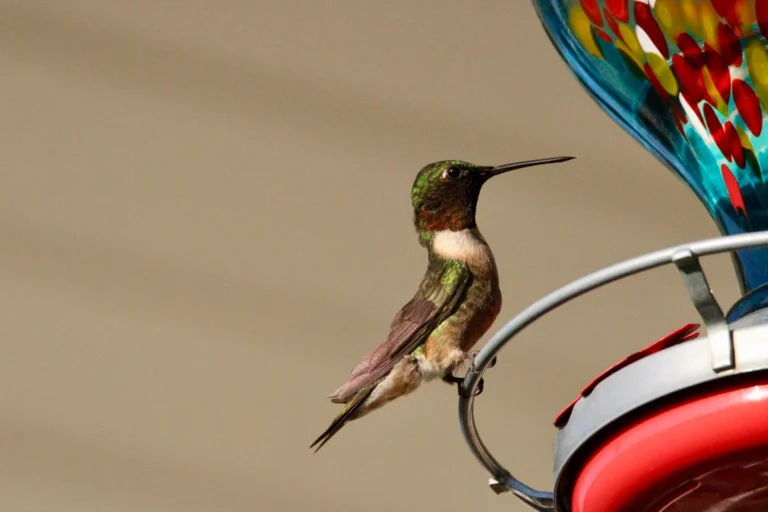
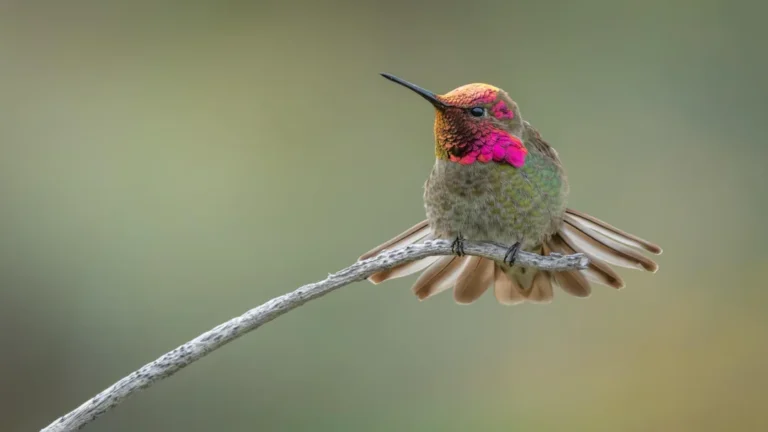
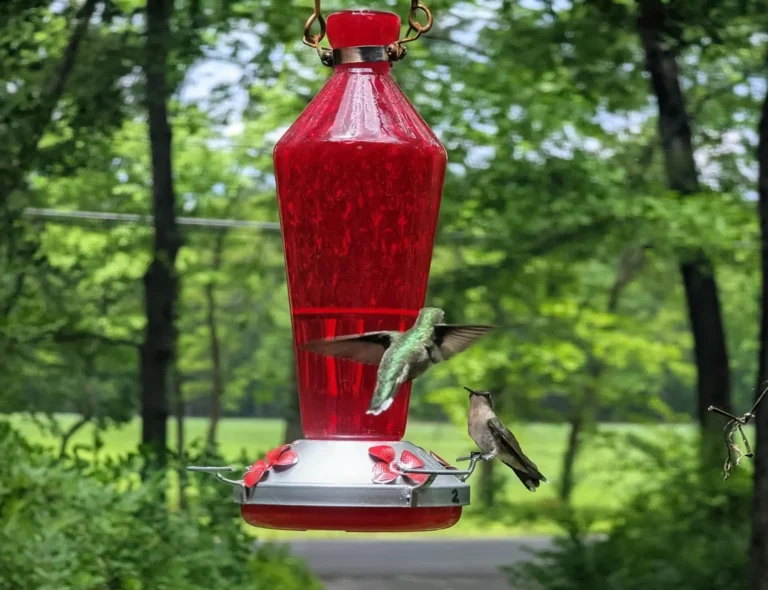
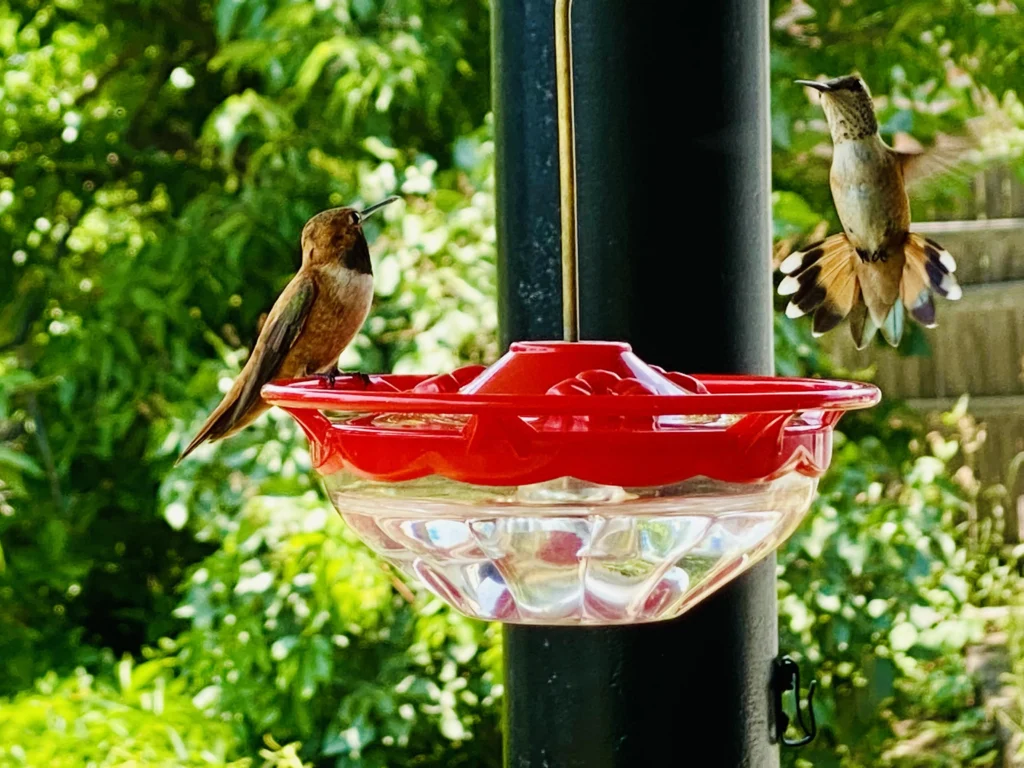
A feeder filled the right way can turn a quiet yard into a place full of activity. You may see hummingbirds hovering near flowers, chasing other birds away from the feeder, or sitting on a small branch to rest between drinks.
Main Explanation of the Topic
So what do you put in a hummingbird feeder if you want hummingbirds to visit your yard?
The answer is very simple. You put a mixture of white sugar and clean water. This homemade nectar is very close to the natural nectar hummingbirds drink from flowers.
The most common and safest recipe is one part white sugar and four parts water. Many hummingbird watchers use this same mix. I have used it for years, and it works very well.
For example, if you use one cup of sugar, you mix it with four cups of water. Stir it until the sugar fully dissolves. Some people warm the water a little to help the sugar dissolve faster, but boiling is not always necessary.
Once the sugar dissolves, let the mixture cool if it was heated. Then pour it into your hummingbird feeder.
That is all you need.
When I first started watching hummingbirds, I thought special nectar or store products were required. After spending time observing the birds in my garden, I learned they prefer the simple sugar water just as much as flower nectar.
Hummingbirds have very fast metabolisms. They burn energy quickly while hovering and flying. The sugar water gives them the quick energy they need during the day.
You do not need to add anything else to the feeder. Plain white sugar and water are the safest and most natural options.
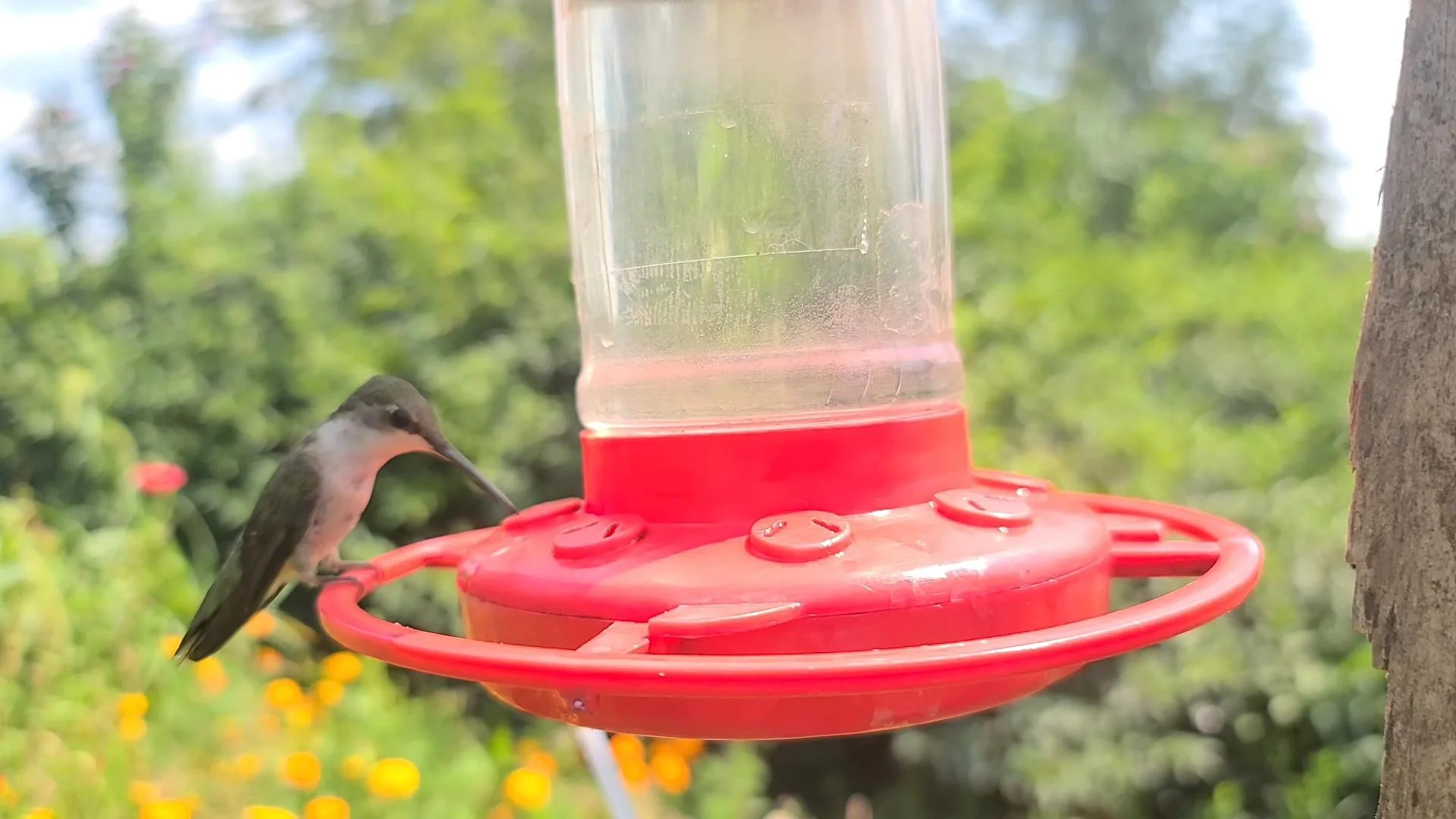
Many feeders are red because hummingbirds are attracted to bright colors. The red feeder helps them find the nectar. Because of this, the liquid itself does not need food coloring.
I have watched hummingbirds fly straight to a red feeder even when it is the first time they have seen it in the yard.
Keeping the nectar fresh is also very important. During warm weather, I usually replace the nectar every two or three days. If the weather is very hot, I change it even sooner.
Fresh nectar keeps hummingbirds healthy and encourages them to return often.
Important Hummingbird Facts Related to This Topic
Spending time around hummingbird feeders teaches you many interesting things about how these birds behave. When you understand their habits, it becomes easier to know what to put in a hummingbird feeder and why it works.
Hummingbirds depend heavily on nectar for energy. Their wings beat extremely fast, and they burn a lot of calories during the day. Because of this, they need quick sugar energy to keep flying.
When I sit in my garden early in the morning, hummingbirds are often the first birds to visit the feeder. They start feeding soon after sunrise because they need energy after a night.
In nature, hummingbirds drink nectar from many types of flowers. The nectar inside flowers is mostly sugar and water. This is why the simple sugar water mixture works so well in feeders. It closely matches what they already drink in the wild.
Another thing I have noticed is how good hummingbirds are at remembering food locations. Once they find a feeder with fresh nectar, they usually return again and again. Sometimes the same bird visits the feeder many times throughout the day.
Hummingbirds also protect good food sources. If a feeder is full of fresh nectar, one hummingbird may try to guard it. I often see one bird sitting on a nearby branch watching the feeder. When another hummingbird comes close, the guarding bird quickly flies out to chase it away.
This behavior shows how valuable a nectar source is for them.
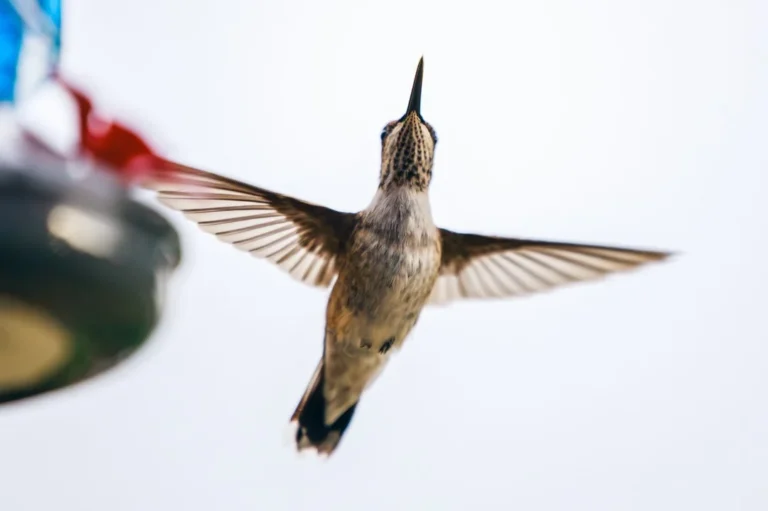
Hummingbirds also feed very quickly. They usually hover for a few seconds, drink nectar with their long tongue, and then fly away. A single visit may only last a short time, but they come back many times during the day.
Another interesting thing I often see is hummingbirds checking the feeder even when it is empty. They remember the location and return to see if the nectar has been refilled.
This strong memory is one reason why keeping fresh nectar in the feeder is so helpful. Once hummingbirds trust a feeding spot, they will keep coming back.
Common Mistakes People Make
Over the years, I have seen many people try to attract hummingbirds. Most beginners mean well, but a few simple mistakes can keep hummingbirds away from the feeder.
One common mistake is using the wrong type of sugar. Some people try brown sugar, honey, or artificial sweeteners. Hummingbirds do not need these things, and they can even be harmful. The safest choice is always plain white sugar mixed with water.
Another mistake is adding red food coloring to the nectar. Many store products suggest this, but it is not necessary. The feeder itself is usually red, and that color already attracts hummingbirds. I have watched hummingbirds visit clear nectar many times without any problem.
Letting the nectar sit too long is another issue. Sugar water can spoil when the weather is warm. When nectar becomes cloudy or starts to smell strange, hummingbirds will avoid it. I usually replace the nectar every two or three days in warm weather.
Some people also place feeders in poor locations. If the feeder is hidden or placed in a very busy area, hummingbirds may not feel safe. They prefer quiet spots where they can see around them.
Dirty feeders can also cause problems. Nectar can grow mold if the feeder is not cleaned regularly. I always rinse my feeders well when I refill them.
Avoiding these simple mistakes can make a big difference when you are learning what to put in a hummingbird feeder and how to keep hummingbirds visiting your yard.
Helpful Tips From a Hummingbird Watcher
Watching hummingbirds for years has taught me a few helpful tricks that make feeders more successful.
First, place the feeder where hummingbirds can easily see it. I like to hang feeders near flowers or small trees. Hummingbirds often explore these areas while looking for nectar.
Morning sunlight can help hummingbirds notice the feeder. A little light makes the red color stand out, and the birds often find it faster.
Another tip is to keep the nectar fresh. Even when the feeder is not empty, replacing the nectar regularly keeps it clean and healthy for the birds.
I also like to watch where hummingbirds rest between feeding visits. They often sit on thin branches or small garden stakes. If you place a feeder near those spots, hummingbirds may visit more often.
Planting nectar-rich flowers can help as well. Flowers such as bee balm, trumpet vine, and salvia attract hummingbirds naturally. When these flowers grow near a feeder, hummingbirds usually discover the feeder quickly.
Patience is also important. Sometimes it takes a few days for hummingbirds to notice a new feeder. Once they find it, they usually remember the location.
One of my favorite moments is when a hummingbird hovers in front of the feeder for a few seconds before drinking. It almost looks like the bird is inspecting the feeder. After that first drink, they often return many times each day.
With a little care and patience, a hummingbird feeder can turn your garden into a place full of life.
Frequently Asked Questions
What do you put in a hummingbird feeder to attract hummingbirds?
The best thing to put in a hummingbird feeder is a mixture of white sugar and water. The common recipe is one part sugar and four parts water. This simple nectar is very similar to the nectar hummingbirds drink from flowers.
Do hummingbird feeders need red food coloring?
No. Red food coloring is not needed. Most feeders are already red, and that color attracts hummingbirds. Clear nectar made from sugar and water is the safest choice.
How often should I change hummingbird nectar?
In warm weather, it is best to change the nectar every two or three days. If the weather is very hot, changing it every day or two is even better. Fresh nectar keeps hummingbirds healthy.
Can hummingbirds drink store-bought nectar?
Many hummingbirds will drink store-bought nectar, but homemade nectar made from sugar and water is often safer and more natural. Many experienced hummingbird watchers prefer the homemade mixture.
Why are hummingbirds not visiting my feeder?
Sometimes hummingbirds need time to discover a new feeder. Placing the feeder in a visible location and keeping the nectar fresh usually helps. Planting flowers that attract hummingbirds can also bring them into the area.
Conclusion
Learning what to put in a hummingbird feeder is actually very simple. The best nectar is just white sugar mixed with clean water.
This mixture closely matches the natural nectar hummingbirds drink from flowers. It provides the quick energy they need for flying and hovering throughout the day.
Keeping the feeder clean and the nectar fresh is just as important as the recipe itself. Fresh nectar encourages hummingbirds to visit often.
Placing feeders in a quiet and visible location also helps hummingbirds feel safe while feeding.
From my own experience watching hummingbirds in the garden, once they find a good feeder, they usually return again and again. Over time, you may even start to recognize the same birds visiting your yard.
With a simple feeder and fresh nectar, your yard can become a favorite stop for these amazing little birds.

Sheri L. Williamson is a naturalist and hummingbird researcher. She studies hummingbirds and works to protect them. She is also the author of A Field Guide to Hummingbirds of North America in the Peterson Field Guide Series.