Best Way to Make Hummingbird Food | Simple Sugar Water Recipe
Early in the morning, I like to sit near my garden and watch the hummingbirds visit the feeder. The tiny wings buzz so fast that they sound like a small motor in the air. After watching them for years, I learned that the quality of the nectar we offer really matters.
Many people ask about the best way to make hummingbird food because they want to help these birds stay healthy while enjoying their visits. The good news is that hummingbird food is very simple to make at home. You only need two common ingredients that most people already have in the kitchen.
When hummingbirds find a feeder with fresh nectar, they often return again and again. I have watched the same bird visit the exact feeder spot many times each day. They remember reliable food sources very well.
Learning the best way to make hummingbird food helps you attract more hummingbirds to your yard while keeping them safe. Homemade nectar closely matches the natural sweetness they get from flowers.
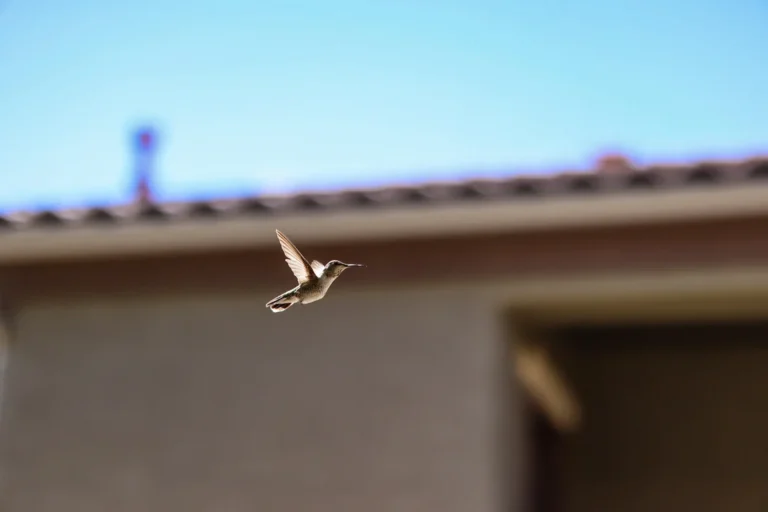
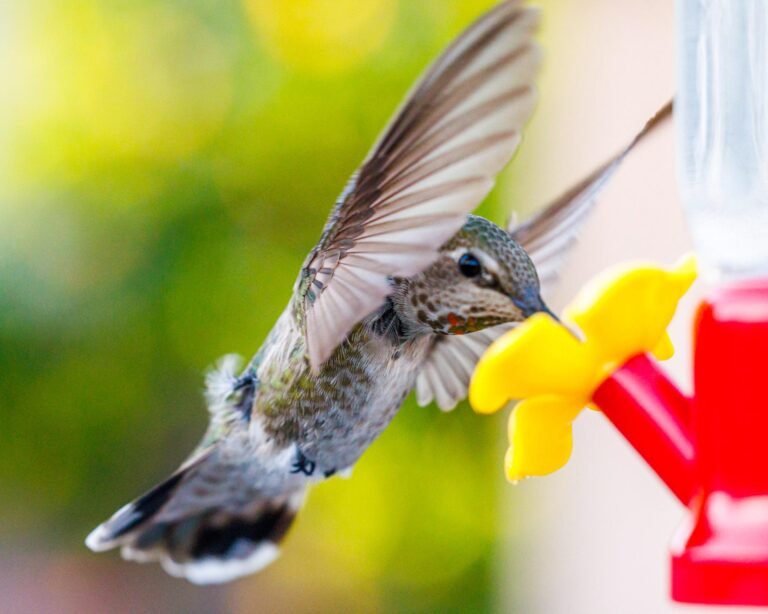
Fresh, clean nectar also encourages natural feeding behavior. Hummingbirds hover, drink quickly, and then fly off to nearby branches or flowers before returning.
Main Explanation of the Topic
When people ask me about the best way to make hummingbird food, I always tell them it is much simpler than they expect. After years of watching hummingbirds around my feeders, I have found that the classic sugar and water recipe works best.
Hummingbirds drink nectar from flowers in nature. That nectar is mostly water with natural sugar from the plant. The homemade version copies that natural food source.
The most trusted recipe uses one part white sugar and four parts water.
For example:
• 1 cup white sugar
• 4 cups water
This mixture creates a nectar that is very close to what hummingbirds find in flowers. I have used this ratio for years, and the birds visit my feeders daily.
Step-by-step method
Start by measuring your water and pouring it into a small pot. Heat the water until it reaches a gentle boil.
Boiling helps remove impurities and helps the sugar dissolve better.
Next, add the white sugar and stir slowly. Continue stirring until the sugar completely dissolves in the water.
Once the sugar is fully mixed, remove the pot from the heat and allow the liquid to cool completely.
Never place warm nectar in a feeder. Hummingbirds prefer cool nectar, and warm liquid can damage the feeder.
When the mixture is cool, pour it into a clean hummingbird feeder. Any extra nectar can be stored in the refrigerator for several days.
Why plain white sugar works best
From what I have observed, hummingbirds respond very well to plain white sugar nectar. It closely matches the natural sugar found in many flowers.
Other sweeteners can cause problems. Honey can grow harmful bacteria. Brown sugar contains minerals that hummingbirds cannot digest well.
White sugar mixed with clean water is the safest and most reliable option.
No food coloring is needed.
Many new bird watchers think red dye is required to attract hummingbirds. This is not true.
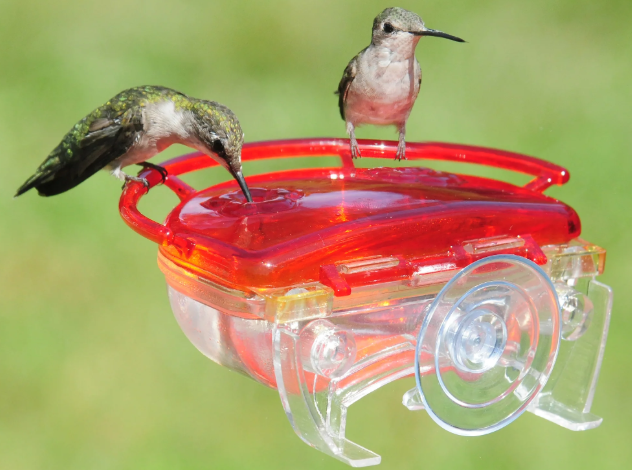
Hummingbirds are attracted to the red parts of the feeder, not the nectar itself. Most feeders already have red feeding ports that guide the birds.
I have never used food coloring in my feeders, and the hummingbirds still arrive every day.
Fresh nectar is very important
Another part of the best way to make hummingbird food is keeping it fresh.
On warm days, the nectar can spoil quickly. I usually change the nectar every two or three days during hot weather. In cooler weather, it can last a little longer.
Fresh nectar keeps hummingbirds healthy and encourages them to keep returning to your yard.
Important Hummingbird Facts Related to This Topic
Watching hummingbirds around feeders teaches you many things about their feeding habits. These birds burn energy very fast. Their wings move so quickly that they must eat often throughout the day.
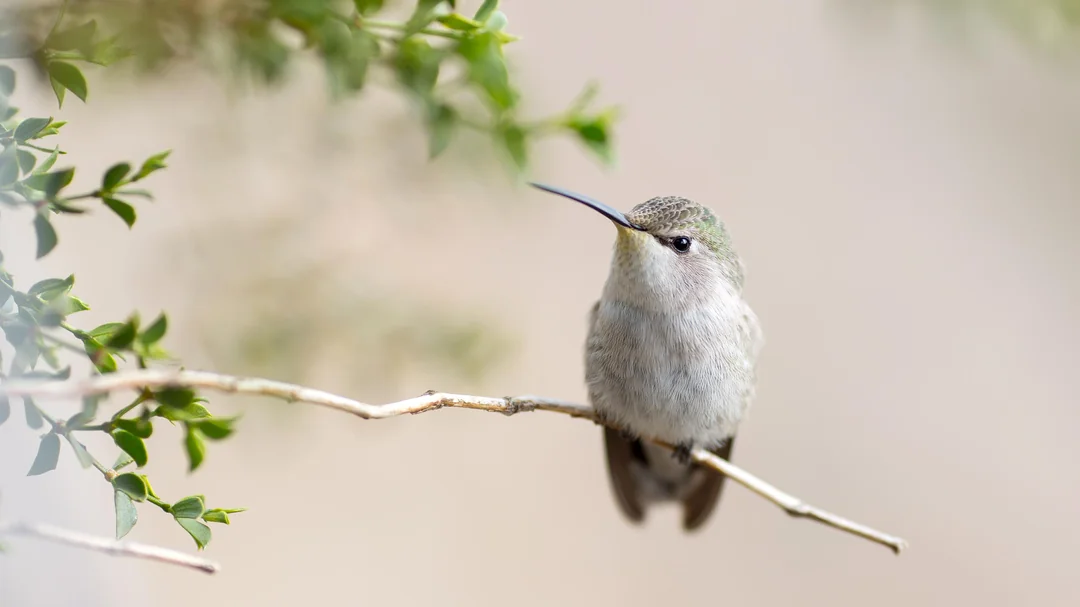
A hummingbird can visit flowers or feeders dozens of times each day. I often see the same bird return every few minutes. They take small drinks and then fly to a nearby branch to rest before coming back again.
Because their bodies use so much energy, the nectar must be easy to digest. That is one reason the simple sugar and water mixture works so well. It gives quick energy just like flower nectar.
Another interesting behavior is how well hummingbirds remember food sources. When a feeder has fresh nectar, the birds quickly learn its location. I have seen hummingbirds fly straight to the same feeder spot even after being away for several hours.
Hummingbirds also defend good feeding spots. Sometimes one bird will sit on a nearby branch and chase away other hummingbirds that come too close to its favorite feeder.
Clean nectar also supports their natural feeding rhythm. When nectar becomes cloudy or old, hummingbirds may stop visiting the feeder. Fresh nectar keeps them returning regularly.
Hummingbirds also eat small insects along with nectar. I often see them catching tiny bugs in the air or picking insects from leaves. These insects provide important protein that sugar water alone cannot provide.
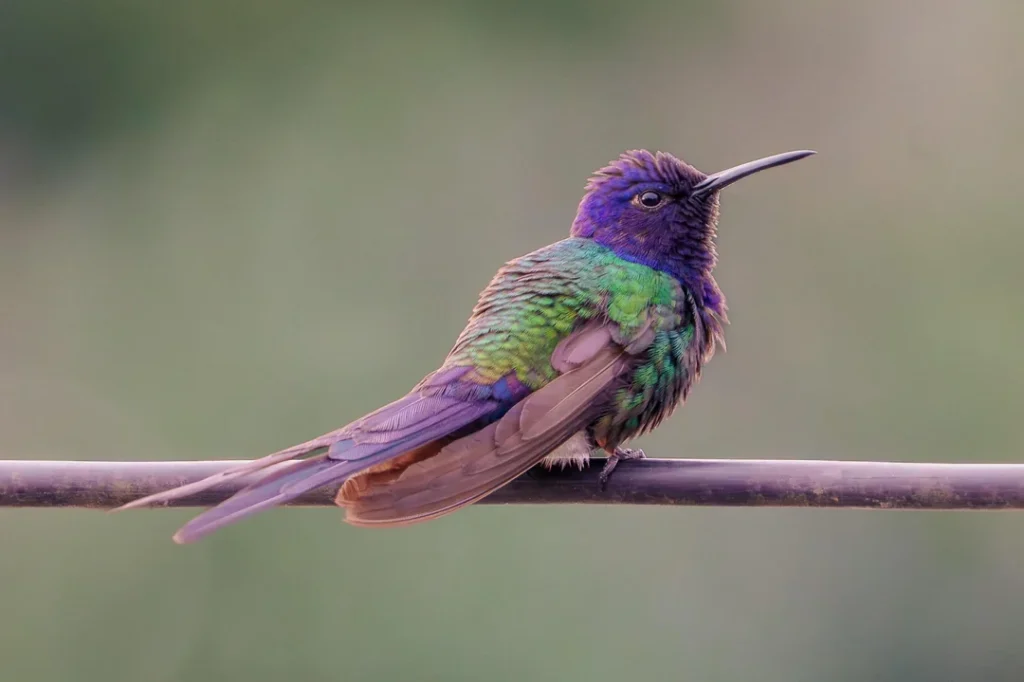
Another fact many beginners do not realize is that hummingbirds are very sensitive to spoiled food. In warm weather, nectar can ferment quickly. This is why changing nectar often is an important part of caring for hummingbirds.
During spring and summer, the birds feed very actively. They are building energy for nesting or raising young. A feeder with properly prepared nectar can become a helpful extra food source alongside natural flowers.
Even though feeders help hummingbirds, flowers still play a big role. In my garden, I notice that hummingbirds often move between feeders and flowers many times each day.
Understanding these small behaviors helps explain why the best way to make hummingbird food focuses on simple ingredients, fresh nectar, and clean feeders.
Common Mistakes People Make
Over the years, I have talked with many new hummingbird watchers. Most people mean well, but a few common mistakes can make feeders less helpful for the birds.
One mistake I see often is using the wrong sugar ratio. Some people add too much sugar because they think it will attract more hummingbirds. In reality, nectar that is too sweet can be hard for the birds to digest.
The simple mix of one part white sugar and four parts water remains the safest choice. When I follow this method, hummingbirds visit my feeders regularly and drink comfortably.
Another mistake is using honey instead of sugar. Honey may seem like a natural choice, but it can harbor harmful bacteria in hummingbird feeders. These bacteria can make hummingbirds sick.
Brown sugar and powdered sugar should also be avoided. They contain extra ingredients and minerals that hummingbirds do not handle well.
Food coloring is another common problem. Many beginners think red dye will attract more birds. Hummingbirds are already attracted to the red parts of feeders. The nectar itself does not need color.
I have always used clear nectar in my feeders, and the birds still find them quickly.
Dirty feeders are another issue I notice when visiting other gardens. Nectar can spoil quickly during warm weather. When a feeder stays outside too long without cleaning, the liquid can become cloudy.
Hummingbirds often avoid feeders with spoiled nectar. Clean feeders help keep them healthy and encourage them to keep visiting.
One more mistake is leaving feeders empty for long periods. Hummingbirds remember good feeding spots. If a feeder stays empty too long, the birds may stop checking it.
Keeping fresh nectar available helps build a steady hummingbird routine in your yard.
Helpful Tips from a Hummingbird Watcher
Spending time near hummingbird feeders teaches you small habits that help the birds feel comfortable.
Place feeders where hummingbirds can easily see them. A spot near flowers or a garden area works well. I usually hang my feeder where it gets some morning sun and light shade later in the day.
Shade can slow nectar spoilage. When the feeder sits in direct sun all day, the nectar can warm up quickly.
Cleaning the feeder regularly is one of the best habits you can develop. I rinse my feeders with warm water every few days during hot weather. A small bottle brush helps clean the feeding ports.
Another tip is to keep a few natural nectar flowers in the yard. Hummingbirds enjoy moving between flowers and feeders. Plants like trumpet vine, bee balm, and salvia often attract hummingbirds.
Watching hummingbirds also becomes easier when you place a chair nearby. Early morning and late afternoon are usually the busiest feeding times. I often see several visits during these hours.
Fresh nectar, clean feeders, and a calm garden space make a big difference. When these things come together, hummingbirds begin to treat your yard like a regular feeding stop.
Frequently Asked Questions
What is the best way to make hummingbird food at home?
The best way to make hummingbird food is to mix one part white sugar with four parts water. Boil the water, stir in the sugar until it dissolves, and then allow the mixture to cool. Once it is cool, pour it into a clean feeder. This simple recipe closely matches the sweetness of natural flower nectar.
Do hummingbirds need red food coloring in nectar?
No. Hummingbirds do not need red food coloring in their nectar. The birds are attracted to the red parts of the feeder, not the liquid itself. Most feeders already have red feeding ports that guide the birds to the nectar.
How often should hummingbird nectar be changed?
In warm weather, it is best to change the nectar every two or three days. In cooler weather, the nectar may last four to five days. If the liquid becomes cloudy, it should be replaced right away. Fresh nectar keeps hummingbirds healthy.
Can I use honey instead of sugar?
Honey should not be used in hummingbird food. It can grow harmful bacteria and mold inside feeders. Plain white sugar is the safest option and works best for hummingbirds.
Why are hummingbirds not visiting my feeder?
There may be several reasons. The feeder may be in a hard-to-see location. The nectar may not be fresh. Or there may be a few flowers nearby. In my garden, I notice that hummingbirds find feeders faster when they are placed near bright flowers and kept filled with fresh nectar.
Conclusion
Learning the best way to make hummingbird food is simple and rewarding. A basic mixture of white sugar and water provides a safe energy source that closely matches natural flower nectar.
From watching hummingbirds in my garden over the years, I have seen how quickly they return to feeders that offer fresh nectar. Clean feeders and the right sugar ratio make a big difference.
Avoid common mistakes such as using honey, brown sugar, or food coloring. These ingredients are not needed and can harm hummingbirds.
Keep nectar fresh, place feeders where birds can easily see them, and spend a little time observing their behavior. When everything is set up properly, hummingbirds often become regular visitors to your yard.
Seeing a hummingbird hover quietly at a feeder is one of the small joys of keeping a hummingbird-friendly garden. With the right nectar recipe and a little care, your yard can become a favorite stop for these amazing birds.

Sheri L. Williamson is a naturalist and hummingbird researcher. She studies hummingbirds and works to protect them. She is also the author of A Field Guide to Hummingbirds of North America in the Peterson Field Guide Series.