Does Sugar Water for Hummingbirds Go Bad? Tips to Keep It Fresh
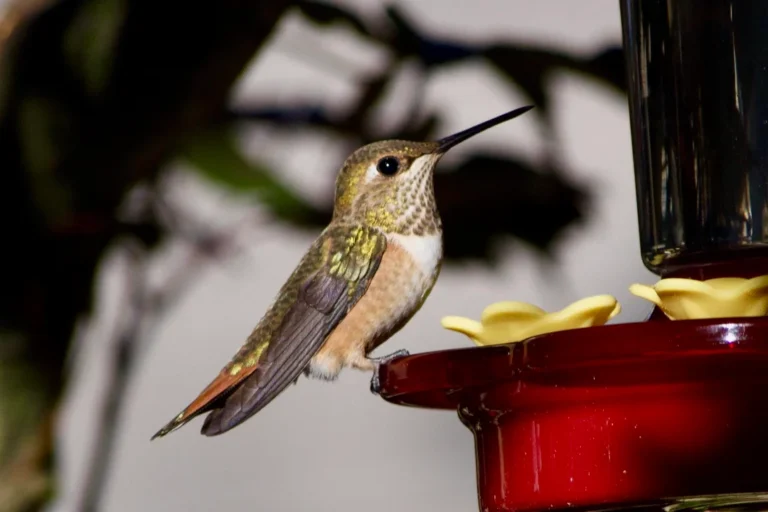
If you enjoy watching hummingbirds, you probably use a feeder filled with sweet nectar. Many people wonder the same thing after filling their feeder for the first time. Does sugar water for hummingbirds go bad?
From my own time watching hummingbirds in the garden, I can say this is a very important question. Hummingbirds depend on clean nectar. They visit feeders many times every day, and the food we provide should always be fresh.
Sugar water may seem simple because it is only sugar and water. But it can spoil faster than many people expect. Heat, sunlight, and bacteria can change the nectar in just a short time. When that happens, hummingbirds may stop drinking from the feeder.
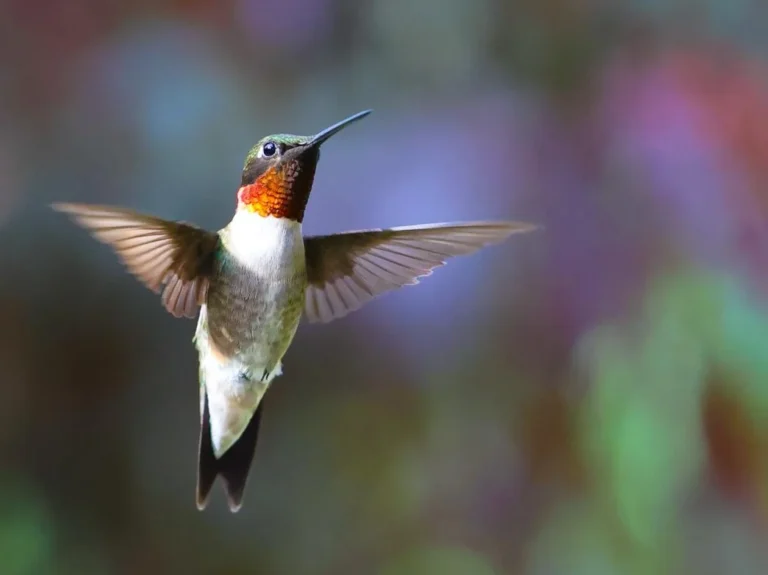
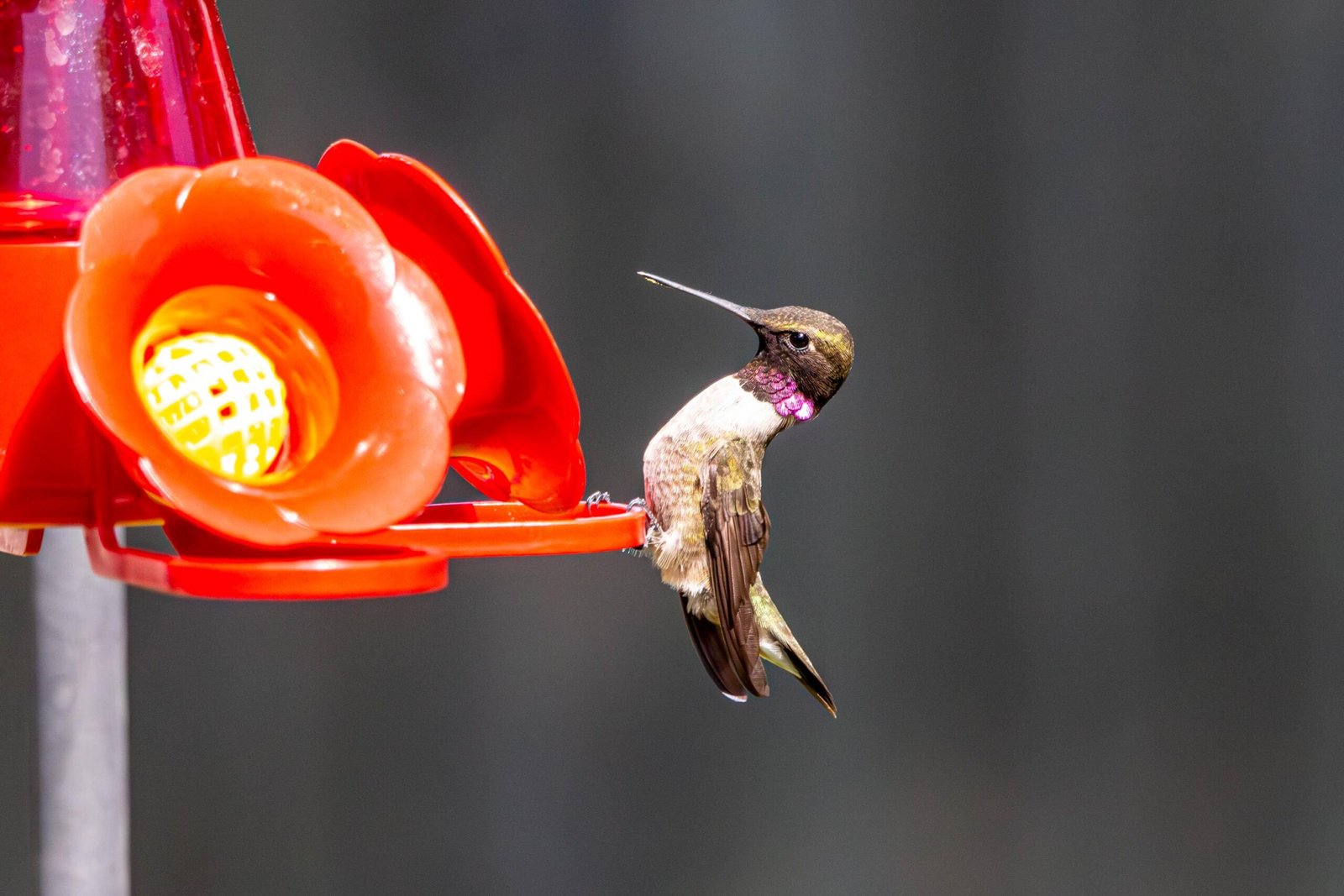
I have noticed that when the nectar is fresh, hummingbirds return again and again. They hover near the feeder, take a quick sip, and then fly to the next flower. But when nectar sits too long, they sometimes check the feeder once and leave.
Learning how long nectar lasts and when to change it helps keep hummingbirds healthy. It also keeps them coming back to your yard. Fresh nectar makes a big difference for these tiny birds that burn a lot of energy every day.
Main Explanation of the Topic
Yes, sugar water for hummingbirds can go bad. Even though the recipe is simple, the mixture does not stay fresh forever.
When I first started using feeders, I assumed the sugar would keep the water fresh for a long time. After watching the feeders more closely, I realized that nectar can spoil faster than people expect. Warm weather, sunlight, and small bits of dirt from birds can quickly change the nectar.
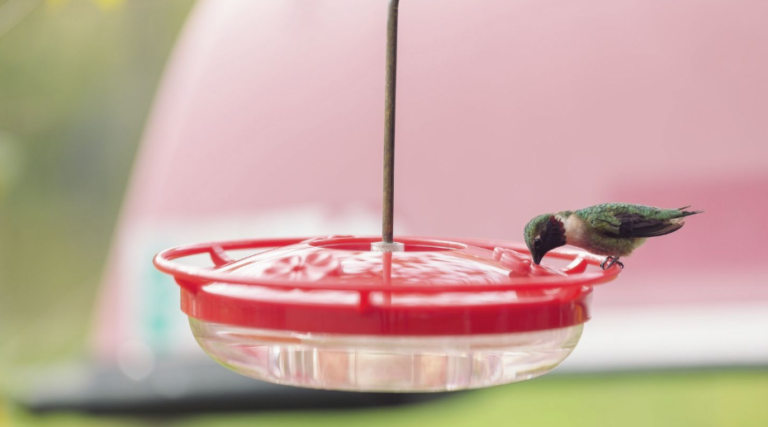
Hummingbirds drink from the feeder many times during the day. Their tiny tongues go in and out of the feeding ports. Each visit can bring in small bacteria from their beaks. Over time, those bacteria start to grow in the sugar water.
Heat makes the problem worse. On warm summer days in many parts of the United States, nectar can start going bad in just two days. In very hot weather, it can spoil even faster.
When sugar water begins to spoil, several things may happen. The nectar can become cloudy. Sometimes small bubbles appear. In other cases, mold begins to grow around the feeder ports.
I have also noticed a change in hummingbird behavior when nectar is no longer fresh. The birds may fly to the feeder, pause for a moment, and then leave without drinking much. Hummingbirds have excellent senses and can detect when something is wrong.
Fresh nectar smells clean and looks clear. When it starts to spoil, it may look dull or slightly cloudy. That is a good sign that the feeder needs to be cleaned and refilled.
Another reason nectar spoils is fermentation. When sugar water sits in warm temperatures, natural yeast in the air can start breaking down the sugar. This process turns the nectar into something hummingbirds should not drink.
Because hummingbirds rely on quick energy from sugar, it is important to give them nectar that is safe and clean. Fresh sugar water closely mimics the natural nectar they drink from flowers.
Important Hummingbird Facts Related to This Topic
Hummingbirds rely on nectar more than most birds rely on any single food source. When you watch them closely, you quickly see how often they feed. A hummingbird may visit a feeder many times in one day. Each visit gives the bird a quick burst of energy.
Their bodies burn energy very fast. Their wings beat extremely quickly while hovering in front of flowers or feeders. Because of this, hummingbirds need sugar-rich food throughout the day.
Hummingbirds Feed Many Times Every Day
From what I have seen in my garden, a hummingbird rarely drinks for long. It usually takes a few quick sips and then flies off. A few minutes late, it may return
They move between feeders and flowers all day long. This constant feeding helps them keep their energy levels up.
Since they drink often, the quality of the nectar matters. If sugar water for hummingbirds goes bad, the birds may not get the clean energy they need.
Hummingbirds Can Sense When Nectar Is Not Fresh
One interesting thing I have noticed is that hummingbirds are very good at checking feeders. They often hover for a second before drinking.
If the nectar is fresh, they drink right away. If something seems wrong, they sometimes pull back and leave.
This behavior suggests that hummingbirds can detect when nectar has changed. When sugar water for hummingbirds goes bad, they may avoid the feeder.
Warm Weather Changes Nectar Quickly
In many parts of the United States, summer heat can be intense. Warm temperatures speed up the process that causes nectar to spoil.
On cooler days, nectar can stay fresh longer. But during hot weather, the feeder may need cleaning every couple of days.
Sunlight also plays a role. Feeders that sit in direct sun often warm up faster, which can cause nectar to spoil sooner.
Natural Flower Nectar Is Always Fresh
In nature, hummingbirds move from flower to flower. Plants constantly produce fresh nectar.
This means wild hummingbirds rarely drink the same nectar for very long. When we use feeders, we are creating a small nectar source that stays in one place.
Because of that, it becomes our job to keep the nectar fresh.
Clean Feeders Help Protect Hummingbirds
Another important fact many beginners do not realize is that dirty feeders can harm hummingbirds.
Mold and bacteria can grow inside the feeder if it is not cleaned regularly. When sugar water for hummingbirds goes bad, mold may start forming around the feeding holes.
Cleaning the feeder well and replacing the nectar keeps the birds safe. It also encourages them to return again and again.
Common Mistakes People Make
Many beginners start feeding hummingbirds with good intentions. But small mistakes can cause nectar to spoil quickly. I have seen some of these problems myself while helping friends set up feeders.
Knowing these common mistakes can help keep hummingbirds safe and happy.
Leaving Nectar in the Feeder Too Long
One of the most common mistakes is leaving nectar in the feeder for too many days.
Some people think sugar water lasts for a week or longer. In reality, nectar often needs to be replaced every two or three days. In hot weather, it may need to be changed even sooner.
When sugar water for hummingbirds goes bad, birds may stop using the feeder. I have watched hummingbirds visit once and then ignore the feeder after that.
Fresh nectar always brings them back.
Not Cleaning the Feeder Properly
Another mistake is refilling the feeder without cleaning it first.
Even if the nectar looks clear, bacteria and mold can start growing inside the feeder. Simply adding new nectar on top of old nectar does not solve the problem.
A quick rinse with warm water and a gentle brush makes a big difference. Clean feeders help keep hummingbirds healthy.
Placing the Feeder in Strong Sunlight
Feeders that sit in direct sun all day can heat up quickly. Warm nectar spoils faster.
I usually hang feeders where they get some shade during the day. This helps the sugar water stay fresh longer.
A shaded feeder also seems to attract more hummingbirds since the nectar stays cool.
Making Nectar with the Wrong Sugar Ratio
Some beginners add too much sugar because they think it helps attract more birds.
Hummingbirds do not need extra-sweet nectar. The natural recipe is simple: one part white sugar and four parts water.
When the mixture is too strong, it can spoil faster and may not be good for the birds.
Using Honey or Artificial Sweeteners
This mistake can be harmful. Hummingbirds should only drink plain white sugar mixed with water.
Honey can grow fungus very quickly. Artificial sweeteners do not provide the energy hummingbirds need.
Keeping the nectar simple is always best.
Helpful Tips From a Hummingbird Watcher
After many seasons of watching hummingbirds visit feeders, I have learned a few habits that help keep nectar fresh and birds returning every day.
Change Nectar More Often During Hot Weather
Temperature plays a big role in how quickly nectar spoils.
When the weather is cool, nectar may last three or four days. When temperatures rise, I usually change the nectar every two days.
During very hot summer days, I sometimes change it every day.
This simple routine keeps the feeder fresh and active.
Watch the Birds for Clues
Hummingbirds often show signs when something is wrong.
If they visit the feeder less often or hover without drinking, it may be time to clean the feeder.
Bird behavior can tell you a lot.
Use Smaller Feeders if You Have Few Birds
If only a few hummingbirds visit your yard, a large feeder may hold more nectar than they drink.
Using a smaller feeder helps keep the nectar fresh because it gets replaced more often.
Clean the Feeder Every Time You Refill It
I always rinse the feeder and gently scrub the feeding ports before adding new nectar.
This removes mold and keeps the feeder safe for birds.
A clean feeder also helps hummingbirds trust the feeding spot.
Place Feeders Near Flowers
Hummingbirds naturally look for nectar in flowers. Placing feeders near colorful plants often helps them find the feeder faster.
I have noticed that feeders near red flowers or flowering shrubs get the most attention.
Once hummingbirds discover the feeder, they usually remember where it is.
Frequently Asked Questions
How long does sugar water last in a hummingbird feeder?
In mild weather, nectar can stay fresh for about two to three days. In hot weather, it may spoil in one or two days. Changing the nectar often keeps hummingbirds healthy and active.
How can you tell if hummingbird nectar has gone bad?
Spoiled nectar may look cloudy or have small bubbles. Mold can sometimes appear around the feeding holes. When sugar water for hummingbirds goes bad, hummingbirds may also stop drinking from the feeder.
Should hummingbird feeders be cleaned every time?
Yes. Cleaning the feeder every time you refill it helps prevent mold and bacteria. A quick rinse and gentle scrub keep the feeder safe for hummingbirds.
Can hummingbirds get sick from bad nectar?
Yes. Mold and bacteria can grow in spoiled nectar. Drinking contaminated nectar may harm hummingbirds. Keeping feeders clean and nectar fresh helps protect them.
Is boiling water necessary when making nectar?
Boiling water is helpful but not always required. Many people boil the water to help the sugar dissolve and remove impurities. After boiling, the nectar should cool before adding it to the feeder.
Conclusion
Fresh nectar is one of the most important things you can provide for hummingbirds. While the recipe is simple, sugar water does not stay fresh forever.
Yes, sugar water for hummingbirds can go bad. Heat, sunlight, bacteria, and time can cause nectar to spoil faster than many people expect.
Watching hummingbirds closely has taught me that they prefer clean and fresh feeders. When nectar is fresh, the birds return again and again throughout the day.
Keeping nectar fresh is simple. Change the sugar water often. Clean the feeder regularly. Place feeders where they get some shade.
These small habits make a big difference.
With fresh nectar and a clean feeder, your yard can become a favorite stop for hummingbirds all season long. Watching these tiny birds hover and feed is one of the most enjoyable sights in any garden.

Sheri L. Williamson is a naturalist and hummingbird researcher. She studies hummingbirds and works to protect them. She is also the author of A Field Guide to Hummingbirds of North America in the Peterson Field Guide Series.