Colored Pictures Of Hummingbirds | Beautiful Bird Images
I spend a lot of time watching hummingbirds in my garden. Every day, I see how their colours change in the light. One moment they look dark, and the next moment they shine like tiny jewels.
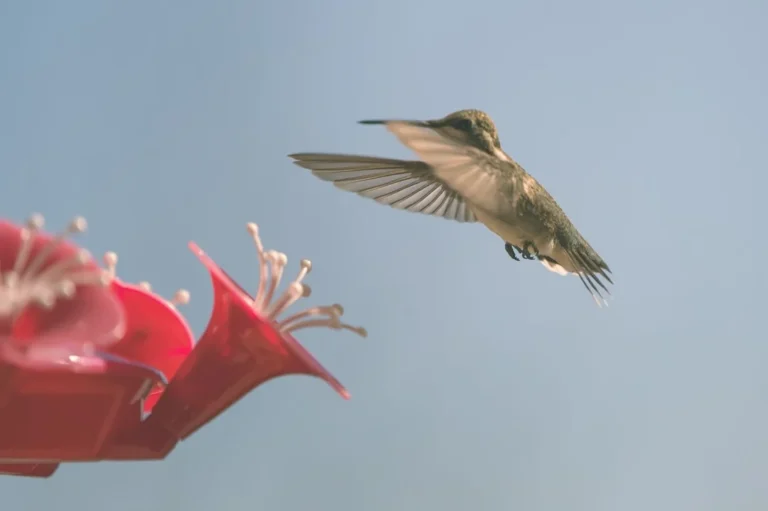
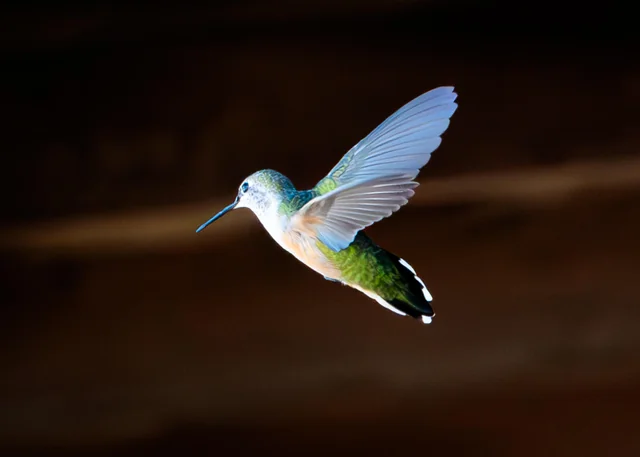
That is why people love looking at colored pictures of hummingbirds. These pictures help show what the eye sometimes misses. In real life, their colours flash so fast that it is easy to miss the details.
When I first started watching them, I thought they were just green birds. But after spending more time with them, I noticed reds, blues, purples, and even golden shades. Good pictures can capture these moments and help you understand how special they really are.
If you are new to hummingbirds, colored pictures are a great way to learn. They show patterns, feather details, and behaviour that you might not notice at first.
Let me walk you through what I have learned from both watching them closely and studying colours in real life.
I spend a lot of time watching hummingbirds in my garden. Every day, I see how their colours change in the light. One moment they look dark, and the next moment they shine like tiny jewels.
That is why people love looking at colored pictures of hummingbirds. These pictures help show what the eye sometimes misses. In real life, their colours flash so fast that it is easy to miss the details.
When I first started watching them, I thought they were just green birds. But after spending more time with them, I noticed reds, blues, purples, and even golden shades. Good pictures can capture these moments and help you understand how special they really are.
If you are new to hummingbirds, colored pictures are a great way to learn. They show patterns, feather details, and behaviour that you might not notice at first.
Let me walk you through what I have learned from both watching them closely and studying their colours in real life.
Important hummingbird facts related to this topic
Looking at colored pictures of hummingbirds helps you understand how their colours really work. From watching them every day, I can tell you that what you see in pictures is only part of the story.
Hummingbirds do not have colour in the same way most birds do. Their feathers reflect light. This is why their colour changes when they move. I have seen the same bird look dark one second and bright green the next. It all depends on the angle of the sun.
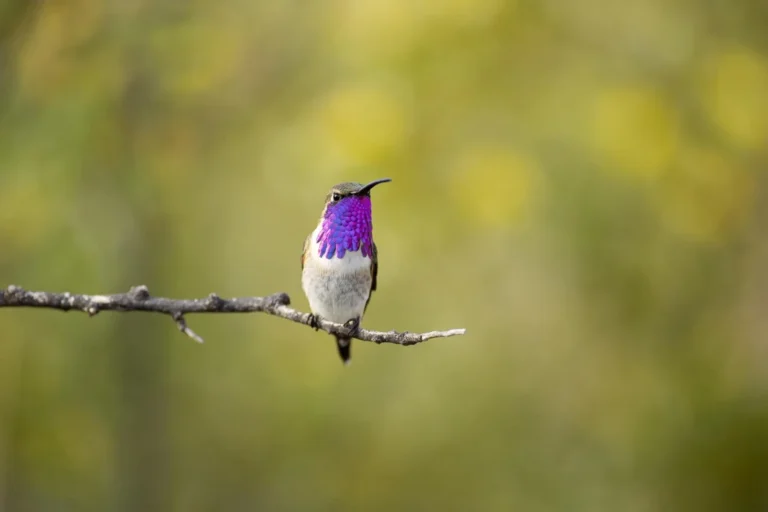
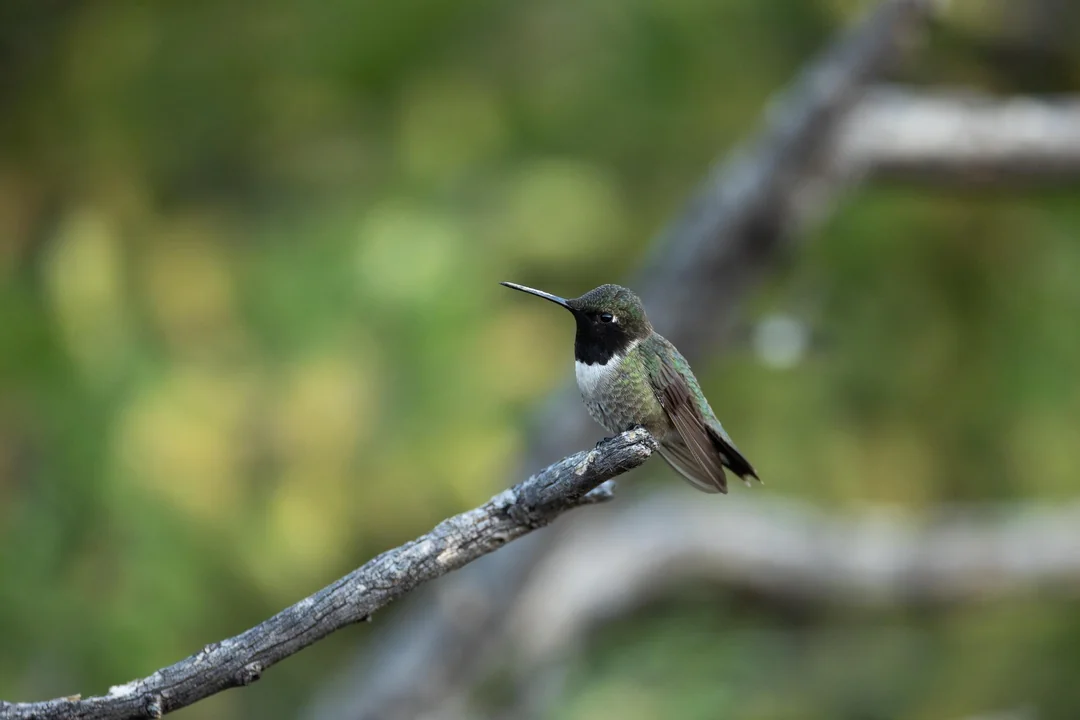
Male hummingbirds are usually more colourful than females. I often see males flashing bright red or pink on their throats. This area is called the gorget. They use it to attract females and also to warn other males. When two males meet near a feeder, they often flare their throats and chase each other away.
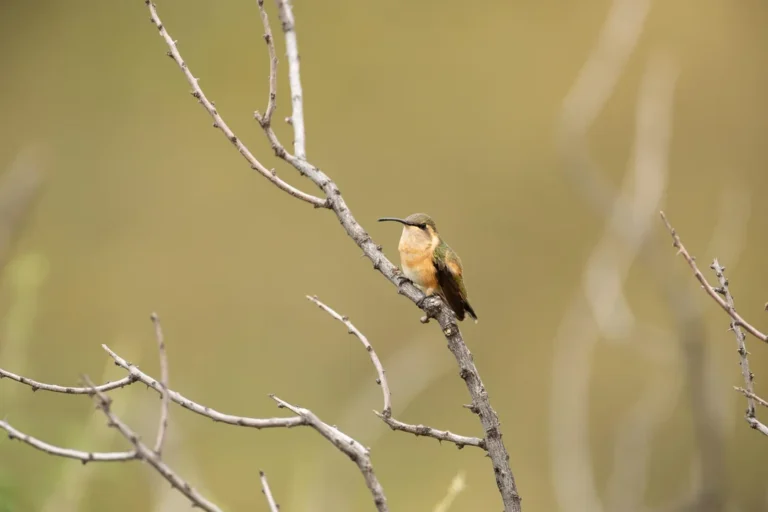
Females are softer in colour. Most of the ones in my garden look green with a light belly. Their colours help them stay hidden, especially when they sit on a nest. Pictures of females may look simple, but when you watch closely, you can still see a soft shine in their feathers.
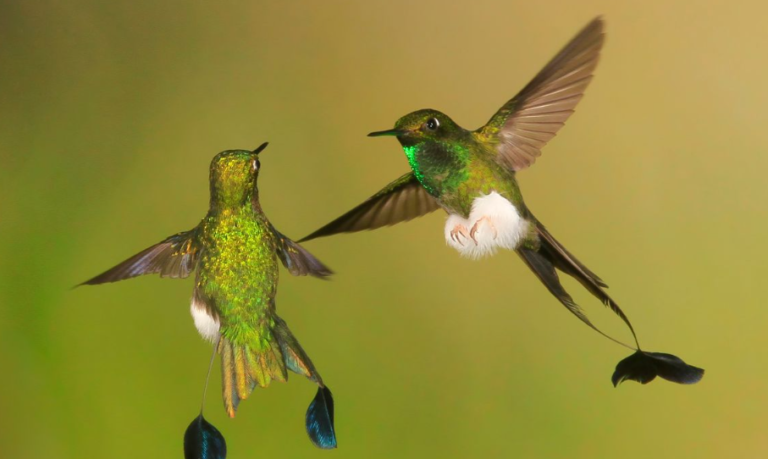
Another thing I notice is how fast they move. Their wings beat so quickly that you rarely see them clearly with your eyes. That is why pictures are helpful. They can freeze the moment and show the wing shape and feather detail.
Hummingbirds also change their appearance depending on the light. On cloudy days, their colours look more muted. On bright sunny days, they look much more colourful. I always notice more shine in the late afternoon when the sun is lower.
Their size is also very small. As a result, colours appear more intense in close-up pictures. In real life, you may need to watch patiently to notice the same details.
One interesting behaviour I often see is how they turn their heads while feeding. They do this to catch the light. When they turn just right, their throat lights up. It almost looks like a signal. Pictures often capture this exact moment.
If you spend enough time watching them, you will start to notice patterns. Each bird has its own way of moving and showing colour. Some are bold and often show their colours. Others stay more hidden.
Colored pictures of hummingbirds help you learn these small details. But real observation helps you understand why those colours appear the way they do.
Common mistakes people make
One mistake I see often is thinking hummingbirds always look bright and colourful. That is not true. Many times, they look plain or even dark. I have watched people look at a bird and say it has no colour. Then, a second later, the bird turns and shines bright green or red. Pictures can give the wrong idea if you expect them always to look that colourful.
Another mistake is trusting only one picture. A single photo shows just one moment. It does not show how the bird looks under different lighting conditions. I always tell beginners to look at many colored pictures of hummingbirds, not just one. This helps you understand how much their appearance can change.
Some people also think all hummingbirds look the same. From my experience, that is not true at all. Even birds that look similar at first have small differences. The colour of the throat, the shape of the tail, and even how they move can vary. Pictures help, but really watching teaches you more.
A common mistake with photos is focusing only on colour and ignoring behaviour. I have learned that how a hummingbird moves tells you a lot. Some are very bold and chase others away. Some stay quiet and visit quickly. Pictures do not always show this side of them.
Another mistake is expecting perfect lighting all the time. In real life, you will not always get a clear view. Often, the bird is in the shade or moving too fast. That is normal. I have spent many days watching them without seeing that bright flash that people expect.
Helpful tips from a hummingbird watcher
If you want to enjoy colored pictures of hummingbirds more, try to connect them with real observation. Sit near a feeder or a patch of flowers and watch quietly. Even a few minutes each day makes a big difference.
Morning and late afternoon are the best times to see the colour. I notice the light is softer then, and their feathers shine more. Midday light can be too harsh, and colours may not look as rich.
Place your feeder where sunlight can reach it. I moved mine a few times before I found the perfect spot. Once I did, I started seeing much brighter colours when the birds came in.
Be patient. Hummingbirds are fast, and theicolour flashes quickly. I have learned to stay still and watch closely. Over time, you’re noticing small details you missed before.
Try to watch the same bird again and again. I have a few regular visitors, and I can now tell them apart by their behaviour and slight colour differences. Pictures helped me at first, but really watching helped me understand them.
Also, do not rely only on pictures from the internet. Use them as a guide, but trust what you see with your own eyes. Every garden is a little different, and each bird may act in its own way.
If you ever take your own pictures, keep the background simple. I noticed that birds look much clearer when there is less going on behind them. Even in my own yard, a clean background makes a big difference.
The more time you spend watching, the more those colours start to make sense. What looks like a simple bird at first turns out to be something much more interesting.
Frequently Asked Questions
Do hummingbirds really have bright colours all the time?
No, they do not. Most of the time, they can look dark or plain. Their bright colours show when light hits their feathers at the right angle. This is something I see every day in my garden.
Why do hummingbirds look different in pictures and real life?
Pictures capture one perfect moment. In real life, hummingbirds move fast, and light changes quickly. That is why they may not always look as colourful as in photos.
Which hummingbird is the most colourful?
From what I have seen, male hummingbirds are usually the most colourful T. ThRu. The Ruby-throated hummingbird is common in the United States and shows a bright red throat in sunlight.
Can I use pictures to identify hummingbirds in my yard?
Yes, you can. I did the same when I started. Look at many pictures and compare them with what you see. Pay attention to the colour of the throat, body shape, and behaviour.
Why do hummingbirds flash their throat colours?
They use it for communication. I often see males showing their bright throat to attract females or to warn other males to stay away.
Conclusion
Colored pictures of hummingbirds are beautiful and helpful, but they only show part of the story. Real beauty comes from watching these birds in motion and seeing how their colours change with the light.
From my time observing them, I have learned that patience is key. The more you watch, the more details you notice. What looks simple at first becomes full of colourful life.
Use pictures to learn, but also take time to sit quietly and watch. That is when you truly understand how special hummingbirds are.

Sheri L. Williamson is a naturalist and hummingbird researcher. She studies hummingbirds and works to protect them. She is also the author of A Field Guide to Hummingbirds of North America in the Peterson Field Guide Series.