Hummingbird Sugar To Water | Correct Nectar Ratio
I still remember the first time I put out a feeder in my yard. It took a few days, but once the first hummingbird found it, everything changed. Now I see them every morning, hovering, chasing, and sipping like tiny flying jewels.
If you want to attract them, getting the hummingbird sugar-to-water mix right is very important. I learned this by watching how they react to different feeders and nectar. When the mix is right, they keep coming back again and again.
Hummingbirds depend on nectar for energy. In nature, they drink from flowers all day. When we use feeders, we are trying to copy that natural food. The closer we get to the right mix, the happier and healthier they are.
Over time, I noticed something simple. When the sugar-to-water ratio is correct, hummingbirds feed calmly and often. When it is wrong, they either ignore the feeder or act restless.
This guide will help you understand the right hummingbird sugar-to-water ratio and how to use it the way I do in my own yard. I will share what I have seen, what works best, and how you can attract more hummingbirds with confidence.
Main Explanation of the Hummingbird Sugar to Water Ratio
From what I have seen in my own yard, the best hummingbird sugar-to-water mix is very simple. You use 1 part white sugar to 4 parts water.
So if I take one cup of sugar, I mix it with four cups of water. That is the ratio I always use. I have tried small changes before, but the birds clearly prefer this one.
When the mix is right, hummingbirds stay longer at the feeder. They come back many times during the day. I often see the same bird returning to the same spot. That tells me the nectar feels natural to them.
Here is how I prepare it step by step in my kitchen.
- First, I boil the water. This helps clean the water and allows the sugar to dissolve more easily.
- Then I add the sugar and stir until it dissolves completely. The water should look clear, not cloudy.
- After that, I let it cool down completely. I never pour hot nectar into the feeder. That can harm the birds.
- Once it is cool, I fill the feeder and place it outside.
I always use plain white sugar. I never use honey, brown sugar, or artificial sweeteners. I learned this the hard way early on. The birds did not like it, and it can be harmful to them.
One thing I noticed is that hummingbirds are very sensitive. If the hummingbird sugar-to-water mix is too strong, they take quick sips and then leave. If it is too weak, they do not stay long.
But when the ratio is right, they relax. They hover calmly and drink steadily. Sometimes they even perch nearby after feeding.
I also watch how often they visit. A good mix brings them back every day. During warmer months, I see activity from sunrise until evening.
Another small detail I learned is consistency. If you keep changing the mix, hummingbirds notice. I keep the same ratio every time, and they trust the feeder.
Cleanliness also matters a lot. Even with the right hummingbird sugar-to-water ratio, dirty feeders will drive them away. I rinse my feeders often and refill with fresh nectar.
In natural areas, flowers usually have a similar sugar level. That is why this simple mix works so well. We are just copying what they already know.
Important Hummingbird Facts Related to This Topic
Watching hummingbirds every day has taught me that they are both very active and very picky. Thummingbird’s sugar-to-water ratio plays a big role in how it behaves.
One thing I notice often is how frequently they feed. Hummingbirds eat many times each hour. They burn energy fast because their wings move so quickly. That is why they need a steady and reliable food source.
When the nectar mix is right, they do not rush. They take small, steady sips. If the mix is off, they act differently. They may come in, taste it, and leave right away.
Another interesting behavior is how they remember feeders. I have seen the same hummingbird return to the exact feeder every day. It is like they know where the good food is. If your hummingbird sugar-to-water mix is correct, they will keep coming back.
They are also very protective. Sometimes one hummingbird will guard the feeder and chase others away. I see this a lot in the early morning. Even then, the bird keeps coming back to drink because it trusts the nectar source.
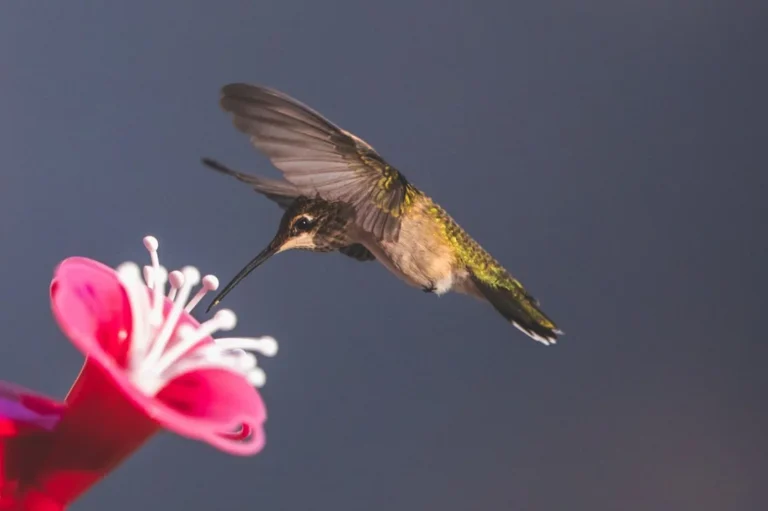
Hummingbirds also rely on natural nectar from flowers. In my garden, I see them move between flowers and the feeder. This tells me the feeder is only part of their diet. Still, the sugar water helps them when flowers are not enough.
The weather also affects their feeding. On hot days, they visit more often. The heat drains their energy faster. On cooler days, they still come, but not as frequently.
Migration is another thing I have observed. During migration season, I suddenly see more hummingbirds than usual. They need extra energy for long flights. A proper hummingbird sugar-to-water mix becomes even more important at that time.
I also noticed that they prefer fresh nectar. If the feeder sits too long, they avoid it. Even if the ratio is correct, old nectar will turn them away. That is why I change it often.
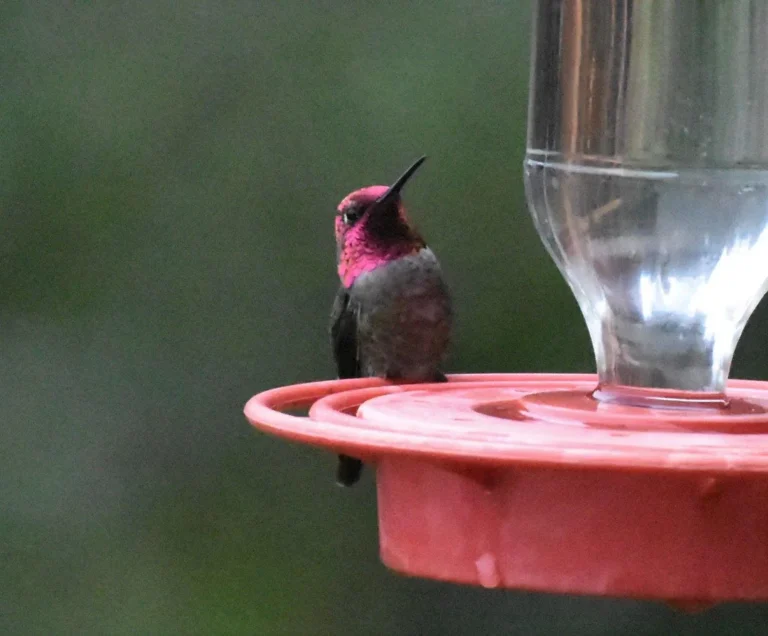
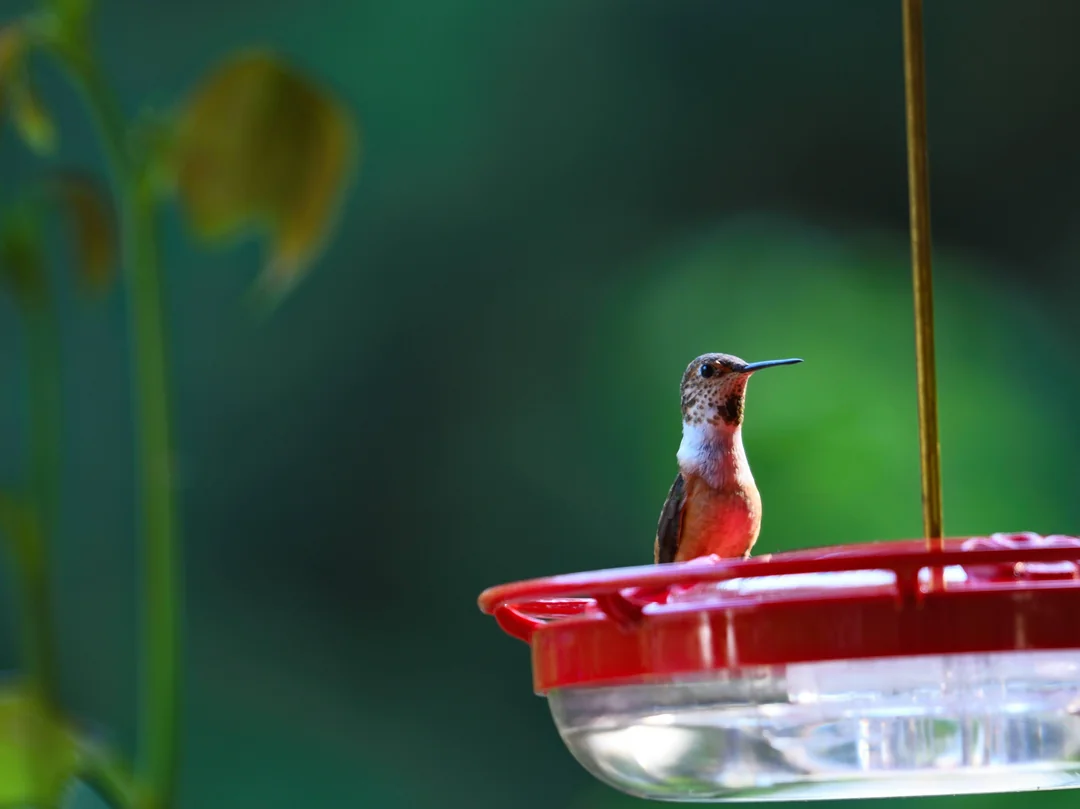
Another small detail is color. Hummingbirds are attracted to red. Most feeders have red parts, which help them find food faster. But the nectar itself should always be clear. I never add any coloring.
One thing that always amazes me is how alert they are. They notice changes quickly. If you move the feeder or change the nectar mix, they react almost right away.
All these behaviors connect back to one simple thing. When the hummingbird’s sugar-to-water ratio is right, the feeder is clean, and they feel safe and comfortable.
Common Mistakes People Make
I have made many mistakes over the years, especially when I first started. Hummingbirds helped me learn just by how they reacted.
One big mistake is using the wrong ratio of hummingbird sugar to water. Some people add too much sugar, thinking it will attract more birds. I tried that once. The birds came close, tasted it, and left quickly. It was too strong for them.
Another common mistake is using honey or brown sugar. I tested this early out of curiosity. The result was clear. The birds did not like it. Honey can also grow harmful stuff in warm weather, which is not safe for hummingbirds.
Some people add red dye to the nectar. I never do that. Hummingbirds are already drawn to the red parts of the feeder. The liquid should always stay clear.
Dirty feeders are another problem I see often. Even with the correct hummingbird sugar-to-water mix, a dirty feeder will push birds away. I have watched hummingbirds come close, look around, and leave without drinking when the feeder was not clean.
Letting nectar sit too long is also a mistake. In warm weather, sugar water can spoil quickly. When that happens, the birds avoid it. I make it a habit to refresh the nectar every few days, sometimes sooner when it is hot.
Some people place feeders in the wrong spot. If the feeder is in direct, strong sunlight all day, the nectar can spoil more quickly. I prefer a place with some shade. The birds seem more comfortable there, too.
Another mistake is changing the mix too often. Hummingbirds notice small changes. The hummingbird’s water-to-food ratio keeps changing; they may not trust the feeder.
I have also seen people fill the feeder too much. If you do not have many birds yet, the nectar may sit too long and go bad. I started with small amounts and increased them as more birds came.
Helpful Tips From a Hummingbird Watcher
Over time, I picked up small habits that made a big difference. These are simple, but they work.
Keep the ratio consistent. I always use one part sugar and four parts water. The birds know what to expect and return daily.
Clean the feeder regularly. I rinse mine well and make sure there is no sticky buildup. Clean feeders bring more visits.
Place feeders where you can see birds, but where they feel safe. I like spots near plants or small trees. Hummingbirds often rest nearby between feeds.
Refill with fresh nectar often. In hot weather, I change it more frequently. Fresh nectar keeps the birds active and healthy.
Watch their behavior. This is something I enjoy every day. If they are feeding calmly and returning often, you are doing it right. If they seem unsure or stop coming, something may need to be adjusted.
Add more than one feeder if you notice fighting. I did this in my yard, and it reduced the need to chase. More birds got a chance to feed peacefully.
Be patient. When I first started, it took a while for hummingbirds to find my feeder. But once they did, they kept coming back season after season.
These small steps, along with the right hummingbird sugar-water mix, can turn any yard into a regular stop for hummingbirds.
Frequently Asked Questions
What is the best hummingbird sugar-to-water ratio?
The best mix is 1 part white sugar to 4 parts water. I use this every time. When I stick to this ratio, hummingbirds visit often and stay longer.
Do I need to boil the water?
Yes, I always boil the water first. It helps the sugar dissolve fully and keeps the nectar clean. I let it cool before filling the feeder.
Can I use brown sugar or honey?
No, I never use those. From what I have seen, hummingbirds avoid it, and it can be harmful to them. Plain white sugar is the safest choice.
How often should I change the nectar?
In warm weather, I change it every two to three days. When it is cooler, I may wait a little longer. Fresh nectar keeps the birds coming back.
Why are hummingbirds not coming to my feeder?
There can be a few reasons. The hummingbird sugar-to-water mix might be wrong, the feeder may be dirty, or the location may not feel safe. I usually fix these things and wait a bit. Once they trust the feeder, they return regularly.
Conclusion
From my daily time watching hummingbirds, I can say that small details make a big difference. The right hummingbird sugar-to-water ratio is one of the most important parts.
When you use one part sugar and four parts water, you are giving them something close to what they find in nature. They respond quickly to it. They visit more often, stay longer, and come back day after day.
Clean feeders, fresh nectar, and a good location all help too. But the mix is the foundation.
If you stay consistent and pay attention to their behavior, you will start to understand them better. That is what made it enjoyable for me.
Before long, you will not just be feeding hummingbirds. You will be watching them, learning from them, and looking forward to their visits every single day.

Sheri L. Williamson is a naturalist and hummingbird researcher. She studies hummingbirds and works to protect them. She is also the author of A Field Guide to Hummingbirds of North America in the Peterson Field Guide Series.