Praying Mantis Attacks Hummingbird | Facts And Prevention Tips
I spend a lot of time watching hummingbirds in my garden. They come every day, especially in the early morning and late afternoon. I have seen many peaceful moments, but I have also seen something that surprised me the first time.
A praying mantis attacks a hummingbird more often than most people think.
It sounds strange because hummingbirds are fast and alert. But I have seen a mantis sit very still near a feeder, waiting. The hummingbird flies in to drink, and in a split second, the mantis strikes.
This is not a common sight, but it does happen.
If you keep feeders in your yard, it is important to understand this behaviour It can help you protect the birds that visit you every day.
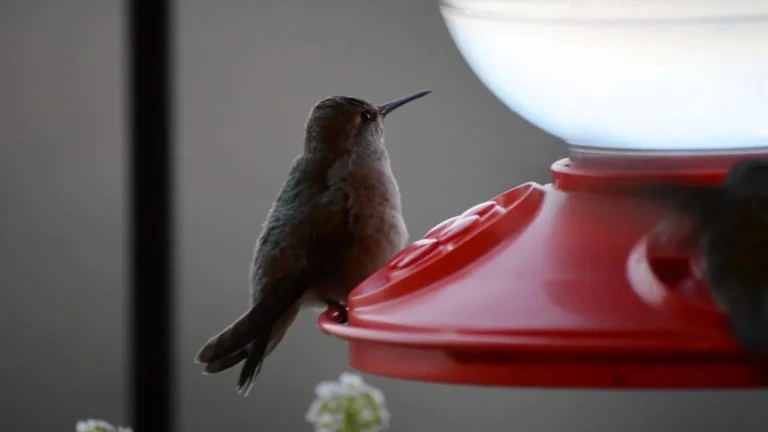
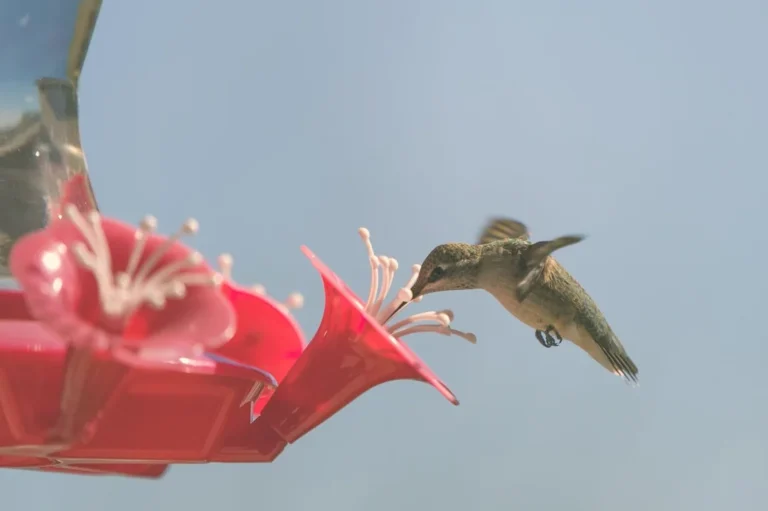
The first time I saw a praying mantis attack a hummingbird, I did not believe my eyes. I was standing a few feet away from my feeder. A hummingbird came in like it always does, hovered for a second, and then everything changed.
A green praying mantis was sitting right on the feeder. It looked calm and still. When the hummingbird moved close, the mantis grabbed it in a flash.
Hummingbirds are very fast. They can fly in all directions and even hover in place. But they have one weak moment. That’s when they stop and focus on feeding.
That is when a mantis has the advantage.
A praying mantis is an ambush hunter. It does not chase. It waits. It blends in with leaves or sits quietly on feeders. It uses its front legs to grab prey with strong spikes. Once it catches something, it holds tight.
I have noticed that mantises often choose places where hummingbirds feel safe. Feeders are a perfect spot. The birds come back again and again, so the mantis learns to wait there.
Most of the time, hummingbirds escape. They are quick and alert. But if they get too close, especially when they are focused on drinking, they can get caught.
This is more likely to happen in warm months. That is when both hummingbirds and mantises are active. I usually see mantises around late summer when they are fully grown and hunting more.
Another thing I have noticed is that mantises do not always succeed. Sometimes they strike and miss. The hummingbird flies away instantly. After a close call, that same bird often becomes more careful around the feeder.
Still, even one successful attack is too much if you care about these birds.
That is why it is important to understand how and why a praying mantis attacks a hummingbird. When you know what to look for, you can make your feeder area safer.
Important hummingbird facts related to this topic
When you watch hummingbirds every day, you start to notice small habits that matter. These habits explain why a praying mantis can attack a hummingbird, even though the bird is so fast.
Hummingbirds are very focused when they feed.
When a bird comes to the feeder, it often ignores everything else for a few seconds. I have seen birds hover in the same spot and drink without looking around. That short moment is when they are most at risk.
They return to the same feeder again and again.
Hummingbirds remember good food sources. Once they trust your feeder, they will visit it many times a day. I have seen the same bird come back every few minutes. This routine makes it easy for a mantis to learn their pattern.
They are curious but also trusting.
Young hummingbirds, especially, will explore without much caution. I have noticed that the younger birds get closer to and are more familiar with large objects than older ones are. This can put them in danger if a mantis is nearby.
They often perch near feeders.
Not every hummingbird just hovers and leaves. Sometimes they sit on a nearby branch to rest. If a mantis is hiding nearby, it can also be risky.
They are very small and light.
A hummingbird may look powerful in flight, but it weighs very little. A large praying mantis can easily hold it if it gets a good grip.
They rely on quick reactions.
Hummingbirds survive by being fast. If they see danger in time, they escape. I have seen birds suddenly dart away for no clear reason. Later, I noticed a mantis sitting close by. The bird likely sensed it at the last second.
They learn from danger.
After a close call, hummingbirds often change their behaviour. They may approach more slowly or hover farther away before feeding. I have watched the same bird become more careful after one bad experience.
They prefer open and safe spaces.
In my garden, hummingbirds seem more relaxed at feeders that are out in the open. When feeders are too close to thick plants, they act more cautiously. This is because hidden spots can hold predators like mantises.
All of these small behaviours show why a praying mantis can attack a hummingbird. It is not because hummingbirds are weak. It is because even the fastest bird has moments when it is focused and still.
When you understand these patterns, you start to see your feeder area differently. You begin to notice what might be safe and what might not be.
Common mistakes people make
Over the years, I have seen a few simple mistakes that make it easier for a praying mantis to attack a hummingbird. Most people do not even realise they are creating risk.
Placing feeders too close to plants
This is the biggest mistake I see. People hang feeders right next to bushes or thick plants. It looks nice, but it gives a mantis the perfect hiding spot. I used to do this too. Once I moved my feeder into a more open space, I saw fewer problems.
Not checking the feeder area often.
Mantises are very still. You can walk by without noticing them at all. I now make it a habit to look closely at my feeder every day. A quick check can prevent a serious problem.
Letting insects stay on the feeder
If you see a mantis sitting on the feeder, do not ignore it. Some people think it is harmless or even helpful. But in this case, it can be dangerous for hummingbirds.
Using feeders with perches too close to the ports
Some feeders allow birds to drink very close. This can make it easier for a mantis to grab them. I prefer feeders where birds have to hover a bit more.
Keeping feeders in quiet, hidden corners
It may feel safer, but hidden spots are where predators like to stay. I have found that open areas with clear space around the feeder are much better.
Helpful tips from a hummingbird watcher
I have made small changes in my garden that helped protect the birds. These tips come from real experience.
Place feeders in open space
Try to hang your feeder where there is clear space all around it. I keep mine several feet away from bushes and walls. This makes it harder for a mantis to hide nearby.
Check feeders every day
It only takes a minute. Look at the top, sides, and nearby branches. If you see a mantis, gently remove it and move it far away from your feeding area.
Keep the area clean and simple
Avoid clutter around the feeder. Fewer hiding spots mean less risk.
Watch how birds behave.
Hummingbirds give clues. If they suddenly seem nervous or hover farther away than usual, something may be wrong. I have learned to trust their behaviour. Many times it led me to spot a hidden mantis.
Use multiple feeders
When you have more than one feeder, birds spread out. This reduces the risk of a single spot becoming dangerous.
Hang feeders at eye level
This makes it easier for you to inspect them and notice anything unusual.
Stay consistent
Hummingbirds like routine. When your setup stays safe and predictable, they feel more comfortable and alert.
These small actions can make a big difference. I still enjoy watching hummingbirds every day, but now I also stay aware of what might be hiding nearby.
Frequently Asked Questions
Do praying mantises really attack hummingbirds
Yes, they can. I have seen it myself once, and I have seen a few close calls. It is not very common, but it does happen. A large mantis can grab a hummingbird if the bird gets too close while feeding.
Why would a praying mantis attack a hummingbird??
A mantis is a hunter that waits for prey. It does not care if the prey is a small bird or an insect. If something comes close enough, it will try to grab it. Feeders bring hummingbirds to one spot again and again, so a mantis learns to wait there.
How can I tell if a mantis is near my feeder?
You have to look carefully. Mantises blend in very well. Check the feeder, the hanger, and nearby branches. If hummingbirds seem nervous or keep backing away, that is often a sign that something is wrong.
Should I remove a praying mantis from my feeder area
Yes, I always do. I gently move it to another part of the yard, far from the feeder. This helps protect the hummingbirds while still allowing the mantis to live in a natural environment.
Are hummingbirds able to escape a mantis??
Most of the time, yes. Hummingbirds are very fast and alert. I have seen many times where a mantis tried to grab and missed. But if the bird is too close and focused on feeding, it may not escape.
Conclusion
Watching hummingbirds is one of the most peaceful parts of my day. They are quick, bright, and full of life. But nature also has its tough moments.
A praying mantis attacking a bird is rare, but it is real. It usually happens when the bird is focused on feeding and the mantis is waiting in the right spot.
From what I have seen, small changes can make a big difference. Keeping feeders in open areas, checking them often, and paying attention to bird behaviour helps keep them safe.
When you spend time observing hummingbirds, you start to notice these details. You also learn how to create a space where they can feed with less risk.

Sheri L. Williamson is a naturalist and hummingbird researcher. She studies hummingbirds and works to protect them. She is also the author of A Field Guide to Hummingbirds of North America in the Peterson Field Guide Series.