What Hummingbirds Eat | Complete Guide to Their Favorite Foods
When people first see hummingbirds visiting a yard, one of the first questions they ask is simple. What do hummingbirds eat?
I spend a lot of time watching hummingbirds in gardens and natural areas. Once you sit quietly and observe them for a while, you begin to notice something interesting. These tiny birds are always searching for food. They move quickly from flower to flower, hover around feeders, and sometimes even chase small insects in the air.
Hummingbirds need a lot of energy to survive. Their wings beat extremely fast, and their bodies burn energy all day long. Because of this, they must eat many times during the day. Watching them feed is one of the most fascinating parts of observing hummingbirds.
Many people believe hummingbirds only drink sweet nectar. Nectar is important, but it is not the only thing they eat. In reality, hummingbirds have a varied diet that helps them stay healthy and strong.
Understanding what hummingbirds eat can help anyone create a yard that attracts these beautiful birds. When the right food sources are available, hummingbirds will visit often and sometimes even return year after year.
Main Explanation of the Topic
People often ask me what hummingbirds eat when they visit a yard or garden. After watching them for many seasons, the answer becomes very clear. Hummingbirds eat a mix of sweet nectar and small insects. Both are important for their survival.
Flower Nectar Is Their Main Energy Source
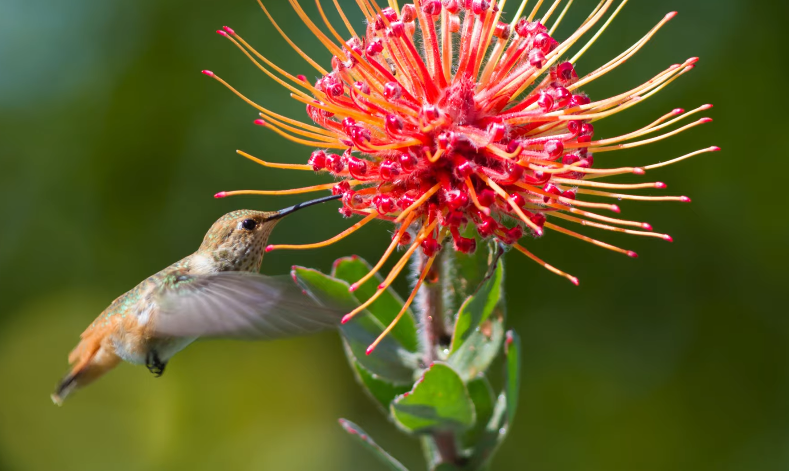
The most common food hummingbirds eat is flower nectar. Nectar is a sweet liquid found inside many flowers. It gives hummingbirds the quick energy they need to keep flying all day.
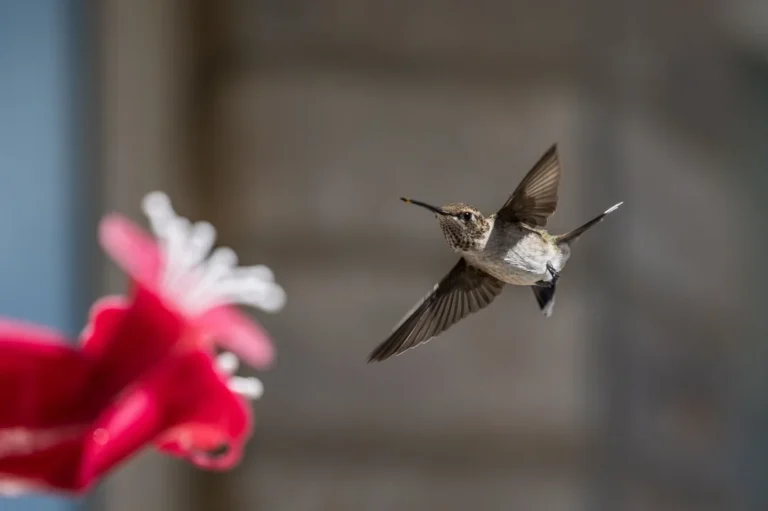
When I watch hummingbirds in a garden, they spend most of their time moving from flower to flower. They hover in front of the bloom and extend their long tongue deep inside the flower to reach the nectar.
Hummingbirds especially like bright flowers. Red, orange, and pink flowers attract them the most. I often see them visiting trumpet vine, bee balm, salvia, and columbine flowers. These plants naturally produce nectar that hummingbirds enjoy.
A hummingbird may visit hundreds of flowers in a single day. Their bodies burn energy very fast, so they must keep feeding often.
Tree Sap Can Also Attract Hummingbirds
One thing many people do not realize is that hummingbirds sometimes drink tree sap. When woodpeckers drill small holes in trees, sap can slowly leak out. Hummingbirds will visit these sap wells and drink the sweet liquid.
I have seen hummingbirds wait patiently near sap holes created by woodpeckers. They return again and again to sip the sap.
Sap does not replace nectar, but it can be a helpful food source when flowers are not blooming yet.
Small Insects Are an Important Part of Their Diet
Another surprising answer to what hummingbirds eat is insects. Hummingbirds need protein to stay healthy, especially during nesting season.
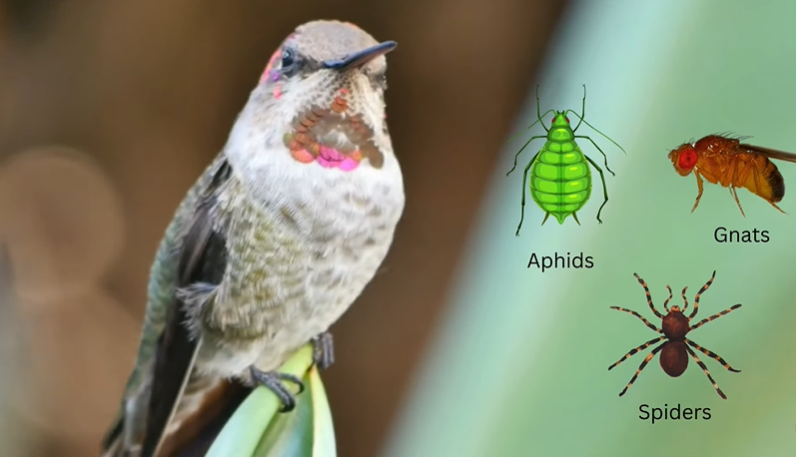
They catch very tiny insects in the air or pick them off leaves and spider webs. Some common insects hummingbirds eat include fruit flies, gnats, small spiders, and tiny beetles.
If you watch closely, you may see a hummingbird suddenly dart into the air and snap up a small insect. These quick movements happen so fast that many people miss them.
Baby hummingbirds especially depend on insects. The mother bird feeds them a mix of nectar and soft insects that provide important nutrients for growth.
Sugar Water in Feeders Helps Hummingbirds Too
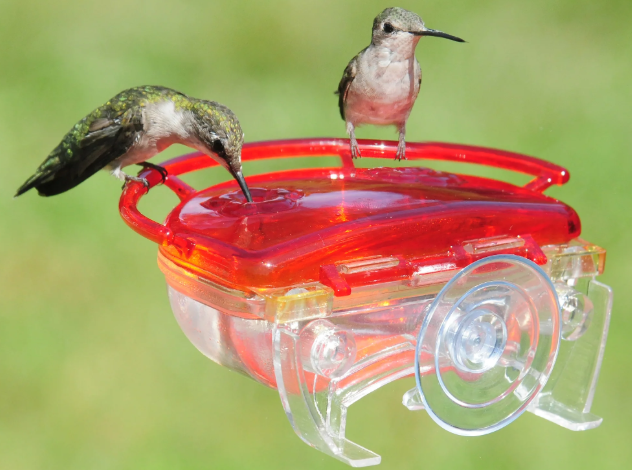
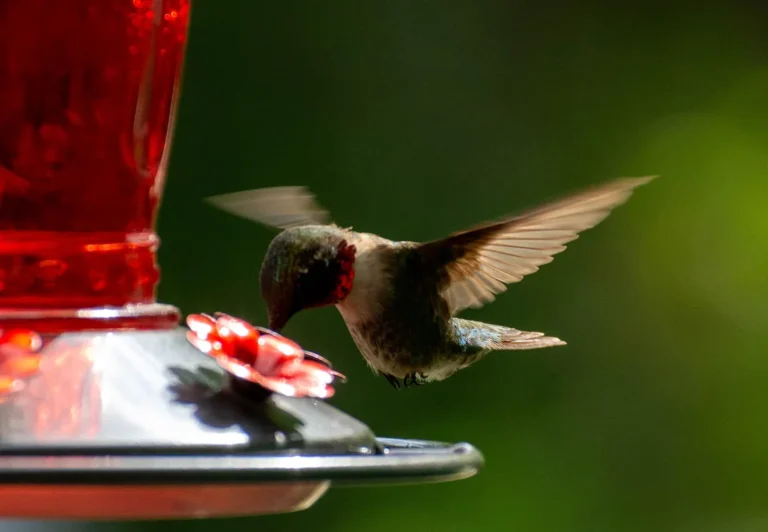
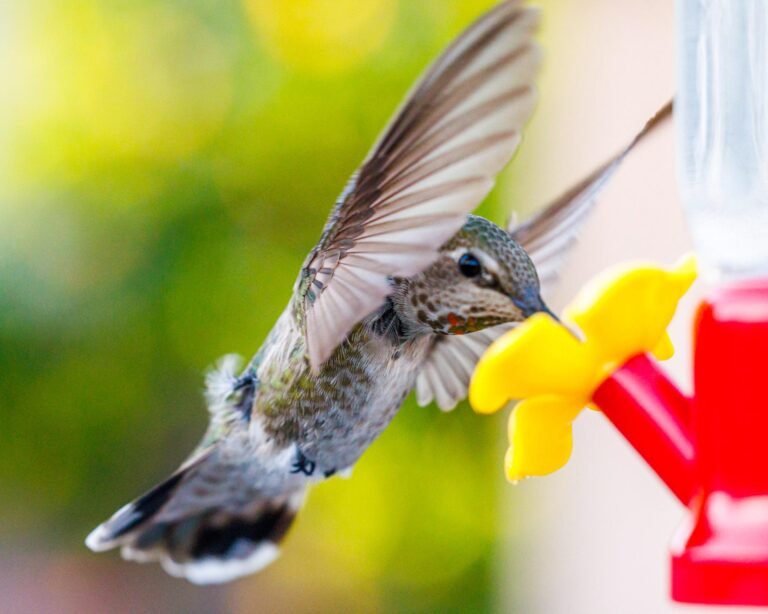
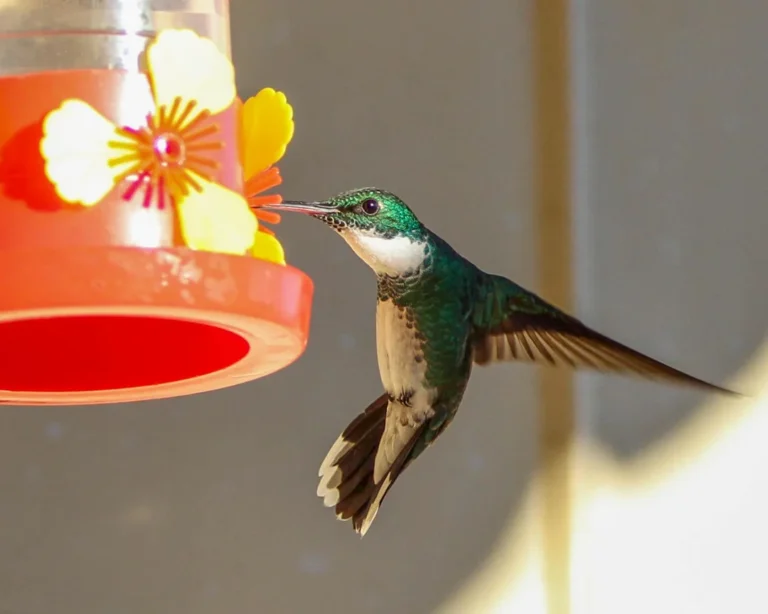
In many yards across the United States, people put up hummingbird feeders filled with sugar water. These feeders can provide a reliable food source for hummingbirds.
The best mixture is simple. Four parts water and one part white sugar.
I have noticed that hummingbirds quickly learn where feeders are placed. Once they find a feeder that is regularly filled, they will return many times each day.
However, feeders should only support natural food sources like flowers and insects. A yard with blooming plants will attract the most hummingbirds.
Understanding what hummingbirds eat helps people create a welcoming space for these amazing birds. When flowers, insects, and clean feeders are available, hummingbirds often become regular visitors.
Important Hummingbird Facts Related to This Topic
Watching hummingbirds for long periods teaches you many small details about how they eat and behave. These birds may look delicate, but they are incredibly active and determined when it comes to finding food.
Hummingbirds Eat Many Times Every Day
One of the first things I noticed when I started watching hummingbirds closely was how often they feed. A hummingbird cannot go very long without eating.
Their bodies burn energy extremely fast. Their wings beat many times every second, and hovering in the air uses a lot of power. Because of this, hummingbirds must eat frequently throughout the day.
It is common for a hummingbird to visit the same group of flowers over and over again. They remember where food is located and return to those spots many times.
Some hummingbirds may feed every ten to fifteen minutes during active hours.
Hummingbirds Have Excellent Memory for Food Sources
Hummingbirds have surprisingly strong memories. After observing them for a while, you begin to notice that they follow regular feeding routes.
A hummingbird may visit the same flowers in the same order every day. If a feeder is placed in a yard, they quickly remember its location.
I often see the same hummingbird return to a feeder again and again during the day. If the feeder runs empty, the bird will check it again later to see if food has returned.
This ability helps them find reliable food sources and save energy.
They Also Catch Tiny Insects in the Air
Many people focus only on nectar, but insects play an important role in the hummingbird diet.
When I sit quietly and watch hummingbirds near trees or shrubs, I often see them suddenly dart through the air. In many cases, they are catching tiny insects that are flying nearby.
These insects provide protein, minerals, and nutrients that nectar alone cannot provide.
During nesting season, insects become even more important. Mother hummingbirds gather small insects to feed their growing chicks.
Hummingbirds Use Spider Webs While Hunting
This is a behavior many people never notice.
Hummingbirds sometimes hover near spider webs. They pick tiny insects trapped in the web, and they may also collect pieces of the web itself.
Spider silk is very useful for building nests, but the trapped insects can also become food.
Seeing a hummingbird carefully inspecting a spider web is always an interesting moment when observing them in nature.
Early Morning Is the Most Active Feeding Time
If someone wants to observe hummingbirds eating, early morning is often the best time.
After a long night, hummingbirds wake up very hungry. They begin searching for nectar and insects soon after sunrise.
During these early hours, feeders and flowers may receive many visits. This is when hummingbirds are working hard to restore their energy for the day.
Late afternoon is another busy feeding time before the birds settle down for the night.
Understanding these behaviors makes it easier to answer the question of what hummingbirds eat. Their diet is not only about nectar. It is a mix of sweet energy from nectar and important nutrients from insects.
Common Mistakes People Make
When people first start attracting hummingbirds, they often mean well but make a few simple mistakes. I have seen many of these over the years while talking with other bird watchers.
Understanding what hummingbirds eat helps avoid problems and keeps the birds safe.
Using Red Food Coloring
One mistake I see very often is adding red food coloring to hummingbird nectar.
Hummingbirds do not need red dye in their food. The color of the feeder is enough to attract them. Artificial coloring may even harm the birds over time.
Plain sugar and water are all they need.
Using Honey or Brown Sugar
Some people try to use honey, brown sugar, or other sweeteners in hummingbird food.
This is not safe for hummingbirds. Honey can grow harmful fungus, and brown sugar contains minerals that are not good for the birds.
The safest recipe is always simple white sugar mixed with water.
Letting Nectar Sit Too Long
Another common mistake is leaving nectar in the feeder for too many days.
Warm weather can cause the nectar to spoil quickly. When nectar goes bad, it can become moldy or grow mold.
Hummingbirds depend on clean food. Feeders should be cleaned and refilled often.
Placing Feeders in Poor Locations
Feeders placed in direct hot sunlight can cause nectar to spoil faster.
I have had better success placing feeders in a shaded area near flowers or shrubs. This makes hummingbirds feel safer while feeding.
Relying Only on Feeders
Feeders are helpful, but they should not be the only food source.
Hummingbirds naturally search for flowers and insects. Gardens that contain nectar-rich plants attract more hummingbirds and keep them coming back.
A yard with natural flowers often becomes a regular stop for hummingbirds during the day.
Helpful Tips From a Hummingbird Watcher
After spending many seasons observing hummingbirds, a few simple habits make a big difference.
Plant Nectar Rich Flowers
Flowers are the most natural food source for hummingbirds.
Plants like bee balm, salvia, trumpet vine, and columbine are some of the flowers I see hummingbirds visit often.
Bright colored flowers are especially attractive to them.
Keep Feeders Clean
Clean feeders are very important.
I rinse my feeders often and wash them with warm water before refilling them. This helps prevent mold and spoiled nectar.
When the feeder is clean, hummingbirds continue visiting regularly.
Provide Several Feeding Spots
Hummingbirds can be territorial. One bird may try to guard a feeder and chase others away.
Placing multiple feeders in different areas of the yard allows more hummingbirds to feed peacefully.
Watch Their Feeding Patterns
Hummingbirds quickly develop daily routines.
If you spend time observing them, you will notice they return to certain flowers and feeders again and again.
Watching these patterns is one of the most enjoyable parts of observing hummingbirds.
Frequently Asked Questions
Do hummingbirds only drink nectar
No. Nectar is their main energy source, but hummingbirds also eat tiny insects and spiders. These insects provide important protein and nutrients.
Can hummingbirds eat fruit?
Hummingbirds do not usually eat fruit itself. owever fr,ui fruitan attract small insects like fruit flies, and hummingbirds may eat those insects.
How often do hummingbirds eat
Hummingbirds eat many times during the day. Because their bodies burn energy quickly, they may feed every few minutes while they are active.
What is the best food for hummingbirds in a feeder
The best feeder food is a simple mixture of white sugar and water. The usual recipe is four parts water and one part sugar.
Do hummingbirds eat insects on purpose?
Yes. Hummingbirds actively hunt tiny insects in the air and also collect insects from leaves and spider webs.
Conclusion
Many people first notice hummingbirds because of their bright colors and fast wings. Soon after, they begin asking what hummingbirds eat.
After watching hummingbirds closely, the answer becomes clear. These small birds depend on several food sources.
Flower nectar provides quick energy that keeps them flying throughout the day. Tiny insects give them protein and nutrients that nectar cannot provide.
Clean feeders with sugar water can also help support hummingbirds, especially when flowers are limited.
The best way to attract hummingbirds is to create a yard filled with nectar-rich flowers, clean feeders, and natural insect activity.
Once hummingbirds discover a reliable food source, they often return again and again. Watching their feeding habits is one of the most enjoyable experiences for anyone who loves birds and nature.

Sheri L. Williamson is a naturalist and hummingbird researcher. She studies hummingbirds and works to protect them. She is also the author of A Field Guide to Hummingbirds of North America in the Peterson Field Guide Series.