Hummingbird Nest Guide | Building, Size & Care Tips
Every spring, I start watching the trees and shrubs around my yard a little more closely. The hummingbirds return, and soon the females begin searching for quiet places to build their nests. If you spend enough time outside, you start to notice how carefully they choose these tiny homes.
A good hummingbird nest guide helps people understand how these amazing birds raise their young. Many people see hummingbirds at feeders, but very few ever notice their nests. The nests are so small and well hidden that they are easy to miss, even if one is only a few feet away.
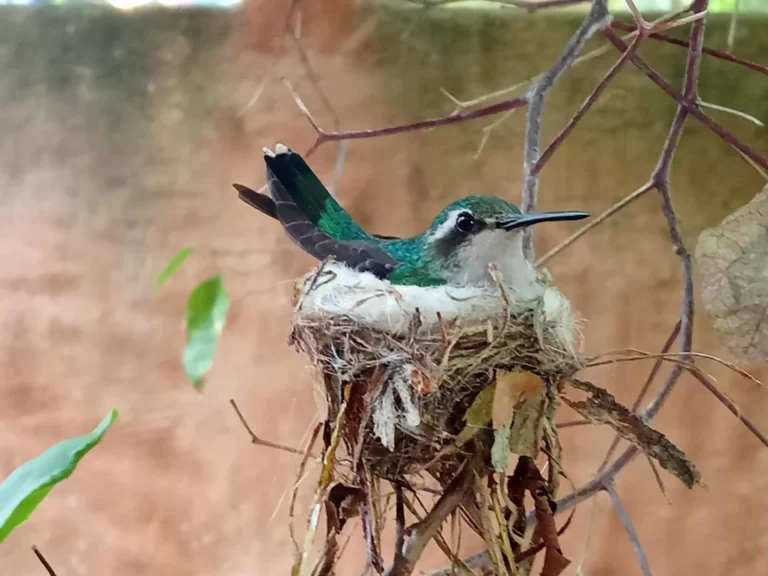
Over the years, I have been lucky enough to watch several hummingbird nests in my garden. The first time I found one, I could hardly believe how tiny it was. It looked about the size of a walnut and was tucked neatly on a thin branch.
Female hummingbirds work very hard to build these nests. They gather soft plant fibers, bits of moss, and spider silk. The spider silk helps hold everything together and also lets the nest stretch as the babies grow.
People who enjoy bird watching often become very curious about where hummingbirds nest and how they raise their chicks. A good hummingbird nest guide makes it easier to understand what is happening in your yard during nesting season.
When you learn what to look for, you may start noticing small clues. A female hummingbird flying to the same branch again and again. A tiny cup-shaped nest hidden among leaves. Or a mother bird quietly sitting on her eggs.
Main Explanation of the Topic
When people first learn about hummingbird nests, they are often surprised by how small they are. Even after many years of watching hummingbirds in my garden, the size still amazes me. Most nests are about the size of a walnut or a large coin. From a distance, they often look like a small bump on a branch.
A female hummingbird builds the nest by herself. The male does not help with building the nest or raising the chicks. After mating, the female immediately begins searching for a safe place where she can raise her babies.
In my experience, the female spends a lot of time studying branches before she begins building. She usually chooses a thin branch that has leaves above it. The leaves help hide the nest from predators and the strong sun.
Many nests are built about ten to twenty feet above the ground. Sometimes they are lower, especially in shrubs or small trees. I once found a nest in a small maple tree that was only six feet high, but it was hidden so well that most people walking by would never notice it.
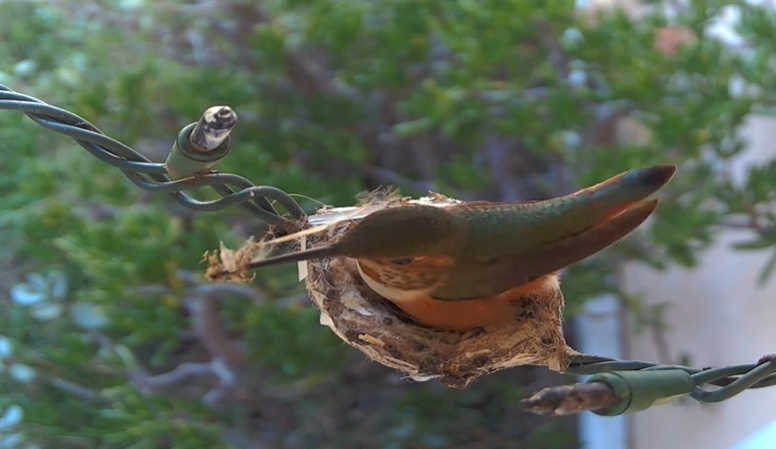
The structure of a hummingbird nest is very interesting. The outside is made from soft plant fibers, moss, and small pieces of bark. These materials help the nest blend into the tree so it looks like part of the branch.
One of the most important materials the female uses is spider silk. I often see hummingbirds visiting spider webs around my garden. They carefully pull silk from the web and carry it away. This silk works like natural glue that holds the nest together.
Spider silk also helps the nest stretch. Baby hummingbirds grow quickly, and the nest needs to expand as they get bigger. The flexible silk allows the nest to widen without breaking apart.
Inside the nest, the female places soft plant fibers and tiny bits of fluff. This lining keeps the eggs warm and protects the chicks once they hatch.
Most hummingbird nests hold two eggs. The eggs are extremely small and white. Each one is about the size of a small jelly bean. When I first saw hummingbird eggs through binoculars, I could hardly believe how tiny they were.
The female sits on the eggs for about two weeks. During this time, she leaves the nest often to feed. Hummingbirds have very fast metabolisms, so the mother must visit flowers and feeders many times during the day.
Once the chicks hatch, the nest becomes very active. The mother returns again and again to feed them. She feeds them by placing her beak into their mouths and giving them a mix of nectar and tiny insects.
Watching this stage is one of the most fascinating parts of the hummingbird nest guide. The chicks grow quickly and soon begin filling the tiny nest. Within about three weeks, they are ready to leave.
Even after they leave, the young birds often stay nearby for a short time while the mother continues feeding them. If you watch closely, you may see the young hummingbirds following their mother and learning how to find food on their own.
Important Hummingbird Facts Related to This Topic
Spending time watching hummingbirds teaches you small details that many people never notice. When you understand these behaviors, a hummingbird nest guide becomes much easier to follow.
Only Female Hummingbirds Build the Nest
One thing that surprises many beginners is that the male hummingbird does not help with nesting. The female does everything by herself. She builds the nest, lays the eggs, keeps them warm, and feeds the babies.
In my garden, I often see males chasing other birds around the feeders. They are busy protecting feeding areas while the female quietly works on her nest somewhere nearby.
Hummingbird Nests Are Extremely Well Hidden
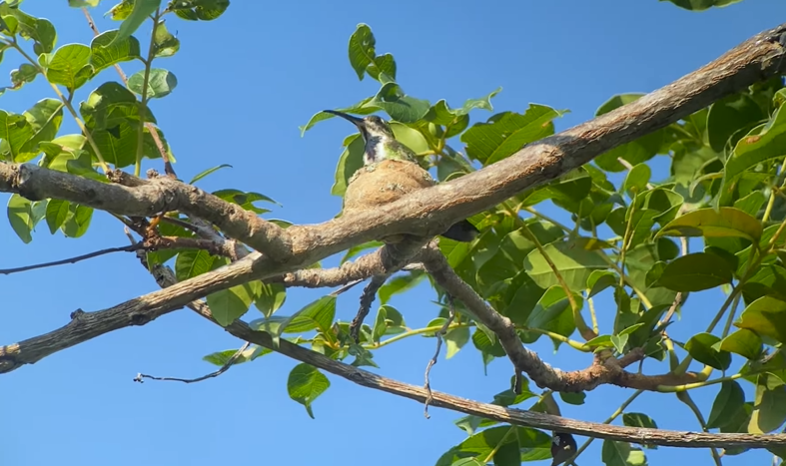
Hummingbird nests are masters of camouflage. The female carefully decorates the outside with bits of lichen, moss, and plant material. This makes the nest look like part of the branch.
Even when you know a nest is in a tree, it can still be hard to see. Many times I have looked at the same branch for several minutes before the nest finally became visible.
This is one reason many people never notice hummingbird nests in their yard.
Hummingbird Eggs Are Very Tiny
The eggs are one of the smallest bird eggs you will ever see. Each egg is about the size of a small jelly bean.
Most nests contain two eggs. It is very rare to see more than two. When the chicks hatch, they are incredibly small and almost featherless.
Baby Hummingbirds Grow Very Fast
Baby hummingbirds grow at an amazing speed. During the first few days, they are tiny and quiet. After about a week, they begin growing feathers and filling more of the nest.
By the second week,k they already look much bigger. The nest that once looked large now starts to feel crowded.
Around three weeks after hatching, the young hummingbirds are ready to leave the nest.
Mothers Visit the Nest Often
When the chicks are growing, the mother makes many feeding trips during the day. If you watch carefully, you may see her fly to the nest every twenty to thirty minutes.
She feeds the chicks a mix of nectar and small insects. The insects provide important protein that helps the young birds grow strong.
Hummingbirds Often Reuse Good Nesting Areas
One thing I have noticed over the years is that hummingbirds often return to the same general nesting areas. They may not reuse the exact nest, but they like familiar trees and shrubs.
If a female successfully raised chicks in one tree, another hummingbird may choose that same tree the next season.
This is why protecting good nesting spaces in your yard can help hummingbirds year after year.
Common Mistakes People Make
People often become very excited when they learn that a hummingbird nest is in their yard. That excitement is understandable. Watching a mother hummingbird raise her chicks is a special experience. However, some common mistakes can disturb the birds without people realizing it.
Getting Too Close to the Nest
One of the biggest mistakes is getting too close. Many people want to look directly into the nest or take pictures from only a few inches away.
In my experience, hummingbird mothers become nervous when people stay near the nest for too long. She may stop visiting the nest until the area feels safe again.
It is always better to watch from a comfortable distance. Using binoculars is a great way to observe the nest without disturbing the birds.
Touching the Nest or the Branch
Another mistake is touching the nest or the branch where it sits. Even gentle contact can shake the nest or damage its delicate structure.
Hummingbird nests are very small and fragile. The spider silk that holds them together is strong, but it is not meant to handle human contact.
It is best to leave the nest completely alone.
Trimming Branches During Nesting Season
Sometimes people trim trees or shrubs without realizing a hummingbird nest is hidden inside. This can destroy the nest and harm the chicks.
During spring and early summer, it is wise to check trees carefully before trimming. Many hummingbirds build nests during this time.
I usually avoid trimming trees in my yard until I know the nesting season has passed.
Letting Feeders Become Dirty
Dirty feeders can attract ants, mold, and harmful bacteria. A mother hummingbird that is feeding chicks needs safe and clean food sources.
Keeping feeders clean helps support hummingbirds during the nesting season.
Helpful Tips from a Hummingbird Watcher
Over the years, I have learned a few simple things that help hummingbirds feel comfortable nesting nearby.
Provide Quiet Areas in the Yard
Hummingbirds prefer calm areas with some cover. Trees, shrubs, and tall plants provide good nesting spots.
When birds feel safe, they are more likely to build nests nearby.
Plant Flowers That Produce Nectar
Natural flowers are very helpful during nesting season. Plants such as bee balm, salvia, and trumpet vine provide reliable nectar.
I often notice hummingbirds visiting these flowers many times during the day while raising chicks.
Keep Feeders Clean and Fresh
Fresh nectar can help support busy mother hummingbirds. I usually replace nectar every few days, especially during warm weather.
Clean feeders attract hummingbirds and help them stay healthy.
Watch for Repeated Flight Patterns
If you see a hummingbird flying to the same tree again and again, there may be a nest nearby. This behavior is often the first clue that a hummingbird has chosen your yard for nesting.
When you notice this pattern, slow down and observe quietly. Sometimes you may discover a hidden nest.
Frequently Asked Questions
How big is a hummingbird nest?
A hummingbird nest is extremely small. Most are about the size of a walnut or a large coin. The tiny size helps the nest stay hidden on thin branches. When I first found one in my yard, I almost thought it was a small knot on the branch.
Where do hummingbirds usually build their nests?
Hummingbirds often build nests on thin tree branches. These branches usually have leaves above them that help hide the nest. I often see nests in small trees, tall shrubs, and sometimes vines growing along fences.
The female looks for places that feel safe and quiet. Good nesting spots are usually protected from strong winds and direct sunlight.
How many eggs does a hummingbird lay?
Most hummingbird nests contain two eggs. The eggs are tiny and white. Each egg is about the size of a small jelly bean.
The female sits on the eggs for about two weeks before they hatch.
How long do baby hummingbirds stay in the nest?
Baby hummingbirds grow very quickly. After they hatch, they usually stay in the nest for about three weeks.
During this time, the mother visits many times each day to feed them. As the chicks grow, the nest becomes crowded. Soon, they are ready to leave and begin learning how to fly and find food.
Can you move a hummingbird nest?
It is best never to move a hummingbird. Moving can harm the eggs or chicks, and the mother may abandon the nest.
If you find a nest in your yard, the best thing you can do is leave it alone and watch from a distance.
Conclusion
Watching hummingbirds build and care for their nests is one of the most rewarding parts of bird watching. A hummingbird nest guide helps people understand what is happening in their yard during nesting season.
Female hummingbirds build small, carefully hidden nests using plant fibers, moss, and spider silk. The nests hold two tiny eggs, and the mother does all the work of raising the chicks.
The young birds grow quickly and usually leave the nest after about three weeks. During this time, the mother works tirelessly to feed and protect them.
People who enjoy hummingbirds can help by keeping their yards safe and peaceful. Clean feeders, nest boxes, and quiet nesting areas make a big difference.
With patience and careful observation, you may one day notice a hummingbird nest in your own yard. When that happens, it becomes a wonderful chance to watch one of nature’s most amazing little birds raise the next generation.

Sheri L. Williamson is a naturalist and hummingbird researcher. She studies hummingbirds and works to protect them. She is also the author of A Field Guide to Hummingbirds of North America in the Peterson Field Guide Series.