What to Put in a Hummingbird Feeder | Safe Nectar Recipe
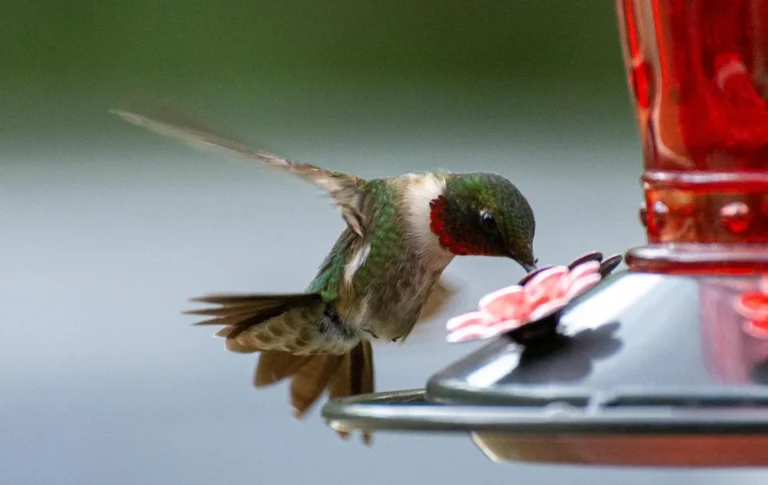
The first time I placed a feeder in my garden, I remember waiting near the window almost every morning. I wanted to see if the hummingbirds would find it. It took a couple of days, but one small bird finally hovered near the feeder and took a sip. Since then, watching hummingbirds visit the feeder has become one of my favorite parts of the day.
Many beginners ask a simple question: what to put into a hummingbird feeder so the birds will actually use it. The answer is easier than most people think.
Hummingbirds mainly drink sweet flower nectar in nature. They visit bright flowers and use their long tongues to sip the sugary liquid inside. When we place feeders in our yards, we try to copy that natural nectar as closely as possible.
From my own experience watching hummingbirds in the garden, the best feeder solution is a simple mix of white sugar and clean water. When the mixture is right, hummingbirds usually find the feeder quickly and return many times each day.
Some people think hummingbirds need special store products or colorful liquids. That is not true. The safest and most effective feeder nectar is very simple and easy to make at home.
Once you know what to put into a hummingbird feeder, it becomes much easier to attract these tiny birds and keep them visiting your yard all season.
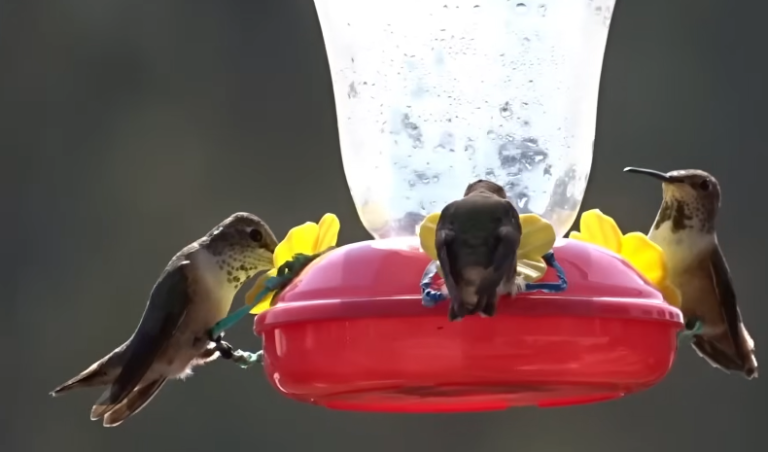
If you place the feeder in a good location and keep it clean, hummingbirds will often treat it like a regular food stop. I often see the same bird come back every hour to drink. They remember where the food is.
What to Put Into a Hummingbird Feeder
After watching hummingbirds in my garden for many seasons, I have learned that the best feeder nectar is very simple. Hummingbirds do not need complicated food. They need a safe sugar water mixture that is similar to the nectar they drink from flowers.
The correct mixture is plain white sugar and clean water.
The usual recipe is four parts water and one part white sugar. Many hummingbird keepers use this simple ratio because it is very close to the natural nectar found in many flowers.
For example, you can mix one cup of white sugar with four cups of water. Stir it until the sugar fully dissolves. Once the mixture is cool, you can pour it into your hummingbird feeder.
This simple mixture works very well. When I first placed it in my garden feeder, hummingbirds started visiting within a short time. Now they come back many times each day.
Why White Sugar Works Best
Hummingbirds need energy. Their wings move extremely fast when they hover in the air. Because of this, they burn a lot of energy every day.
The sugar water in feeders gives them quick energy. It is very similar to the nectar they collect from flowers in nature.
Plain white sugar is the safest choice. It dissolves easily in water and closely matches the natural sugars found in flower nectar.
When hummingbirds find a feeder with fresh sugar water, they often return again and again. I often notice the same hummingbird sitting on a nearby branch and guarding the feeder from other birds.
Water Quality Matters
Clean water is also very important when deciding what to put into a hummingbird feeder.
Fresh drinking water works well. Many people use filtered water or clean tap water. The main goal is to keep the nectar fresh and safe for the birds.
During hot weather, nectar can spoil faster. I usually change the nectar every two days when temperatures are high. In cooler weather, it can last a little longer.
When the nectar is fresh, hummingbirds seem to visit more often. They are very sensitive to spoiled food.
What You Should Never Put Into a Hummingbird Feeder
Many beginners are unsure about this part, so it is important to explain clearly.
Do not add food coloring to the nectar. The red color on the feeder is enough to attract hummingbirds. Artificial coloring is not needed and may not be safe for them.
Do not use honey. Honey can grow harmful fungus that can make hummingbirds sick.
Do not use brown sugar or powdered sugar. These contain extra ingredients that hummingbirds do not need.
Also, avoid artificial sweeteners. They do not provide the natural energy hummingbirds require.
Over time, I have noticed that hummingbirds respond best to the simple recipe. When the nectar is clean and fresh, they keep coming back just like they do to their favorite flowers.
Important Hummingbird Facts Related to This Topic
Spending time watching hummingbirds near a feeder teaches you many small details about their behavior. These birds may be tiny, but they have very active lives. Understanding how they feed in nature helps explain why the simple sugar water mixture works so well.
Hummingbirds Eat Very Often
One thing I noticed quickly after setting up a feeder is how often hummingbirds return to drink. They do not just visit once or twice a day. They come back again and again.
Hummingbirds have a very fast metabolism. Their wings move extremely fast when they hover, and this burns a lot of energy. Because of that, they need to eat many times during the day.
A hummingbird may visit a feeder dozens of times each day. Sometimes I see the same bird return every twenty or thirty minutes.
This is one reason why the right food in the feeder matters so much. When the nectar is fresh and sweet, hummingbirds treat the feeder like a reliable food source.
Hummingbirds Remember Food Locations
Another interesting behavior I see often is how well hummingbirds remember where food is located.
Once a hummingbird discovers a feeder, it usually comes back to the same place every day. Even after several days, the bird will return and check the feeder again.
I have watched hummingbirds fly straight to the feeder without hesitation. They remember the exact spot.
This is why it helps to keep the feeder in the same place. If you move it often, hummingbirds may take time to find it again.
Hummingbirds Still Visit Flowers
Even if you place a feeder in your yard, hummingbirds will still visit flowers. The feeder does not replace flowers. It simply adds another source of nectar.
In my garden, I often see hummingbirds moving between flowers and the feeder. They may drink from the feeder first, then fly to nearby flowers.
This is normal behavior. In the wild, hummingbirds collect nectar from many different plants throughout the day.
Planting flowers near the feeder can make your yard even more attractive to them.
Hummingbirds Can Be Territorial
One behavior that surprises many beginners is how protective hummingbirds can be.
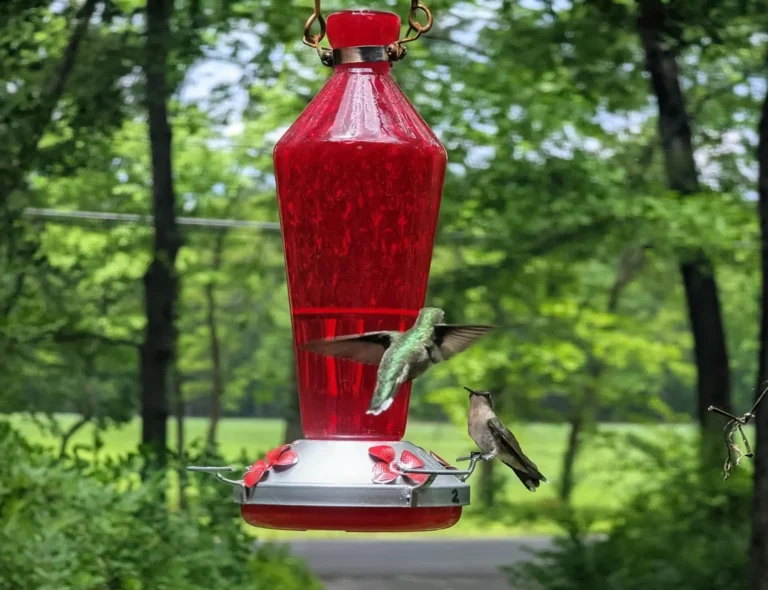
Sometimes one hummingbird will try to guard a feeder. It may sit on a nearby branch and chase away other hummingbirds that come close.
I see this behavior often in my garden. One bird may act as the feeder belongs only to it.
This is normal hummingbird behavior. In nature, they often defend good food sources.
If many hummingbirds visit your yard, placing more than one feeder in different spots can help reduce this competition.
Understanding these behaviors helps explain why the right nectar mixture and feeder placement are important. When hummingbirds feel safe and find reliable food, they return again and again.
Common Mistakes People Make
When people first start feeding hummingbirds, they often make small mistakes. I made a few myself when I first put a feeder in my yard. Over time, watching hummingbirds closely helped me learn what works best and what should be avoided.
Using Red Dyed Nectar
One of the most common mistakes is using red-dyed nectar.
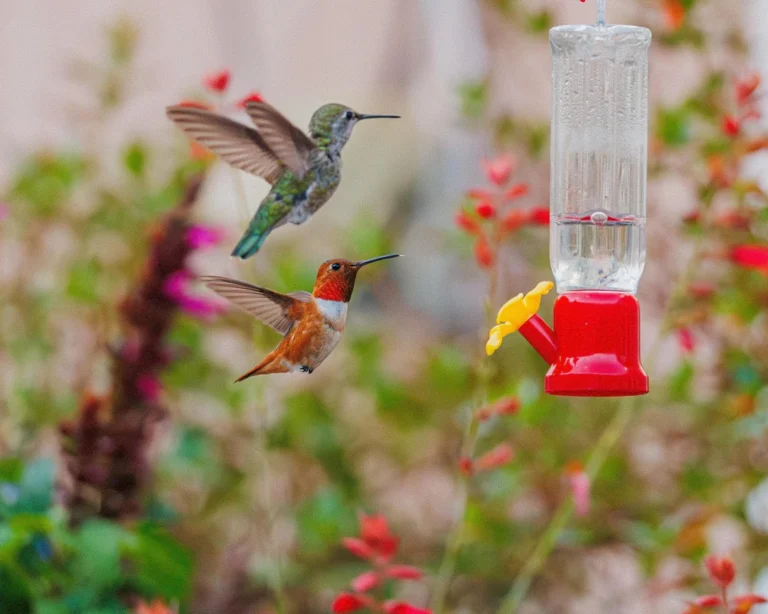
Many store products come with bright red liquid. Some people think the color helps attract hummingbirds. In reality, hummingbirds are attracted to the red parts of the feeder itself.
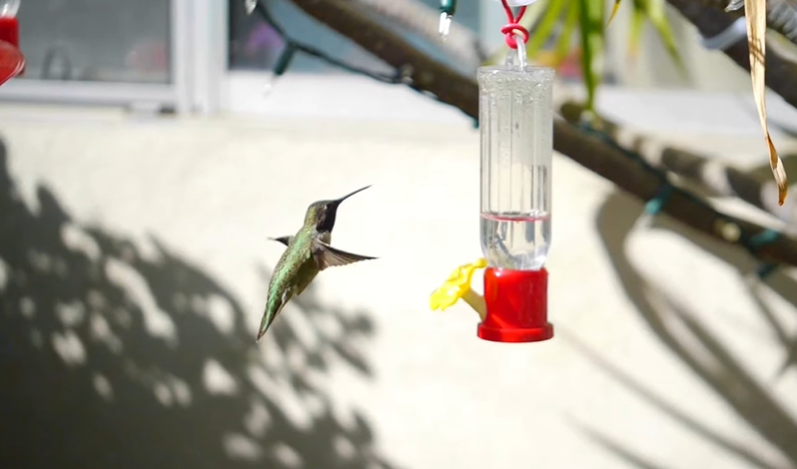
The nectar inside the feeder should stay clear. The simple sugar water mixture is all they need. I have never added food coloring to my feeders, and hummingbirds still find them easily.
Using the Wrong Type of Sugar
Another mistake is using the wrong sugar.
Some people try honey, brown sugar, or powdered sugar. These are not good choices for hummingbirds.
Honey can grow harmful mold. Brown sugar and powdered sugar contain extra ingredients that hummingbirds do not need.
Plain white table sugar works best. It is clean, simple, and very similar to natural flower nectar.
Not Changing Nectar Often
Fresh nectar is very important.
When nectar sits too long, it can start to spoil. In warm weather, this can happen quickly. Spoiled nectar may harm hummingbirds.
From my own routine, I usually change the nectar every two days during hot weather. When the weather is cooler, I may change it every three or four days.
If the nectar looks cloudy, it should be replaced immediately.
Forgetting to Clean the Feeder
Cleaning the feeder is just as important as the nectar recipe.
Sugar water can leave residue inside the feeder. If the feeder is not cleaned, mold and bacteria can grow.
I like to rinse my feeders with warm water and gently scrub them with a small brush. Doing this each time I refill the feeder keeps it safe for the birds.
Helpful Tips From a Hummingbird Watcher
After years of watching hummingbirds visit my garden, I have picked up a few simple tips that help attract them more often.
Place the Feeder Near Flowers
Hummingbirds naturally search for flowers.
If the feeder is placed near flowering plants, hummingbirds are more likely to notice it. In my garden, I placed my feeder close to a patch of red flowers. That is where I first saw hummingbirds start visiting regularly.
Flowers and feeders together create a very inviting feeding area.
Choose a Safe Location
Hummingbirds like feeders that feel safe.
Place the feeder somewhere with a little shade and a nearby branch or small tree. The birds often rest between feeding visits.
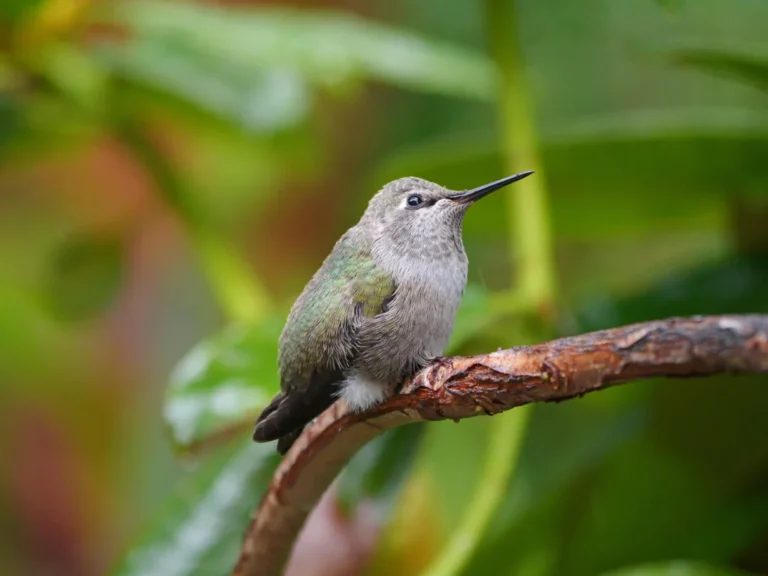
I often see hummingbirds perch on a small branch near my feeder before flying in to drink.
Keep the Feeder Easy to See
Hummingbirds are attracted to bright colors.
Most feeders already have red parts that help them stand out. Hanging the feeder where it is visible from the air can help hummingbirds discover it faster.
Once they find it, they usually remember the location very well.
Be Patient
Sometimes, hummingbirds find a new feeder quickly. Other times it may take a little longer.
The first feeder I placed in my yard was empty of visitors for several days. Then one morning, a hummingbird suddenly appeared and started drinking.
Frequently Asked Questions
Can I put plain water into a hummingbird feeder?
No. Plain water does not provide the energy hummingbirds need. These birds burn a lot of energy while flying and hovering. They rely on sugary nectar for quick fuel.
A simple mixture of white sugar and water works best. This mixture is very close to the natural nectar hummingbirds drink from flowers.
Can I use store-bought hummingbird nectar?
Some store products are safe, but many contain red dye. From my experience, hummingbirds do not need colored nectar. The red parts of the feeder already attract them.
I always use homemade sugar water. It is simple, safe, and hummingbirds visit my feeder regularly with this mixture.
How often should I change the nectar?
Fresh nectar is very important for hummingbird health.
During hot summer weather, it is best to change the nectar every two days. When the weather is cooler, it can last about three to four days.
If the nectar ever looks cloudy, it should be replaced right away.
Can hummingbirds live only on feeder nectar?
No. Hummingbirds still depend on natural food.
Even when they visit feeders, they also eat tiny insects and spiders. These insects provide important protein that helps them stay healthy.
I often see hummingbirds leave the feeder and fly into nearby trees where they catch small insects.
Do hummingbirds prefer feeders or flowers?
Hummingbirds enjoy both.
In my garden, they move between flowers and the feeder throughout the day. Flowers give them natural nectar, while the feeder provides an easy energy source.
Planting nectar-rich flowers can help attract even more hummingbirds to your yard.
Conclusion
Knowing what to put into a hummingbird feeder is actually very simple. The best choice is a clean mixture of white sugar and water. This closely matches the natural nectar hummingbirds drink from flowers.
Over the years of watching hummingbirds in my garden, I have learned that they respond best to fresh nectar, clean feeders, and a safe place to feed. When these small details are taken care of, hummingbirds return again and again.
These birds are creatures of habit. Once they discover a reliable feeder, they often make it part of their daily route. I still enjoy watching them hover near the feeder each morning as they take quick sips before flying off to nearby flowers.
With the right nectar and a little patience, your feeder can become a regular stop for hummingbirds in your yard. Watching them up close is one of the most rewarding parts of feeding these amazing little birds.

Sheri L. Williamson is a naturalist and hummingbird researcher. She studies hummingbirds and works to protect them. She is also the author of A Field Guide to Hummingbirds of North America in the Peterson Field Guide Series.