How to Make Hummingbird Feeder Nectar | Easy Recipe Guide
Hummingbirds are tiny, colorful birds that bring life and energy to any garden. Watching them hover in the air, their wings moving so fast it looks like a blur, is one of my favorite things. To keep them visiting my garden, I make my own hummingbird feeder nectar at home.
Making hummingbird nectar is simple, safe, and helps these little birds get the energy they need. I have spent years observing them, and I have learned how important it is to offer clean, fresh nectar. When hummingbirds find a feeder with good nectar, they can spend hours drinking and even resting nearby.
This guide will show you exactly how to make hummingbird feeder nectar. I will also share what I have learned from watching hummingbirds in natural gardens. You will learn easy steps to prepare the nectar and keep it safe for the birds.
How to Make Hummingbird Feeder Nectar
Making nectar for hummingbirds is very easy. You only need two ingredients: sugar and water. I always use plain white granulated sugar and clean tap or filtered water. Do not use honey, artificial sweeteners, or brown sugar. These can make birds sick.
The best ratio is four parts water to one part sugar. For example, if you use one cup of sugar, mix it with four cups of water. I usually make a small batch at first to ensure it stays fresh and doesn’t sit too long.
Here is the simple method I follow:
- Boil the water for a few minutes. This kills any bacteria or mold.
- Remove the water from the heat and add the sugar. Stir until it dissolves completely.
- Let the nectar cool to room temperature before pouring it into the feeder.
- Store any extra nectar in the fridge. It can last for about a week when chilled.
I have noticed that hummingbirds prefer nectar. If the nectar sits too long, it can ferment and smell sour. The birds usually avoid it, so making small batches often works best.
Always clean your feeder before adding new nectar. I like to wash it with warm water and a soft brush. This keeps it safe and prevents mold from forming.
Important Hummingbird Facts Related to Nectar
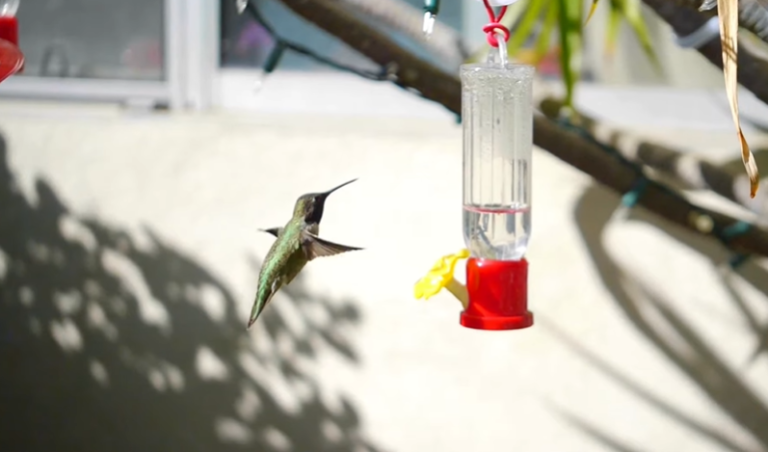
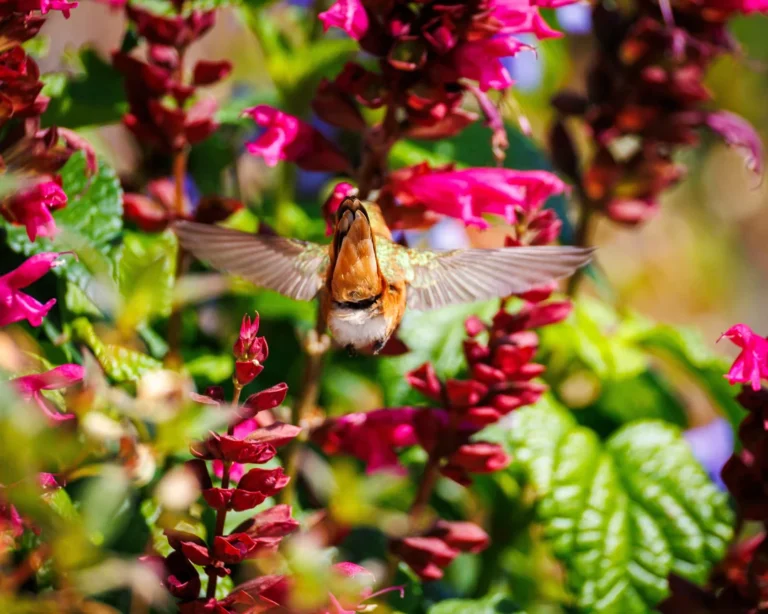
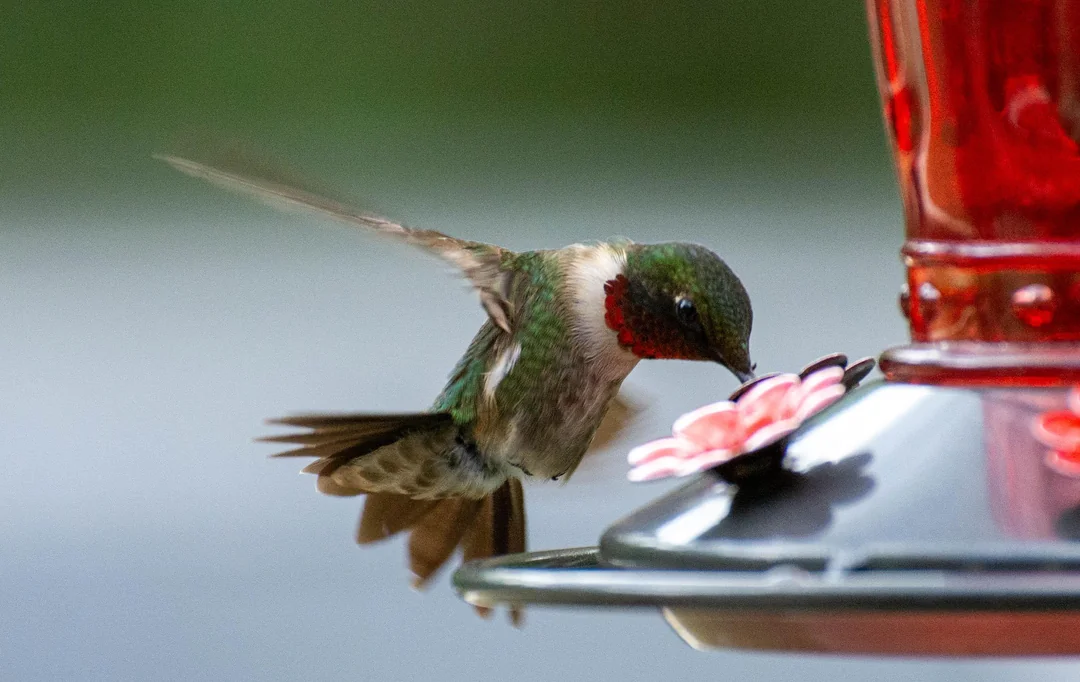
Hummingbirds are amazing little birds. They need a lot of energy because their wings beat very fast. Watching them hover near flowers or feeders is exciting. Nectar gives them the sugar they need to fly and stay active.
Hummingbirds prefer bright colors, especially red. That is why many feeders are red or have red accents. I have seen them ignore feeders that are plain or dull in color.
They have very fast metabolisms. This means they need to eat often. In my garden, I see hummingbirds visiting feeders every few minutes. If you make fresh nectar and keep the feeder full, the birds will return regularly.
Another thing I noticed is that hummingbirds are very smart. They remember which feeders have the freshest nectar and which flowers have been visited. Some will even wait patiently near a feeder until it is their turn.
Hummingbirds also like to feed in the morning and late afternoon. These are the times I see the most activity. During midday, they often rest in the shade or hide in bushes to stay cool.
Providing clean nectar in a safe place near flowers will attract more hummingbirds. Watching their behavior helps you learn what they like and how to keep them healthy.
Helpful Tips from a Hummingbird Watcher
From years of watching hummingbirds, I have learned a few tips that really help keep them healthy and happy.
Keep nectar fresh: I always make small batches and change the nectar every 2 to 3 days in hot weather. Fresh nectar tastes better to the birds and reduces the risk of mold.
Place feeders safely: I hang my feeders near flowers but away from strong winds or direct sunlight. This gives hummingbirds a safe place to feed and rest.
Clean feeders regularly: Even if the nectar looks fine, I clean the feeder with warm water and a soft brush each time I refill it. Mold can grow fast and make hummingbirds sick.
Watch their behavior: Hummingbirds are smart and notice changes in feeders. If a bird hesitates or avoids a feeder, it may mean the nectar is old or the feeder is dirty.
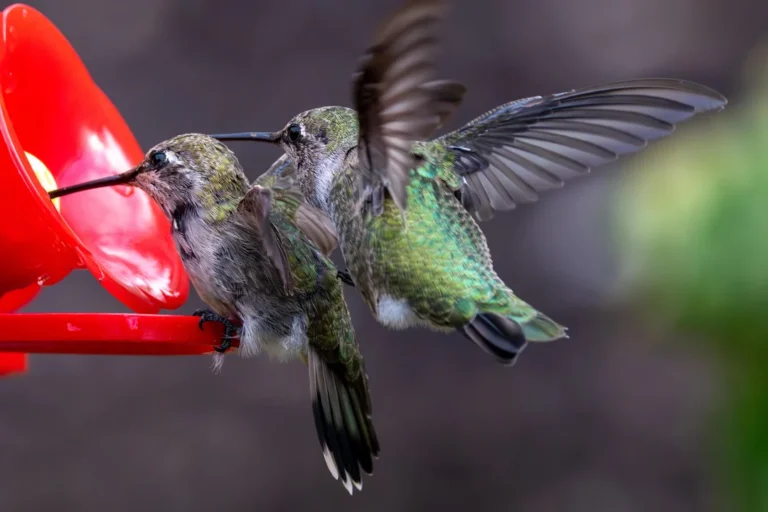
Use multiple feeders: If you have a large garden, installing multiple feeders helps reduce fights over food. Hummingbirds can be territorial, and multiple feeders let them feed peacefully.
Common Mistakes People Make
Even with good intentions, people sometimes make mistakes when feeding hummingbirds.
Using the wrong sugar: Honey, brown sugar, or artificial sweeteners can harm birds. Stick to plain white granulated sugar.
Making too much nectar: Large batches can sit too long, leading to fermentation. This makes the nectar unsafe. Small batches are better.
Not cleaning feeders: A dirty feeder can grow mold or bacteria. This is dangerous and can scare birds away.
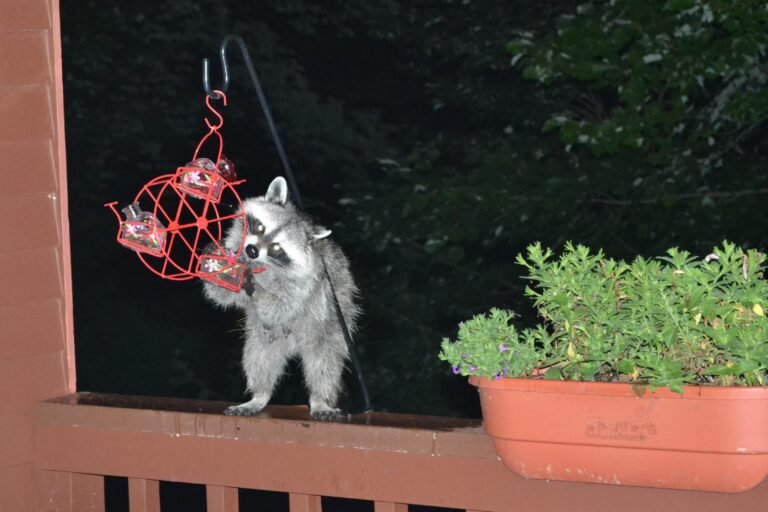
Placing feeders in unsafe spots. Hummingbirds need a quiet and safe place to feed. Too much sun, wind, or predators nearby can keep them away.
Ignoring bird behavior: If birds stop visiting, it may mean the nectar is old, the feeder is dirty, or the feeder is placed incorrectly. Observing them helps you fix these problems.
Frequently Asked Questions
How long can hummingbird nectar sit before it goes bad
In hot weather, nectar can go bad in one or two days. In cooler weather, it can last up to a week. Always check for cloudiness or smell.
Can I use honey instead of sugar?
No. Honey can harbor dangerous bacteria for hummingbirds. Always use plain white sugar.
Do I need to boil the water?
Boiling water is not required, but it helps kill bacteria and dissolve the sugar faster. Let the water cool before filling the feeder.
How often should I clean the feeder?
Clean it every time you refill nectar. This is usually every two to three days in warm weather.
Can I attract more hummingbirds with my feeder?
Yes. Use fresh nectar, clean feeders, and place them near colorful flowers. Watching their favorite times, usually morning and late afternoon, also helps.
Conclusion
Making hummingbird feeder nectar is simple and very rewarding. Just mix 4 parts water with 1 part white sugar and pour it into a clean feeder. Fresh nectar, safe placement, and regular cleaning will keep hummingbirds healthy and happy.
Watching them hover and feed is a joy. Their bright colors and fast movements bring life to any garden. By observing their behavior and offering proper nectar, you can enjoy more visits and learn about these amazing little birds.
Fresh, clean nectar, safe feeders, and a little patience will make your garden a hummingbird haven.

Sheri L. Williamson is a naturalist and hummingbird researcher. She studies hummingbirds and works to protect them. She is also the author of A Field Guide to Hummingbirds of North America in the Peterson Field Guide Series.