What to Put in My Hummingbird Feeder | Simple Nectar Guide
If you enjoy watching hummingbirds in your yard, you may wonder what to put in your hummingbird feeder to keep them coming back.
I spend a lot of time sitting quietly in my garden, especially early in the morning. That is when hummingbirds show up the most. They move fast, but if you watch closely, you start to notice their habits. They visit the same feeder again and again if the food is right.
The truth is simple. Hummingbirds do not need fancy mixes or store-bought liquids. What they need is very basic and easy to make at home. When you use the right mixture, you will see more visits, longer feeding times, and calmer behaviour.
Over the years, I have tested different feeder setups and food types. I have seen what works and what does not. The best results always come from keeping things clean and natural.
What to Put in My Hummingbird Feeder
When people ask what to put in my hummingbird feeder, I always give the same answer. Keep it simple and natural.
The best food for hummingbirds is a mix of plain white sugar and clean water. That is it. No extra ingredients are needed.
I use a ratio of one part white sugar to four parts water. For example, I mix one cup of sugar with four cups of water. This is very close to the natural nectar that hummingbirds get from flowers.
I usually warm the water a little so the sugar dissolves faster. You do not need to boil it every time, but I have found that slightly warm water helps mix it well. Once the sugar is fully dissolved, I let it cool before filling the feeder.
I have tried different ratios in the past, just out of curiosity. When the mix is too sweet, the birds do not stay long. When it is too weak, they come more often but seem less satisfied. The one-to-four ratio always brings the best balance.
It is very important to use plain white table sugar. I never use honey, brown sugar, or artificial sweeteners. I tried honey once many years ago, and I noticed the feeder spoiled very quickly. It also seemed to attract insects faster. Since then, I have only used white sugar, and I have had no issues.
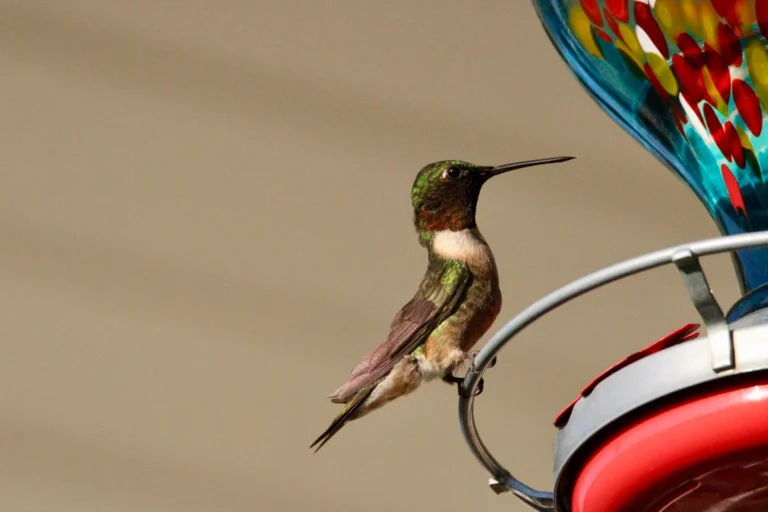
You should also avoid adding red dye. Many feeders are already red, which is enough to attract hummingbirds. I have watched them choose a plain feeder with clear liquid over a dyed one. They care more about the quality of the nectar than the colour.
Freshness matters a lot. In warm weather, I change the nectar every two to three days. If it is very hot, I may change it every day. I can tell when the nectar starts to go bad because the birds visit less often or leave quickly after tasting it.
Cleaning the feeder is just as important as what you put in it. I rinse mine with warm water and use a small brush to clean inside. I avoid soap unless the feeder is very dirty, and if I do use it, I rinse it very well.
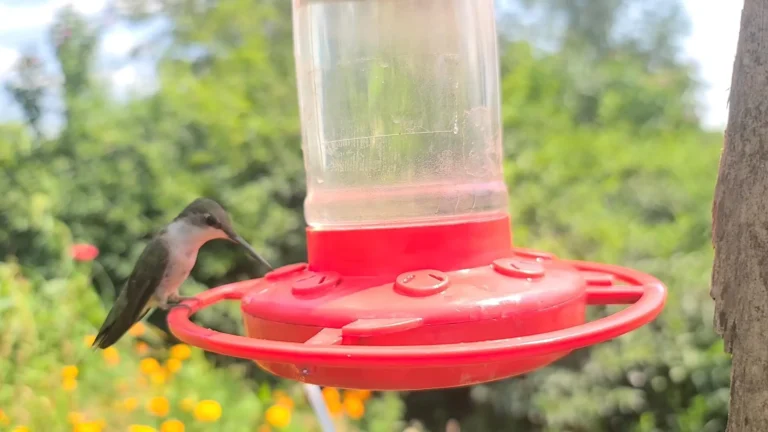
From what I have seen, hummingbirds reward clean feeders with frequent visits. Some even hover nearby while I refill, as if they are waiting for a fresh batch.
So if you are wondering what to put in my hummingbird feeder, remember this. Plain white sugar and water, mixed right, kept fresh, and served clean. That simple routine will bring hummingbirds back to your yard again and again.
Important Hummingbird Facts Related to This Topic
After spending a lot of time watching hummingbirds, I have learned that their feeding habits are very consistent. Once they trust a food source, they return to it many times each day.
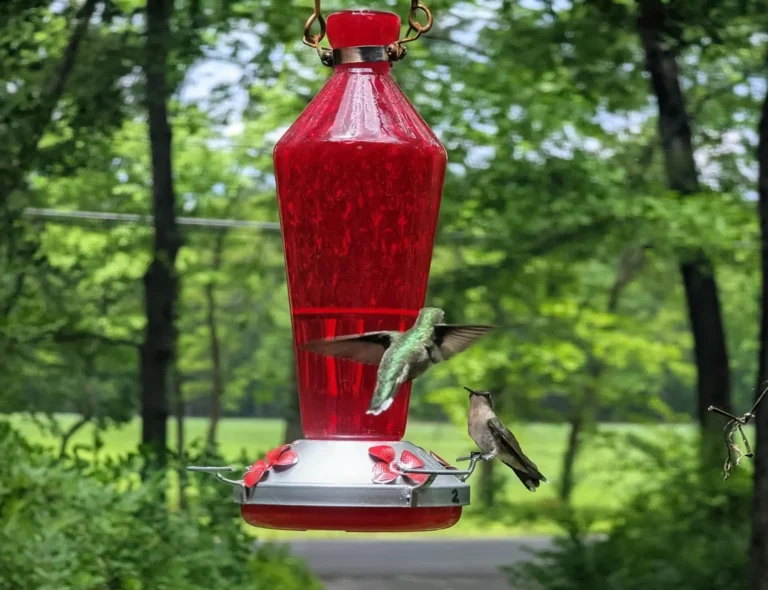
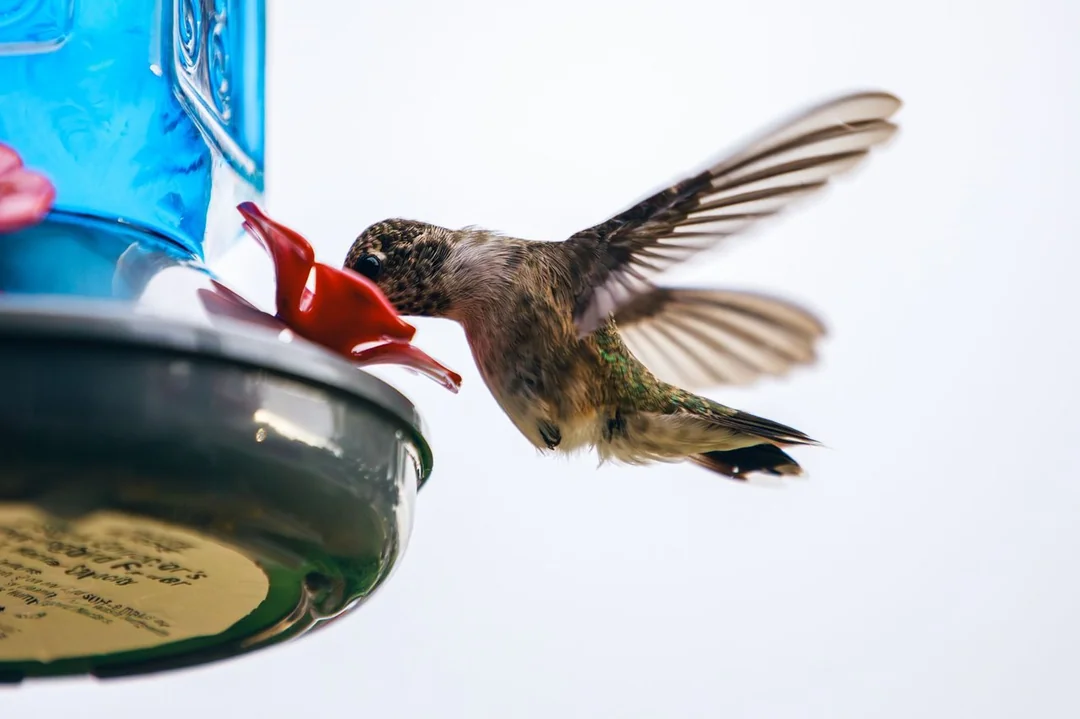
Hummingbirds feed often because their bodies use a lot of energy. I have seen the same bird come back to my feeder every 10 to 15 minutes. They take a few quick sips, then fly off to rest or chase away other birds.
Their main food in nature is flower nectar. That is why the sugar water mix works so well. It closely matches what they already drink from flowers. When the mix is right, they treat the feeder just like a natural nectar source.
Hummingbirds also eat small insects. I often notice them leaving the feeder and catching tiny bugs in the air. This gives them protein, which sugar water does not provide. So even if you have a feeder, they will still look for insects nearby.
Another thing I have noticed is how they remember feeder locations. Even after I take a feeder down for cleaning, they return to the same spot and hover there. It is like they know exactly where the food should be.
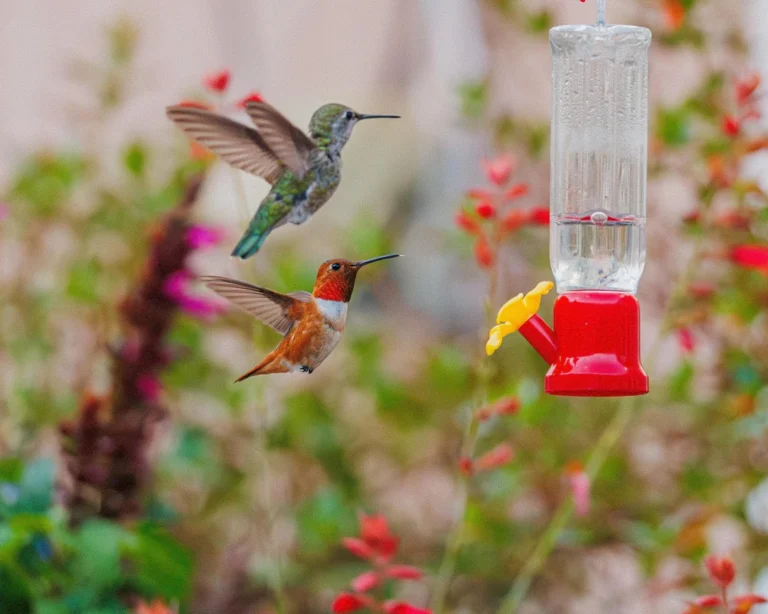
They are also very protective of feeders. One hummingbird may try to guard it and chase others away. I have watched this many times. The dominant bird will sit nearby and dart out whenever another bird gets close.
The weather also affects how they feed. On cooler mornings, they stay at the feeder longer. On very hot afternoons, visits are shorter but more frequent. That is when fresh nectar becomes even more important.
Clean nectar is critical for their health. When nectar goes bad, it can grow harmful bacteria or mould. I once forgot to change a feeder during a hot week, and I noticed the birds stopped coming. As soon as I cleaned it and added fresh nectar, they returned the same day.
Hummingbirds are very sensitive to changes. If something is off with the nectar, they will notice right away. That is why using the correct sugar-to-water ratio is so important.
Watching these small details has helped me understand what to put in my hummingbird feeder and why it matters so much. When you match their natural needs, they respond with steady visits and calm feeding behaviour.
Common Mistakes People Make
Over the years, I have seen many small mistakes that can keep hummingbirds away from a feeder. Most of these are easy to fix once you know what to look for.
One common mistake is using the wrong type of sugar. Some people try honey, brown sugar, or raw sugar. I did try honey once, and the nectar spoiled very fast. It also attracted ants, making the feeder messy. Plain white sugar is always the safest choice.
Another mistake is making the mixture too strong or too weak. If there is too much sugar, the birds may take a sip and leave. If there is too little, they come more often but do not seem satisfied. I have found that sticking to the simple one part sugar to four parts water ratio works best every time.
Many people also forget how important freshness is. In warm weather, nectar can go bad quickly. I have noticed that when nectar starts to turn, hummingbirds stop visiting. They may hover for a second before flying away. Changing the nectar often keeps them coming back.
Adding red dye is another mistake. Some store products include it, but it isn’t necessary. Feeders are usually red already, and that is enough to catch a hummingbird’s eye. I have watched them choose clear nectar again and again, so I never add any colour.
Cleaning is something people often overlook. A feeder may look clean from the outside, but inside it can have buildup. I make it a habit to rinse and scrub mine often. When the feeder is clean, the birds feed longer and visit more calmly.
Placing the feeder in a bad spot can also be a problem. If it is in direct sun all day, the nectar heats up and spoils faster. I get better results when I place mine in a spot that gets some shade, especially in the afternoon.
Helpful Tips from a Hummingbird Watcher
From my own time watching hummingbirds, a few simple habits make a big difference.
I always hang my feeder where I can see it easily from a window or a quiet sitting spot. This lets me notice patterns. I can tell when the birds are active and when something is off.
I like to keep more than one feeder in the yard. This helps reduce fighting. I have seen one bird try to control a feeder, but when there are two or three spread out, more birds get a chance to feed peacefully.
Try to refill the feeder around the same time each day. Hummingbirds are creatures of habit. I often see them show up right when I am about to bring out fresh nectar.
Pay attention to their behaviour. If they stop visiting or leave quickly, it usually means the nectar is not right. When everything is right, they stay longer and return often.
Keep the area natural. Flowers, small shrubs, and a few trees help a lot. I have noticed that hummingbirds feel more comfortable when they have places to rest between feedings.
One of my favourite moments is early morning. The light is soft, and the birds are very active. They come in quietly, take a few sips, and sometimes hover right in front of me. It feels like they trust the space.
When you follow these simple tips and avoid common mistakes, you will not have to wonder what to put in your hummingbird feeder anymore. The birds will show you what works by coming back again and again.
Frequently Asked Questions
What is the best sugar to put in a hummingbird feeder
Plain white table sugar is the best. Do not use honey, brown sugar, or artificial sweeteners. Hummingbirds do best with a simple sugar-and-water mix.
How much sugar and water should I mix?
Use one part sugar to four parts water. For example, one cup of sugar with four cups of water. This ratio works well and matches natural nectar.
Do I need to add red dye?
No. The feeder itself is usually red, which is enough to attract hummingbirds. They care more about the sugar water than the colour.
How often should I change them?
Change it every two to three days in warm weather. very hot weather, change it every day. Sh nectar keeps the birds healthy and encourages frequent visits.
Can I leave the feeder outside all year??
It depends on your e. climate. ds usually migrate. Remove my feeders when they are gone and refill them in the spring when they return.
Conclusion
Knowing what to put in my hummingbird feeder makes a big difference. White sugar mixed with clean water in the right ratio is all you need. Place the nectar fresh, the feeder clean, and place it where birds feel safe.
Watching hummingbirds teaches patience and observation. IR visits show what works. By avoiding common mistakes and following simple tips, you can enjoy frequent visits and healthy birds.
Fresh, clean nectar will bring these tiny jewels to your garden again and again. It’s simple, rewarding, and a joy to see them hover and feed up close.

Sheri L. Williamson is a naturalist and hummingbird researcher. She studies hummingbirds and works to protect them. She is also the author of A Field Guide to Hummingbirds of North America in the Peterson Field Guide Series.