What Does a Pregnant Hummingbird Look Like? Explained
Many people who enjoy watching hummingbirds eventually wonder about nesting and breeding. One question I hear often from backyard bird watchers is this. What does a pregnant hummingbird look like?
The truth is a little surprising. Hummingbirds do not become pregnant the same way mammals do. Instead, the female carries eggs inside her body for a short time before laying them in a nest. Because of this, people sometimes think they are seeing a pregnant hummingbird when they notice a female bird with a slightly round belly.
I spend a lot of time watching hummingbirds in my garden. Over the years, I have noticed small changes in female hummingbirds during nesting season. These changes are very subtle. Many beginners expect a large belly or an obvious difference, but that rarely happens.
If you look closely and observe their behaviour, you may notice a few signs that a female hummingbird is preparing to lay eggs. Her body may look slightly fuller. She may also start gathering soft nesting materials and spend more time near hidden branches.
Understanding what a pregnant hummingbird looks like becomes easier once you learn how hummingbirds reproduce and behave during nesting season. When you know what to watch for, the clues become much easier to see.
Main Explanation of the Topic
When people ask what a pregnant hummingbird looks like, they usually imagine a bird with a large, round belly. In reality, the change is much smaller and harder to notice.
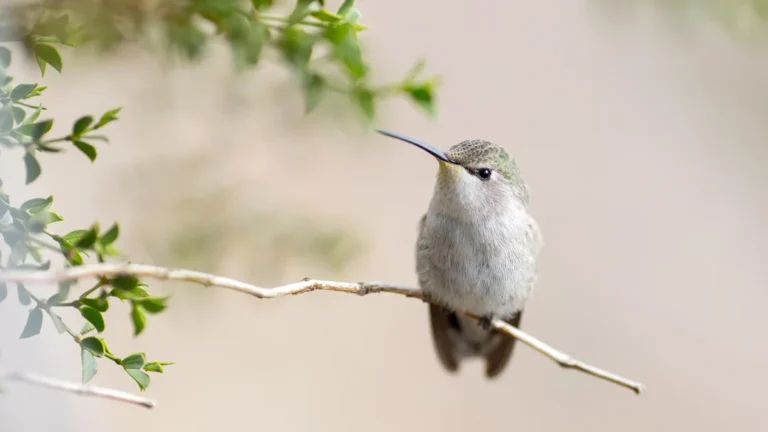
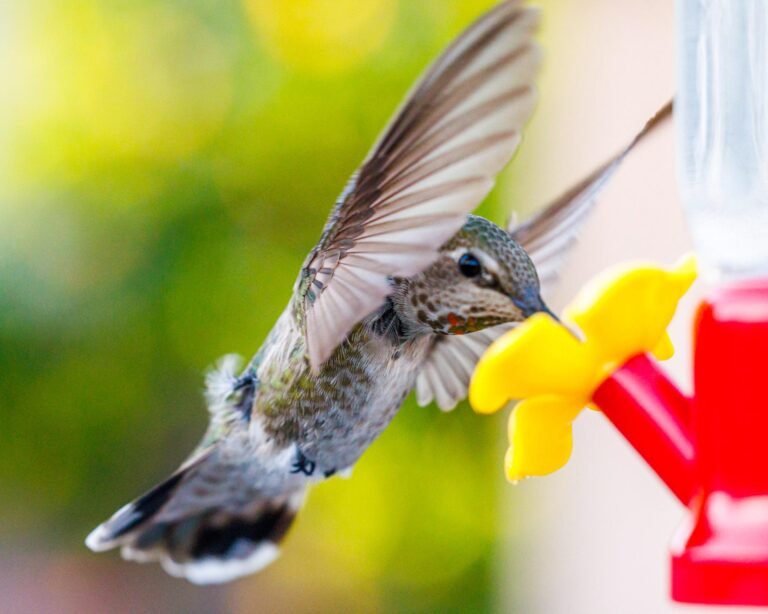
A female hummingbird carrying eggs may look only slightly fuller around the lower body. The change is subtle. If you watch hummingbirds often, you might notice the difference when she sits on a branch or rests near a feeder.
Most hummingbirds are very small and slim. Because of that, even a small change in the body shape can sometimes be visible to careful observers. The belly may appear a little rounder than usual. It is not dramatic, but it can look different from the usual smooth, slim shape.
One thing I often notice during nesting season is how the female spends more time resting quietly. Normally, hummingbirds move very quickly from flower to flower. But when a female is preparing to lay eggs, she sometimes pauses more often on branches.
Another clue is the way she begins searching for nesting materials. I have watched female hummingbirds pick tiny bits of plant fibre, spider silk, and soft fluff from plants. They carry these materials in their beak and fly to a hidden branch where they start building a tiny nest.
If you see a hummingbird collecting soft materials like this, it is a strong sign she may soon lay eggs.
The nest itself is extremely small. Many people compare it to the size of a walnut or a small coin. Because the nest is so tiny, the eggs are also very small. A female hummingbird usually lays two eggs.
During the short time before she lays those eggs, the body may look slightly fuller. This is the moment when some people think they are seeing a pregnant hummingbird.
However, the physical change is not the best indicator. Behaviour is often the biggest clue.
For example, I often see a female hummingbird visiting the same quiet branch again and again. She may hover around a fork in a tree branch while inspecting it. Soon after, that spot becomes the nesting location.
Once the eggs are laid, the female spends much of her time sitting on the nest. She becomes very careful and quiet around that area. Many people never notice the nest because it blends perfectly with the branch.
So when someone asks what a pregnant hummingbird looks like, the honest answer is that the changes are very small. A slightly fuller belly and nesting behaviour are usually the only signs.
Important Hummingbird Facts Related to This Topic
When people ask what a pregnant hummingbird looks like, it helps to understand a few basic facts about hummingbird breeding. These tiny birds follow a very interesting nesting pattern. Once you know these facts, it becomes much easier to understand what you are seeing in your garden.
Only the Female Builds the Nest
One thing that surprises many beginners is that male hummingbirds do not help with nesting. After mating, the female does all the work by herself.
I have watched this many times in my yard. The female quietly searches for a safe branch. She chooses a spot that is hidden from predators and protected from the wind. Often it is on a thin branch of a small tree or shrub.
She then begins collecting tiny materials. I often see her pick soft plant fibres, bits of moss, and spider silk. The spider silk helps hold the nest together and allows it to stretch as the baby birds grow.
The Nest Is Extremely Small
Hummingbird nests are some of the smallest bird nests you will ever see.
Most nests are about the size of a walnut. Some are even smaller. When I first found a hummingbird nest in my garden, I almost missed it because it looked like a small bump on the branch.
The female carefully shapes the nest into a soft cup. She lines it with soft plant material so the eggs stay warm and protected.
Because the nest is so tiny, the eggs are also very small. Each egg is about the size of a small jelly bean.
A Female Usually Lays Two Eggs
Another important fact is that hummingbirds almost always lay two eggs.
Over the years, I have noticed this pattern again and again. The female sits quietly on the nest after laying her eggs. She leaves only for short feeding trips.
This is why many people never see the nest at all. The female moves quickly and returns quietly.
The Female Incubates the Eggs Alone
The female hummingbird sits on the eggs to keep them warm. This is called incubation.
She does this alone. The male hummingbird does not help raise the babies.
During this time, the female may look a little tired or quiet because she spends long hours sitting on the nest. She still visits flowers and feeders often because she needs a lot of energy.
From my experience watching hummingbirds, a nesting female becomes very focused on her nest area. She often flies straight to the same branch again and again.
Eggs Hatch Quickly
Hummingbird eggs usually hatch in about two weeks.
The baby hummingbirds are extremely tiny when they hatch. They have no feathers, and their eyes are closed.
The mother feeds them many times a day. She brings nectar and tiny insects to help them grow.
Within a few weeks, the babies grow quickly and eventually leave the nest.
Once you understand these behaviours, it becomes easier to answer the question of what a pregnant hummingbird looks like. The physical change is small, but the behaviour tells the real story.
Common Mistakes People Make
Many beginners become curious about hummingbird nesting. When they start learning about this topic, they often ask what a pregnant hummingbird looks like. Over time, I have noticed a few common mistakes people make when trying to figure this out.
Thinking the Belly Will Look Very Large
The most common mistake is expecting a bi, round belly.
People often imagine that a hummingbird carrying eggs will look very swollen. In reality, the change is very small. Even when a female is about to lay eggs, her body usually still looks slim.
Sometimes the belly may look slightly fuller when she is resting on a branch. But the difference is small and easy to miss.
Confusing a Full Stomach With Pregnancy
Another mistake happens when a hummingbird has just eaten a lot of nectar.
After feeding at flowers or feeders, the belmaycan appears slightly round for a short time. Some people think this means the bird is pregnant. In most cases, the bird has finished a large meal.
Hummingbirds eat many times each day, so this small change happens often.
Getting Too Close to a Nest
This is a mistake that can harm the bird.
When someone finds a hummingbird nest, they may want to look closely or take photos. But getting too close can stress the female hummingbird.
From what I have seen, a nesting female becomes very cautious. If people stand too close to the nest, she may stay away longer than normal. This can expose the eggs to cold or predators.
It is always best to watch quietly from a distance.
Expecting to See the Nest Easily
Another common mistake is assuming the nest will be easy to find.
Hummingbird nests are extremely well hidden. The outside of the nest often looks like part of the tree branch. The female even adds bits of lichen or plant material so the nest blends in.
Many times, the only clue is seeing the female land in the same spot again and again.
Helpful Tips From a Hummingbird Watcher
Watching hummingbirds during nesting season can be a wonderful experience. Over the years, I have learned a few simple tips that help people notice their behaviour without disturbing them.
Watch Quiet Branches Near Feeding Areas
Female hummingbirds often build nests near good food sources.
In my garden, I often see nests placed in small trees near flowers or feeders. This allows the female to feed quickly and return to the nest.
To spot nesting activity, watch nearby branches after a hummingbird leaves the feeder.
Look for Nest Building Behaviour
Nest building is one of the easiest clues to notice.
The female may gather tiny plant fibres or bits of fluff. Sometimes she collects spider silk from webs. She carries these materials in her beak and flies back to the same branch.
When you see this behaviour repeated several times, a nest is probably being built nearby.
Be Patient and Observe From a Distance
Patience is very important when watching hummingbirds.
These birds move very fast, and their nests are tiny. It may take many days before you notice the full nesting process.
I often sit quietly in the garden and watch their movement patterns. After a while, you start recognising which hummingbird is returning to the same spot.
Keep Feeders Clean and Fresh
During nesting season, female hummingbirds need a lot of energy.
Fresh sugar water in feeders can help support them. Clean feeders also prevent harmful mould that could affect the birds.
I always change nectar regularly during warm weather so the birds have a safe food source.
These small habits can make your garden a safe place for hummingbirds during breeding season.
Frequently Asked Questions
Do hummingbirds actually get pregnant?
Hummingbirds do not become pregnant like mammals. The female produces eggs internally and later lays them in a nest. Because of this, people sometimes describe the female as pregnant when she is about to lay eggs.
How many eggs does a hummingbird lay?
Most female hummingbirds lay two eggs. The eggs are very small and about the size of a jelly bean. The female sits on them to keep them warm until they hatch.
How can you tell if a hummingbird is about to lay eggs?
The physical signs are very small. The belly may look slightly fuller, but behaviour is the biggest clue. The female may start gathering nest materials and repeatedly returning to the same branch.
How long does it take for hummingbird eggs to hatch?
Hummingbird eggs usually hatch in about fourteen to eighteen days. During this time,e the female stays close to the nest and leaves only to feed.
Do male hummingbirds help with the nest?
Male hummingbirds do not help build the nest or raise the babies. The female does all the work,rk including building the nest, incubating the eggs, and feeding the chicks.
Conclusion
Many people are curious about what a pregnant hummingbird looks like. The truth is that the change in appearance is very small.
A female hummingbird carrying eggs may look slightly fuller around the belly, but the difference is subtle. Most of the time, the best clues come from behaviour rather than shape.
Watching for nest building, repeated visits to the same branch, and quiet resting periods can help you notice when a female is preparing to lay eggs.
From my experience observing hummingbirds in the garden, patience is the most important tool. These birds are small, fast, and very careful about their nests.
If you spend time watching them quietly, you may eventually witness one of the most amazing sights in nature, a tiny hummingbird building a nest and raising her young right in your backyard.

Sheri L. Williamson is a naturalist and hummingbird researcher. She studies hummingbirds and works to protect them. She is also the author of A Field Guide to Hummingbirds of North America in the Peterson Field Guide Series.