Mixture for Hummingbird Food | Correct Nectar Ratio
Watching hummingbirds in my garden has been one of the most peaceful and exciting experiences. These tiny birds move so fast, and their colors sparkle in the sunlight. One thing I have learned is that the right mixture for hummingbird food can make a big difference in attracting them and keeping them healthy.
Hummingbirds need energy to fly and hover, and they get it mostly from nectar. You do not need to buy fancy mixes from the store. A simple homemade mixture can provide all the energy they need. I have tried different recipes over the years and have found a mix that the birds love.
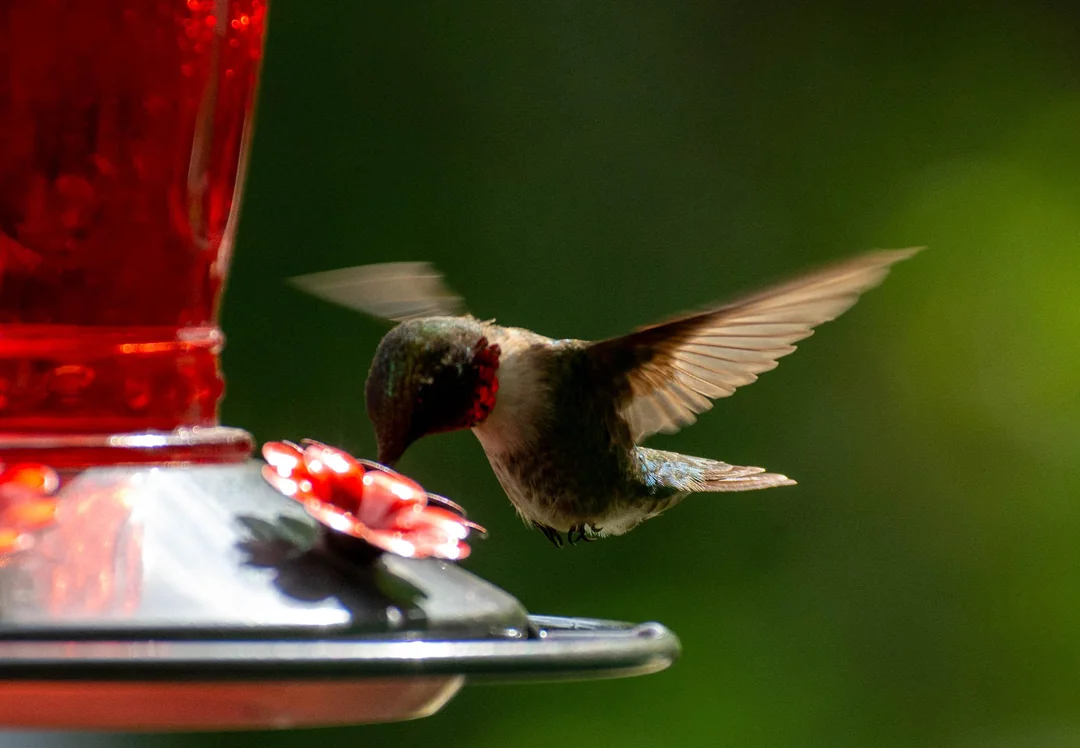
Making hummingbird food is easy and safe. You need water and sugar. It is important to use the right ratio so the birds get enough energy while the mixture stays fresh. Watching hummingbirds sip from a feeder I filled with my mixture never gets old. They hover, dart, and sometimes chase each other, showing their tiny but strong personalities.
Using the right mixture also keeps the birds healthy. I always make sure my feeders are clean, and the mixture is fresh. I have noticed that hummingbirds come back to feeders where the mixture is made correctly. They seem to recognize it, and it becomes part of their daily routine.
Next, I will explain how to properly make hummingbird food and share some tips I learned while observing these amazing birds.
How to Make the Perfect Mixture for Hummingbird Food
Making hummingbird food is easier than most people think. You only need two ingredients: plain water and white granulated sugar. Do not use honey, brown sugar, or artificial sweeteners because they can harm the birds.
The most important thing is the ratio. I always use one part sugar to four parts water. For example, if you take one cup of sugar, mix it with four cups of water. This is the same ratio that hummingbirds find in natural flower nectar. It gives them the right amount of energy for flying and hovering.
Start by boiling the water for one to two minutes. Boiling helps to remove any impurities and makes it easier for the sugar to dissolve. After boiling, let the water cool completely before adding the sugar. Add the sugar slowly and stir until it dissolves completely. Do not leave sugar crystals in the mixture, as they can clog the feeder holes and make it hard for the hummingbirds to drink.
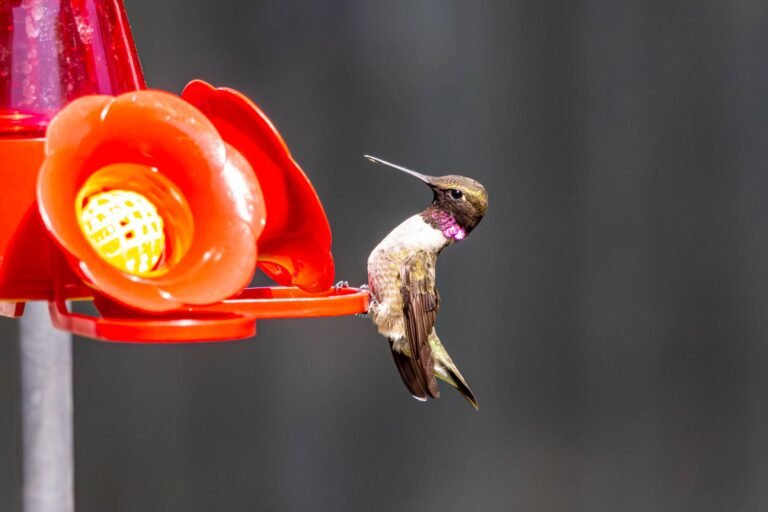
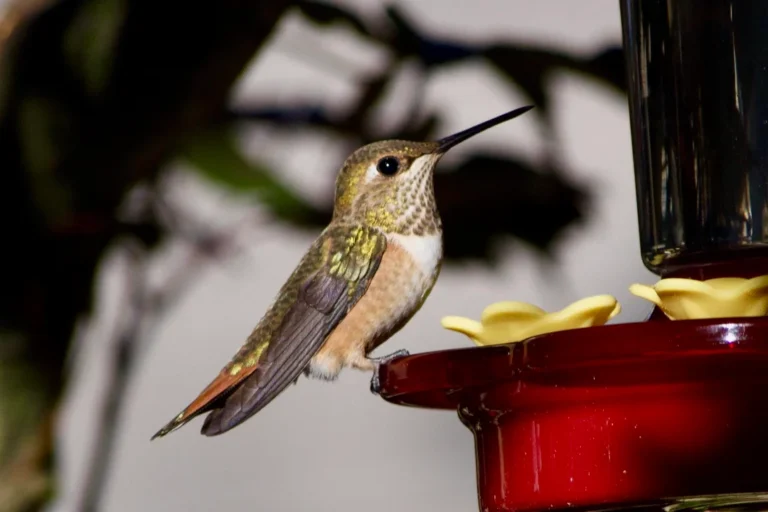
Once the mixture is ready, pour it into a clean hummingbird feeder. I always fill the feeder carefully to avoid spilling. Then I hang it in a safe spot, usually near flowers where the birds like to visit. Hummingbirds will often hover near the feeder for a moment before landing and sipping. I have noticed that if the mixture is too sweet or too weak, they may only taste it and leave.
It is important to change the mixture every two to three days, especially in warm weather. Old or fermenting sugar water can make hummingbirds sick. I keep a schedule and make a fresh mixture regularly. The birds quickly learn when their feeder is refilled and return daily.
Some people like to add food coloring, but I never do. Hummingbirds are attracted to the red parts of the feeder itself, not colored sugar water. Natural and clean mixture works best.
By following these simple steps, you can create a safe, healthy mixture for hummingbird food that will attract these tiny birds to your garden and give them the energy they need.
Important Hummingbird Facts Related to This Topic
Hummingbirds are amazing little birds. Watching them closely has taught me a lot about their needs and behaviors. Knowing these facts can help you make the best hummingbird food mixture and attract them safely.
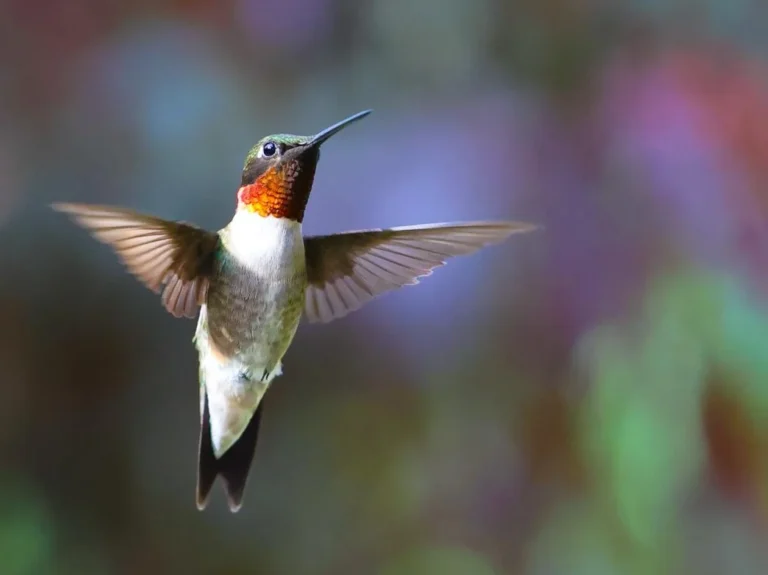
Hummingbirds have very fast metabolisms. They burn energy quickly because they flap their wings up to 80 times per second. This is why they need sugar-rich nectar to stay active. The mixture for hummingbird food provides the quick energy they need to hover, chase insects, and travel between flowers.
Different hummingbirds visit different types of flowers. They are attracted to bright colors, especially red, and feeders that stand out. I have seen hummingbirds ignore feeders that are hidden or dull. Placing your feeder near flowers or bright objects can make them more likely to visit.
Hummingbirds are very territorial. Males often chase other birds away from their feeding spots. I have watched one male hover in front of the feeder and swoop at any intruder. If you have multiple feeders, spread them out to reduce fighting and stress for the birds.
Hummingbirds drink frequently. I noticed that they return to a feeder several times a day. In hot weather, they may visit even more often. A fresh mixture is very important because they cannot survive on old or fermented sugar water.
Hummingbirds also have excellent memory. They remember which flowers or feeders gave them the best nectar. I have observed them visiting the same feeder at the same time each day. A well-made mixture will make them keep coming back.
By understanding these facts, you can see why the right mixture for hummingbird food and proper feeder placement are so important. These details help keep hummingbirds healthy and happy while letting you enjoy their fascinating behaviors.
Helpful Tips from a Hummingbird Watcher
Watching hummingbirds for years has taught me a few tricks that make feeding them easier and more successful.
First, always keep your feeders clean. I rinse mine every two or three days and wash them with hot water. Do not use soap, as its residues can harm the birds. Clean feeders prevent mold and bacteria that can make hummingbirds sick.
Second, place feeders in safe, quiet spots where birds like to feed, such as hanging feeders near shrubs or flowers, but away from areas with heavy human traffic. They will feel safe and return more often.
Third, use a fresh mixture. I make my mixture every two to three days, or more often in hot weather. Old sugar water ferments quickly and can be dangerous for the birds. A fresh mixture keeps them healthy and coming back regularly.
Fourth, observe their behavior. I have learned a lot just by watching how they hover, flap, and sip. You can see which feeders they like best and notice if any birds are struggling. Observation helps you adjust feeder placement and the amount of mixture.
Fi of mixture, be patient. Hummingbirds may not visit right away, especially early in the season. I have had days where only one or two birds showed up, and then suddenly the feeder is crowded. Keep the mixture fresh, and they will find it.
Common Mistakes People Make
Many beginners make simple mistakes that can be avoided.
One common mistake is using the wrong sugar ratio. Too much sugar can harm the birds, and too little may not give them enough energy. Stick to one part sugar to four parts water.
Another mistake is using honey or artificial sweeteners. These are unsafe for hummingbirds and can cause illness. Always use plain white granulated sugar.
Not cleaning the feeder is another problem. I have seen mold grow quickly if feeders are ignored. Moldy feeders can make hummingbirds sick.
Some people add red food coloring. I never do this because it is unnecessary. Hummingbirds are drawn to the feeder itself, not colored sugar water.
Finally, placing the feeder in a busy or unsafe spot is a mistake. Hummingbirds need to feel safe while feeding. If the feeder is near pets, loud areas, or too exposed, birds may avoid it.
By following these tips and avoiding common mistakes, you can create a safe, healthy feeding environment for hummingbirds. This makes it easier to enjoy their beautiful, energetic visits.
Frequently Asked Questions
What is the best mixture for hummingbird food?
The best mixture is one part white granulated sugar to four parts water. Boil the water first, then let it cool before stirring in the sugar. This is safe and gives hummingbirds the energy they need.
Can I use honey or brown sugar instead of white sugar?
No. Honey, brown sugar, or artificial sweeteners can harm hummingbirds. Always use plain white sugar.
How often should I change the mixture?
Change the mixture every two to three days. In hot weather, change it more often. Old sugar water can ferment and make birds sick.
Should I add red food coloring to attract hummingbirds?
No. Hummingbirds are attracted to the red parts of the feeder itself, not colored sugar water. Adding color is unnecessary and can be harmful.
Where should I place my feeder?
Place feeders in safe, quiet spots near flowers. Avoid busy areas with pets or heavy human traffic—hummingbirds like to feel secure while feeding.
Conclusion
Making a healthy mummingbird food mixture is simple. One part sugar to four parts water, clean feeders, and a fresh mixture are all you need to attract and care for these tiny birds.
Hummingbirds are fascinating to watch. They hover, dart, and sometimes chase each other around the feeder. By giving them the right mixture and safe feeding spots, you help them stay healthy and happy.
Pay attention to their behavior, keep your feeders clean, and enjoy the daily visits. With a little care and observation, your garden can become a favorite spot for hummingbirds. Watching them sip from your feeder is one of the most rewarding experiences for anyone who loves nature.

Sheri L. Williamson is a naturalist and hummingbird researcher. She studies hummingbirds and works to protect them. She is also the author of A Field Guide to Hummingbirds of North America in the Peterson Field Guide Series.