How To Make Hummingbird Feeder Sugar Water
Watching hummingbirds is one of the most rewarding experiences in a garden. These tiny birds move so fast their wings look like a blur. To enjoy them close by, you can use a hummingbird feeder. The key to attracting hummingbirds is filling your feeder with fresh sugar water. Knowing how to make hummingbird feeder sugar water correctly is very important.
Making sugar water is simple and safe for the birds when done right. I have spent many seasons preparing feeders and observing which mixtures work best. Hummingbirds visit regularly when the sugar water is just right. They hover, sip, and even play around the feeder. The right mix keeps them healthy and happy while letting you enjoy their amazing colors and quick movements.
In this guide, I will share my experience and show exactly how to make hummingbird feeder sugar water. You will also learn tips on keeping it safe and fresh, common mistakes to avoid, and interesting hummingbird behavior to notice while they feed.
Main Explanation of How to Make Hummingbird Feeder Sugar Water
Making hummingbird sugar water is very easy. You only need two simple ingredients: white granulated sugar and clean water. Never use honey, brown sugar, or artificial sweeteners. These can harm hummingbirds.
The correct ratio is four parts water to one part sugar. For example, if you use one cup of sugar, mix it with four cups of water. This ratio is close to the natural nectar found in flowers. I always measure carefully because too much sugar can make the birds sick.
Here is the step-by-step method I follow:
- Boil the water: Boiling helps remove any impurities and makes it easier for the sugar to dissolve. Let the water cool before adding it to the feeder.
- Add the sugar: Stir in the white granulated sugar until it completely dissolves. Do not add any food coloring; food-colored feeders are enough to attract hummingbirds.
- Cool the mixture: Make sure the sugar water is at room temperature before pouring it into the feeder. Hot water can harm the feeder and the birds.
- Fill the feeder: Pour the sugar water carefully into your hummingbird feeder. I always fill it just enough so it does not sit for too long.
Fresh sugar water is very important. I change my feeder at least every two to three days, and more often in hot weather. This keeps the water clean and prevents fermentation or mould. Watching hummingbirds sip fresh sugar water is one of my favorite parts of the day. They are very active and often return to the feeder several times in one morning.
Important Hummingbird Facts Related to Sugar Water
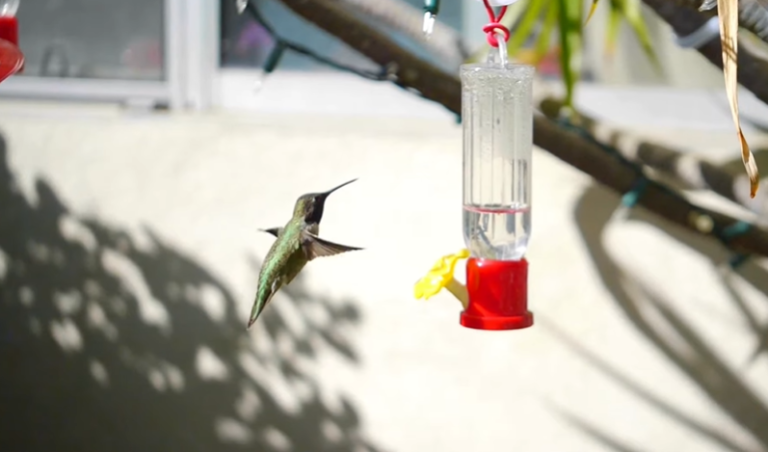
Hummingbirds are small but very active birds. They eat constantly because their tiny bodies burn energy quickly. Sugar water in a feeder gives them a quick source of energy, similar to the nectar they get from flowers. Watching them, you notice how fast they flap their wings and hover while feeding. This high energy use makes fresh sugar water essential.
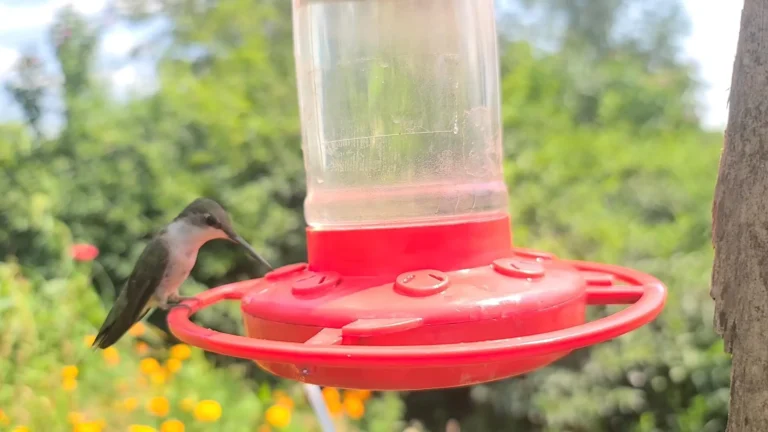
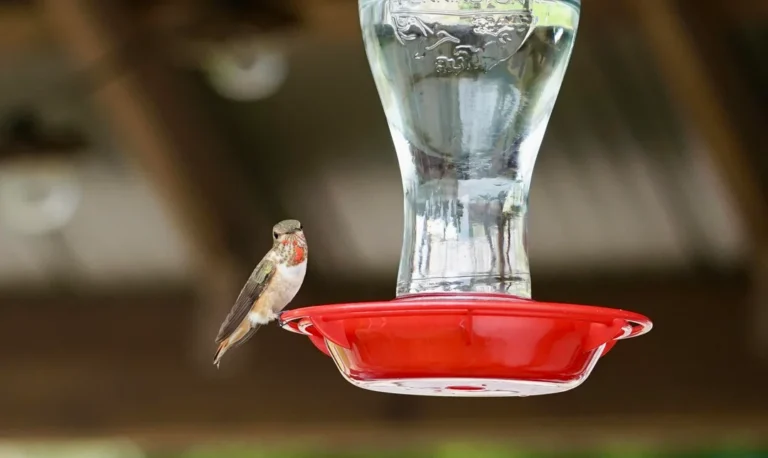
Hummingbirds have excellent eyesight. They are naturally attracted to bright colors, especially red. This is why red feeders work better than feeders of other colors. I have noticed that feeders with red parts get more visits than plain feeders.
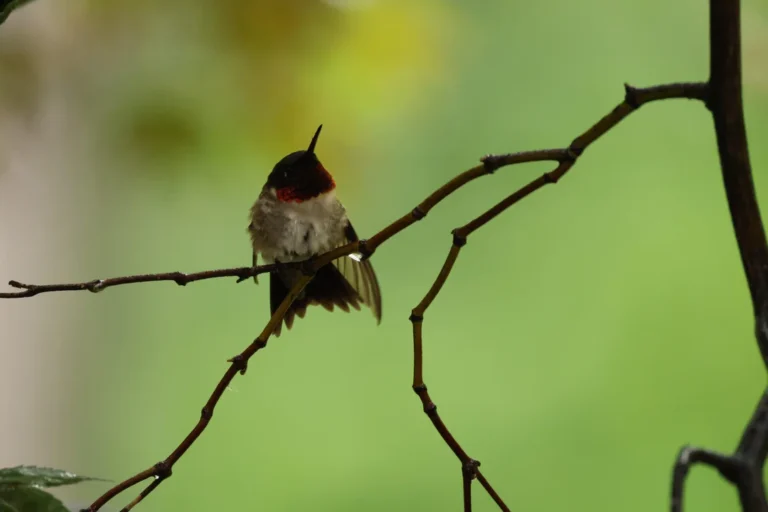
These birds are also territorial. Some hummingbirds will guard a feeder and chase others away. I often see the same hummingbird return to my feeder multiple times in a day. They remember which feeders are reliable and will keep coming back if the sugar water is fresh.
Another important fact is that hummingbirds drink frequently but in very small amounts. A single bird may visit a feeder dozens of times in a day. This means keeping the sugar water clean and refilled is more important than filling the feeder to the top.
Hummingbirds also prefer shallow feeders that mimic the flowers they naturally feed from. Wide openings or deep reservoirs can make it harder for them to feed. I have learned to choose feeders with small ports so the sugar water is easy for them to sip.
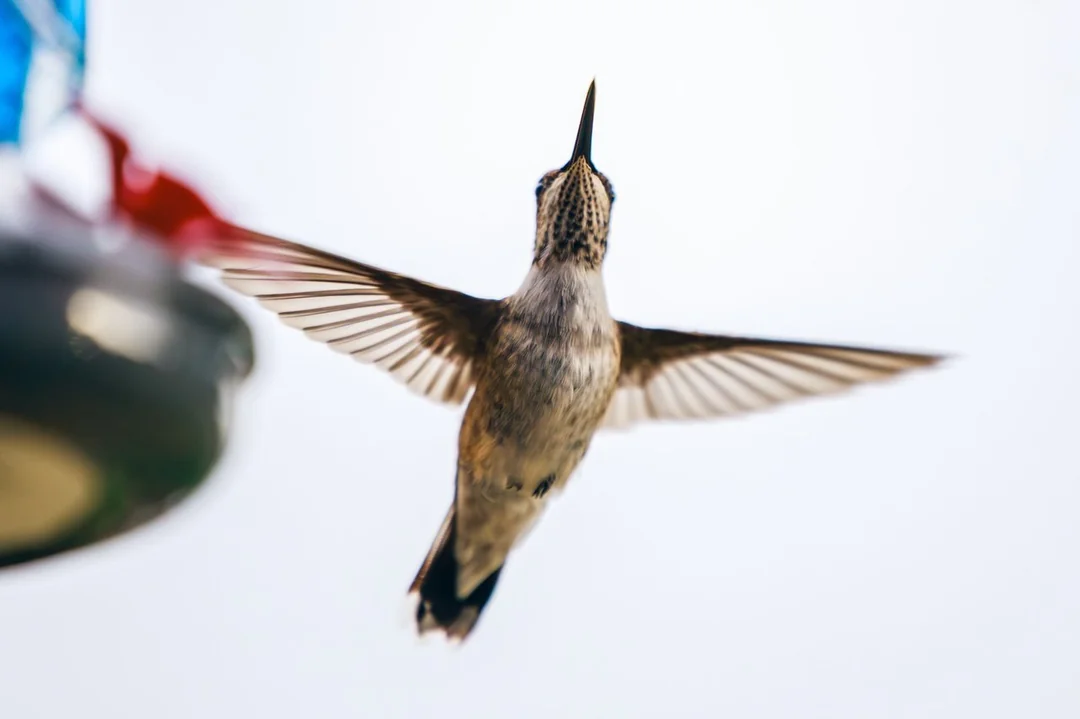
Observing hummingbirds in your garden gives you clues about their needs. They often hover, inspect the feeder, and sometimes feed while hanging upside down. These behaviors are natural and show that the feeder is safe and attractive when the sugar water is right.
Helpful Tips from a Hummingbird Watcher
Spending time with hummingbirds teaches a lot about their habits. Here are some tips I follow to make sure my feeders are safe and attractive:
- Keep feeders clean: I wash mine with hot water at least every two days. Mould or bacteria can grow quickly in sugar water and make hummingbirds sick.
- Use fresh sugar water: Always make new sugar water instead of reusing old water. Fresh water attracts more birds and keeps them healthy.
- Place feeders. Direct sunlight causes. I hang it turning in a partially shaded spot, so it stays fresher longer.
- Observe your birds: Watch which feeders and flowers they visit most. This helps you understand what they like and where to place feeders for the best results.
- Have multiple feeders: If you have several hummingbirds, extra feeders reduce fighting over one spot. I noticed that birds are calmer when they have more options.
Common Mistakes People Make
Even small mistakes can harm hummingbirds or cause them to avoid the feeder. I have seen these mistakes many times:
- Using the wrong sugar: Honey, brown sugar, or artificial sweeteners are dangerous. Only plain white sugar should be used.
- Adding red food coloring: Some people think this attracts more birds. It is not necessary and can be harmful. The red feeder is enough.
- Not cleaning the feeder: Dirty feeders can cause mould. Moldy sugar water is very bad for hummingbirds.
- Using too much sugar: A thick mixture can cause health problems. Always use four parts water to one part sugar.
- Leaving sugar water too long: In hot weather, sugar water can spoil in a day. Change it often to keep hummingbirds safe.
Following these tips has made my garden a favorite for hummingbirds. They are more active and come back every day when the sugar water is right and fresh.
Frequently Asked Questions
How often should I change hummingbird sugar water?
In warm weather, I change it every one to two days. In cooler weather, every three days is fine. Fresh water keeps the birds healthy and coming back.
Can I use honey or brown sugar?
No. Honey and brown sugar can make hummingbirds sick. Only plain white granulated sugar is safe.
Do I need to add refood coloring?
No. Hummingbirds are attracted to the red parts of the feeder. Food coloring isn’t needed and can be harmful.
How much sugar should I mix with water?
Use four parts water to one part sugar. For example, one cup of sugar in four cups of water. This is close to natural flower nectar.
Where should I place my feeder?
I place mine in a partly shaded spot near flowers. Hummingbirds feel safe, and the sugar water stays fresh longer.
Conclusion
Making hummingbird feeder sugar water is simple and safe when done correctly. Use only white sugar and clean water. Follow the four-to-one ratio and keep the feeder fresh and clean. Place feeders in a safe, shaded area and watch the birds enjoy their sweet treat.
Hummingbirds are small but very active. Fresh sugar water helps them stay healthy and gives you a chance to enjoy their fast movements and beautiful colors. Observing their behavior helps you understand them better. With these tips, anyone can create a hummingbird-friendly garden and enjoy watching these amazing birds every day.

Sheri L. Williamson is a naturalist and hummingbird researcher. She studies hummingbirds and works to protect them. She is also the author of A Field Guide to Hummingbirds of North America in the Peterson Field Guide Series.