Hummingbird Sugar and Water Recipe | Safe Nectar Mix
Early in the morning, I like to sit near my garden and watch the hummingbirds come in. The first bird usually arrives just after sunrise. It hovers for a second, then quickly drinks from the feeder before flying to a nearby tree branch. After many seasons of watching them, I have learned that keeping the feeder filled with fresh nectar makes a big difference.
Many people ask about the best hummingbird sugar and water recipe. The good news is that it is very simple. You do not need fancy ingredients or expensive nectar mixes. Hummingbirds do best with a clean and natural mixture made from ordinary white sugar and water.
When the feeder has the right nectar, the birds come back again and again. I often notice the same hummingbird visiting several times each hour. It quickly drinks, looks around for a moment, and then flies off to nearby flowers. That simple sugar water gives them the energy they need for their fast wings and busy days.
A good hummingbird sugar and water recipe closely matches the natural sweetness found in flower nectar. When you prepare it the right way and keep the feeder clean, hummingbirds quickly learn that your yard is a reliable food source.
Main explanation of the hummingbird sugar and water recipe
The best hummingbird sugar and water recipe is very simple. I have used the same recipe for years, and the birds return to my feeder every season.
The basic rule is easy to remember. Use one part white sugar and four parts water.
For example, you can mix:
- One cup of white sugar with four cups of water. Or you can make a smaller batch like this.
- One quarter cup of sugar with one cup of water.
- Both work the same. The important thing is to keep the ratio close to one to four.
I usually heat the water first. Warm water helps the sugar dissolve faster. Once the sugar is fully dissolved, I let the nectar cool before pouring it into the feeder.
You do not need to boil the mixture for a long time. A short heating is enough to dissolve the sugar well. After that, the nectar is ready to use.
I refill my feeder with this hummingbird sugar and water recipe every few days. Fresh nectar attracts more birds and keeps them healthy.
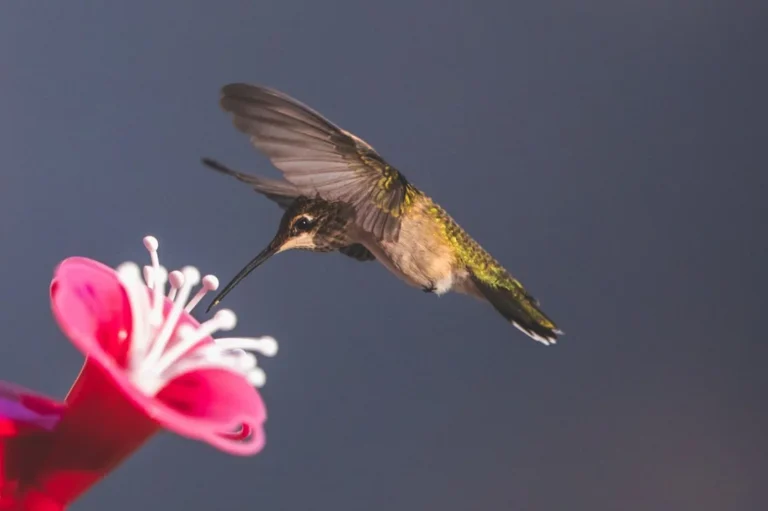
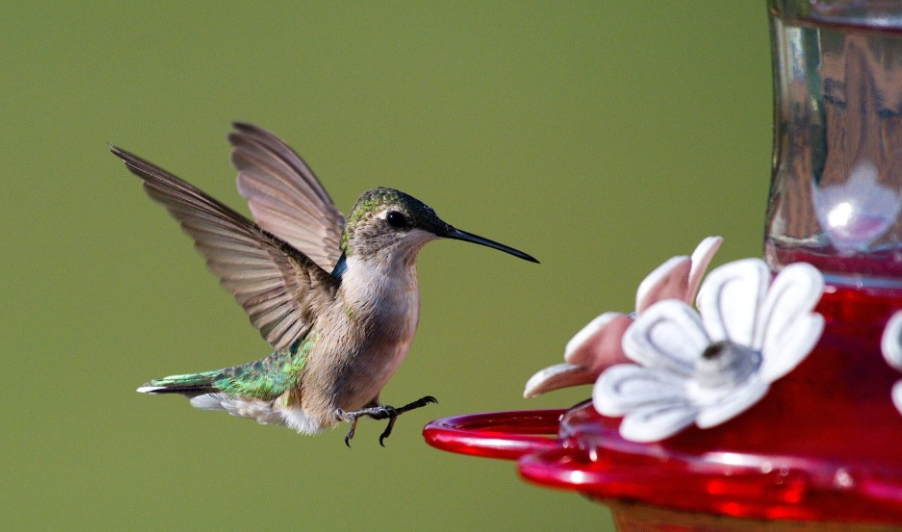
When the feeder is clean and the nectar is fresh, hummingbirds often arrive quickly. Sometimes they appear within minutes after I refill it. They hover for a moment, then dip their long bill into the feeder port and drink.
One thing I always remind beginners is to use plain white sugar only. This type of sugar is closest to the natural nectar hummingbirds find in flowers.
Brown sugar, honey, and artificial sweeteners should never be used. These can harm hummingbirds and spoil the nectar quickly.
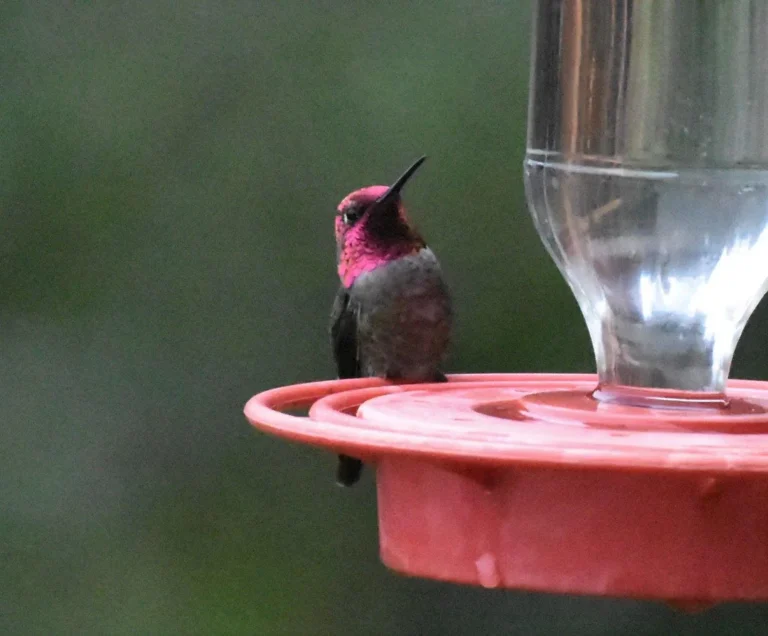
Red dye is also not needed. The feeder itself usually has red parts that attract hummingbirds. The nectar should stay clear like natural flower nectar.
Another helpful habit is making small batches. Hummingbird nectar can spoil in hot weather. By making a smaller amount of this hummingbird sugar and water recipe, you can keep the feeder fresh more often.
Over time, hummingbirds begin to recognize your yard as a reliable feeding spot. I often see them flying straight to the feeder without even stopping to look around.
That simple mixture of sugar and water provides the quick energy hummingbirds need. Their wings beat extremely fast, and they burn a lot of energy during the day. The nectar helps them stay active as they move between flowers, trees, and feeders.
Important hummingbird facts related to this topic
Watching hummingbirds over the years has helped me understand how important good nectar is for them. Their bodies use energy very quickly. That is why the hummingbird sugar and water recipe works so well. It gives them a quick source of fuel that is very similar to flower nectar.
One thing I notice often is how frequently hummingbirds eat. A hummingbird may visit a feeder many times during the day. Sometimes I see the same bird return every twenty minutes. They drink a small amount, rest on a nearby branch, and then fly off again.
Their wings move extremely fast. Most hummingbirds beat their wings dozens of times every second. That constant movement burns a lot of energy. The sugar in nectar helps replace that energy quickly.
Another interesting behavior is how hummingbirds remember good food sources. When I first put out a feeder, it can take a little time before birds discover it. But once they find it, they usually come back every day. I have watched the same bird sit on the same small tree branch while guarding the feeder.
Territory is also common with hummingbirds. One bird may claim a feeder and chase away others. I see this behavior almost every day in my garden. The bird will drink, then sit nearby and watch for other hummingbirds that try to approach.
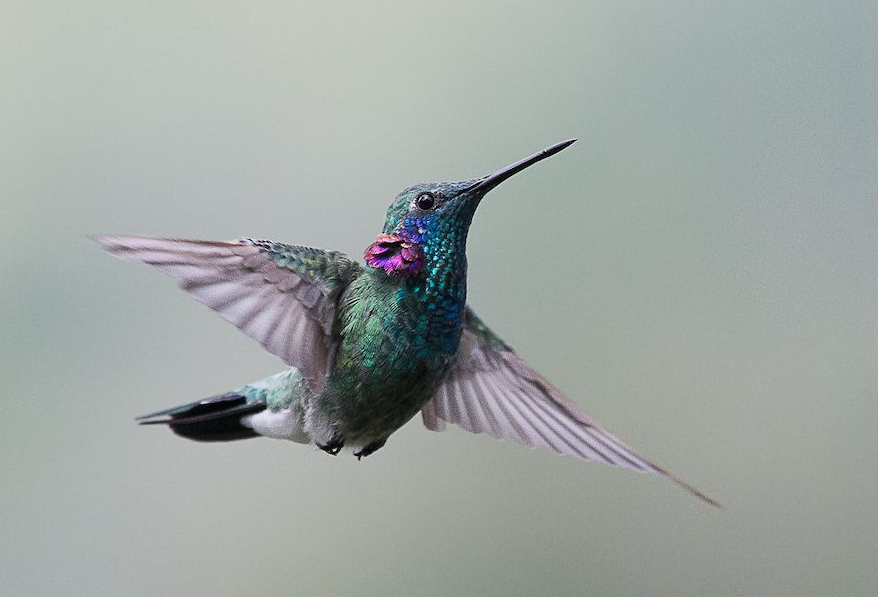
Flowers are still an important part of their diet. Even with feeders in the yard, hummingbirds spend time visiting natural flowers. Bright flowers such as trumpet vine, bee balm, and salvia often attract them. The feeder gives them an extra reliable source of nectar.
Protein is also important for hummingbirds. Many people think they only drink nectar, but that is not true. I often see them catching tiny insects in the air or picking them from leaves. These insects provide protein that helps them stay strong.
Clean nectar matters because hummingbirds are very sensitive to spoiled food. When sugar water sits too long in warm weather, it can start to grow mold or bacteria. If the nectar smells strange or looks cloudy, it should be replaced immediately.
This is why I refresh my feeder often, using the simple hummingbird sugar and water recipe. Fresh nectar keeps the birds healthy and encourages them to keep visiting.
Over time, you begin to recognize small patterns in their behavior. Some birds arrive early in the morning. Others visit more often in the late afternoon. On warm summer days, feeder activity can be almost constant.
These tiny birds depend on reliable food sources. A clean feeder filled with fresh nectar can become one of their favorite places in the yard.
Common mistakes people make
Over the years, I have talked with many people who want to attract hummingbirds. Most people mean well, but a few common mistakes can cause problems. A good hummingbird sugar and water recipe is simple, yet small errors can make the nectar unsafe.
One common mistake is using the wrong type of sugar. Some people try brown sugar, raw sugar, or honey. These may sound natural, but they are not safe for hummingbirds. Honey can grow harmful fungus. Brown sugar contains minerals that hummingbirds do not need.
The safest choice is always plain white sugar. It is the closest match to natural flower nectar.
Another mistake is adding red dye to the nectar. Many store products include dye, but hummingbirds do not need colored nectar. In my garden, the feeder itself is red, and that is enough to attract them. Clear nectar is healthier for the birds.
Some people also make the nectar too strong. They think extra sugar will help hummingbirds. In reality, nectar that is too sweet can be hard for them to digest. The correct hummingbird sugar and water recipe is one part sugar and four parts water.
Dirty feeders are another big problem. I sometimes visit friends who say hummingbirds have stopped coming. When I check their feeder, it often has old nectar inside. Warm weather can spoil sugar water quickly.
When nectar becomes cloudy or sticky, it should be replaced right away. A clean feeder keeps hummingbirds safe and encourages them to return.
Another mistake is leaving feeders in direct sunlight all day. Strong heat can make nectar spoil faster. I usually place my feeder where it gets morning sun and afternoon shade. This helps the nectar stay fresh longer.
Helpful tips from a hummingbird watcher
Spending time watching hummingbirds teaches you small tricks that make feeders more successful. These tips come from many quiet mornings in my garden.
First, always make fresh nectar in small amounts. I usually prepare just enough for a few days. This keeps the hummingbird sugar and water recipe fresh and safe.
Cleaning the feeder often is very important. I rinse mine with warm water every time I refill it. About once a week, I wash it more carefully to remove any hidden residue.
Location also matters. Hummingbirds like feeders that are close to trees or shrubs. They often drink and then fly to a nearby branch to rest. In my yard, there is a small maple tree near the feeder, and the birds use it constantly.
Another helpful tip is to place more than one feeder in the yard. Hummingbirds can be very territorial. One bird may try to control a single feeder and chase others away. When I added a second feeder on the opposite side of the garden, more hummingbirds started visiting.
Watching their behavior can also tell you when to refill nectar. If hummingbirds visit often but leave quickly, the feeder may be empty, or the nectar may not taste fresh.
One of my favorite moments is when a hummingbird becomes familiar with the feeder routine. Sometimes a bird appears almost immediately after I refill it. It hovers in front of the feeder as if it has been waiting nearby.
These small observations make hummingbird watching very rewarding. A clean feeder and a simple hummingbird sugar and water recipe can turn almost any yard into a place hummingbirds love to visit.
Frequently Asked Questions
How do you make a hummingbird sugar and water recipe?
The standard recipe is very simple. Mix one part white sugar with four parts water. Stir until the sugar fully dissolves. Let the mixture cool before adding it to the feeder. This mixture closely matches the sweetness of natural flower nectar.
Do I need to boil the hummingbird nectar?
Boiling is not always required, but warm water helps the sugar dissolve quickly. I usually heat the water first, mix in the sugar, and then allow it to cool. The important part is making sure the sugar fully dissolves.
Can I use honey or brown sugar instead of white sugar?
No. Honey and brown sugar are not safe for hummingbirds. Honey can grow harmful fungus, and brown sugar contains extra minerals. The safest choice for a hummingbird sugar and water recipe is always plain white sugar.
How often should I change hummingbird nectar?
In warm weather, I usually replace nectar every two to three days. During cooler weather, it may last a little longer. If the nectar looks cloudy or sticky, it should be replaced right away.
Do hummingbirds really prefer feeders over flowers?
From what I see in my garden, hummingbirds still love flowers. They visit trumpet-shaped blooms often. The feeder gives them another reliable place to get energy. Many hummingbirds drink from the feeder and then continue visiting flowers nearby.
Conclusion
Watching hummingbirds is one of the most peaceful parts of spending time in the garden. These tiny birds move fast, but if you sit quietly, you cannot notice their daily habits and favorite feeding spots.
A simple hummingbird sugar and water recipe makes it easy to support them. The correct mixture is one part white sugar and four parts water. When the nectar is fresh and the feeder is clean, hummingbirds return again and again.
I often see the same bird visit several times during the day. It drinks for a moment, then rests on a nearby branch before flying off to flowers. That small feeder becomes part of its daily routine.
Clean feeders, fresh nectar, and a safe recipe help hummingbirds stay healthy. Even a small yard can become a place they trust for food and energy.
Once hummingbirds discover your feeder, you may start seeing them every morning. Over time, you learn their patterns and behaviors. For many bird watchers, that simple moment of a hummingbird hovering near the feeder becomes the best part of the day.

Sheri L. Williamson is a naturalist and hummingbird researcher. She studies hummingbirds and works to protect them. She is also the author of A Field Guide to Hummingbirds of North America in the Peterson Field Guide Series.