Do Hummingbirds Know Who Feeds Them | Recognition & Memory
People often ask a question that I hear a lot from backyard bird lovers. Do hummingbirds know who feeds them?
After watching hummingbirds in my garden for many seasons, I can say their behavior is fascinating. These tiny birds notice much more than people think. They remember flowers, feeders, and even the places where food appears every day.
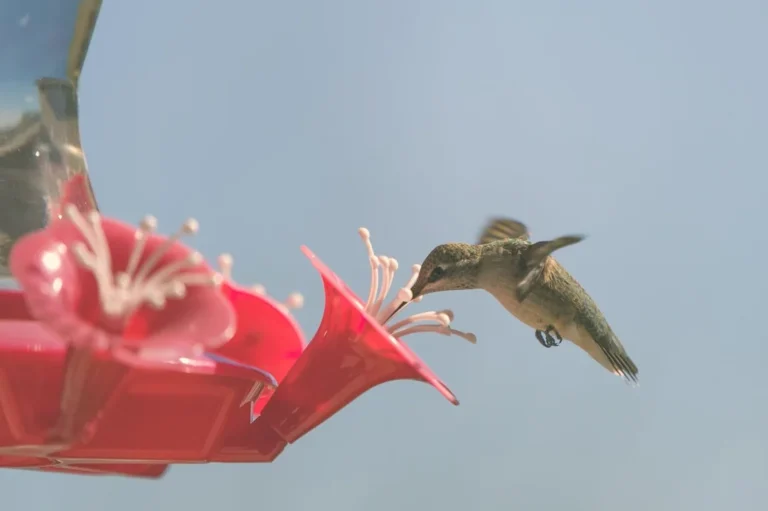
Many mornings, I refill my feeder and step back to watch. Within minutes, a hummingbird often returns to the exact feeder. Sometimes the same bird hovers nearby while I am still outside. Moments like that make many people wonder if hummingbirds recognize the person who feeds them.
The short answer is that hummingbirds are very good at remembering places where food is found. Their brains are small, but their memory is surprisingly strong. While they may not recognize humans in the same way we recognize each other, their behavior often shows they associate certain places and routines with food.
Understanding this helps people enjoy hummingbird watching even more. When you see how quickly these birds learn and return, you start to appreciate just how intelligent they are.
Main Explanation
Many people who keep hummingbird feeders start to notice a pattern after a few weeks. The same hummingbirds return again and again. They often show up around the same time each day. This makes people ask the question again. Do hummingbirds know who feeds them?
From what I have observed in my garden, hummingbirds clearly remember reliable food sources. They quickly learn where nectar is available. Once they find a feeder that stays full, they check that spot many times during the day.
Hummingbirds have excellent spatial memory. This means they remember locations very well. In the wild, they visit hundreds of flowers every day. They remember which flowers had nectar and which ones were empty. This same ability helps them remember feeders in backyards.
Sometimes I step outside to clean or refill the feeder. A hummingbird may hover nearby while I work. The bird keeps a short distance but watches closely. As soon as I walk away, it flies straight to the feeder.
This behavior makes it feel like the hummingbird knows the person who provides the food. What is really happening is that the bird has learned a pattern. It connects the feeder and the routine of fresh nectar with a certain place and time.
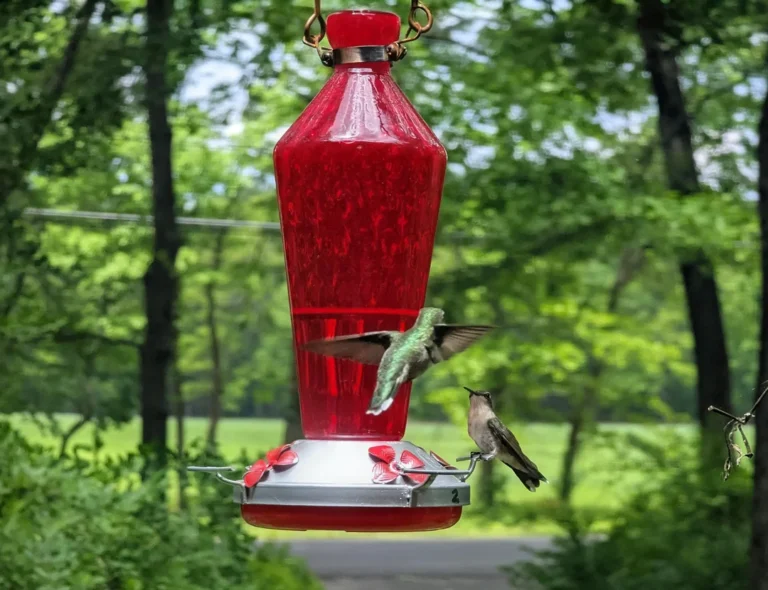
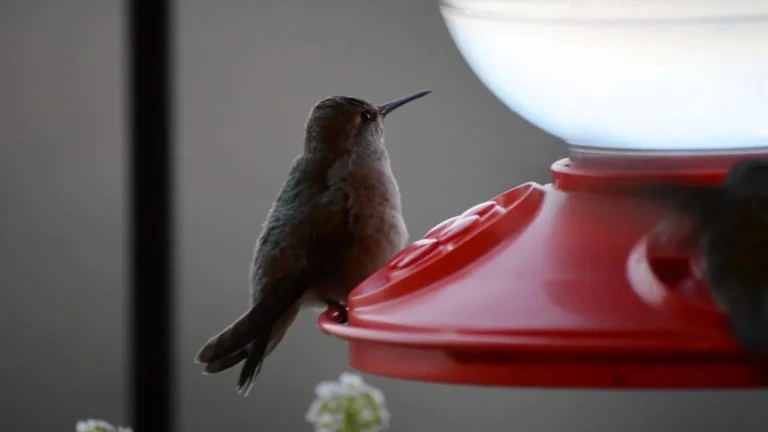
Hummingbirds are also very territorial. One hummingbird may guard a feeder and chase others away. I often see one small bird sitting on a nearby branch. It watches the feeder carefully and rushes over whenever another hummingbird tries to drink.
Because of this strong memory and territorial behavior, hummingbirds quickly become familiar with the feeding spot. Over time, they may even seem comfortable when the same person is nearby.
So when people ask whether hummingbirds know who feeds them, the honest answer is that they recognize reliable food sources and routines. They may also become used to seeing the same person near the feeder.
Important Hummingbird Facts Related to This Topic
Spending time watching hummingbirds teaches you many small details about how they behave. These tiny birds depend on memory and routine to survive. When you understand a few key facts about hummingbirds, the question becomes clearer. Do hummingbirds know who feeds them? Their behavior shows how strong their memory really is.
Hummingbirds Have Excellent Memory
One thing I noticed quickly after setting up feeders is how fast hummingbirds learn. It does not take long for them to remember a feeder location.
In nature, they visit many flowers each day. Some studies suggest a hummingbird may visit hundreds or even thousands of flowers daily. They must remember which flowers had nectar and which ones were already empty.
I often see the same hummingbird follow a very specific route through the garden. It visits the same flowers, checks the feeder, then comes back later once nectar has had time to refill.
This strong memory helps explain why hummingbirds return to feeders so consistently.
They Recognize Feeding Routines
Hummingbirds also learn routines very quickly. If you refill a feeder at a similar time each morning, they often start arriving around that time.
In my yard, I usually refresh the nectar early in the morning. After a few weeks, I began noticing hummingbirds arriving shortly after sunrise. It almost felt like they knew breakfast was ready.
What they are really responding to is the pattern. They learn that this place regularly provides food.
They Become Familiar With Safe Spaces
Hummingbirds are cautious birds. They watch their surroundings carefully before feeding.
At first, they may stay far away while a person is nearby. But after many days of seeing the same calm movement around the feeder, they begin to relax.
I have had hummingbirds continue feeding while I quietly sit a few feet away. They seem to understand that the area is safe.
This behavior makes people wonder again if hummingbirds know who feeds them. The birds are not thinking about humans the way we do, but they do learn which environments feel safe and reliable.
Territorial Behavior Shows Strong Awareness
Another important behavior is how territorial hummingbirds are.
Often, one hummingbird claims the feeder as its own. It sits on a nearby branch and watches closely. If another hummingbird approaches, it quickly flies out and chases it away.
This guarding behavior shows just how aware hummingbirds are of their feeding spots. They know exactly where their food source is located, and they protect it.
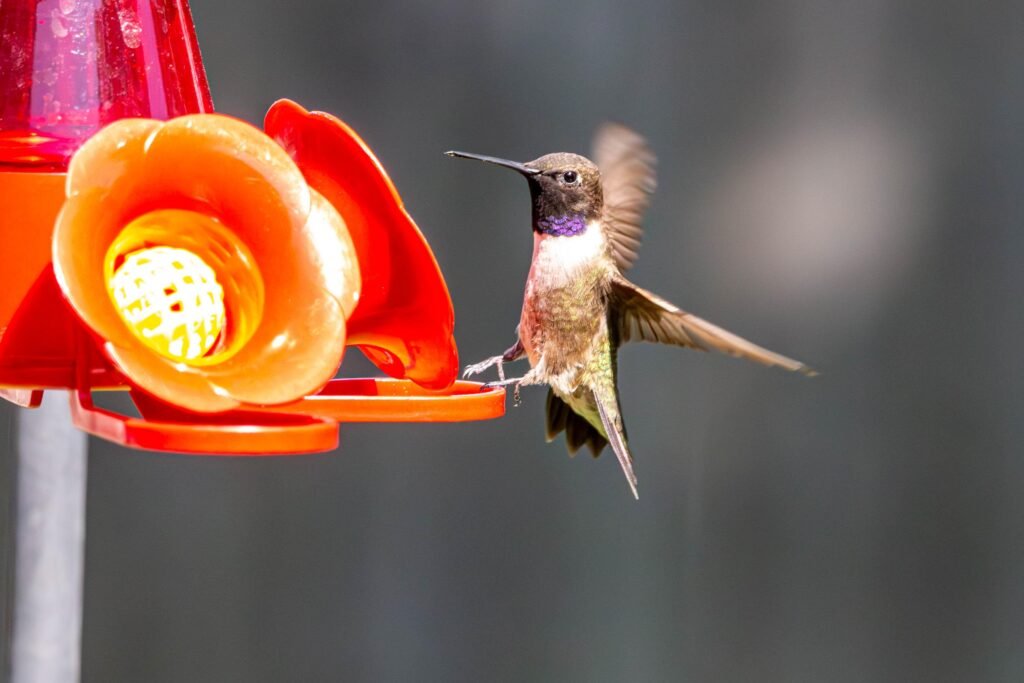
Watching this happen in a backyard garden is one of the most interesting parts of keeping hummingbird feeders.
Their memory, routines, and territorial habits all work together. These behaviors explain why hummingbirds return to the same places and why they seem so familiar with the person who maintains the feeder.
Common Mistakes People Make
Watching hummingbirds has taught me that small mistakes can affect how often these birds visit a feeder. Many beginners set up a feeder with good intentions, but a few simple problems can keep hummingbirds away.
Letting Nectar Stay Too Long
One common mistake is leaving nectar in the feeder for too many days.
Sugar water can spoil, especially in warm weather. When nectar begins to ferment or grow mold, hummingbirds may stop visiting.
I try to change the nectar every few days. In hot summer weather, I sometimes refresh it even sooner. Clean nectar keeps hummingbirds coming back regularly.
Using Red Dye in Nectar
Another mistake I often see is using red colored nectar.
Hummingbirds are attracted to the color red, but the feeder itself usually provides enough color. The sugar water does not need dye.
Simple, clear nectar made from sugar and water is always the safest option.
Placing the Feeder in a Poor Location
Feeder placement matters more than many people realize.
If the feeder is placed in direct sunlight all day, the nectar can spoil faster. If it is too hidden, hummingbirds may not notice it easily.
I usually hang feeders where they are visible, but also near trees or shrubs. This gives hummingbirds a safe place to rest while watching the feeder.
Not Cleaning the Feeder Properly
A dirty feeder can quickly stop hummingbird visits.
Even if nectar looks clear, bacteria and mold can build up inside the feeding ports.
I make it a habit to rinse and scrub the feeder whenever I refill it. This simple routine keeps hummingbirds healthy and encourages them to return.
Helpful Tips From a Hummingbird Watcher
After years of watching hummingbirds in gardens and natural areas, I have learned a few habits that make feeding them easier and more enjoyable.
Keep a Consistent Routine
Hummingbirds love predictable food sources.
When feeders are refilled regularly, the birds learn that this location is reliable. Over time, they visit more often and sometimes even arrive at similar times each day.
Plant Nectar Rich Flowers
Feeders are great, but flowers make a big difference too.
Flowers such as bee balm, salvia, trumpet vine, and columbine attract hummingbirds naturally. When these plants grow near feeders, hummingbirds stay longer in the garden.
I often see hummingbirds move back and forth between flowers and feeders throughout the day.
Provide Nearby Perches
Hummingbirds spend a lot of time resting.
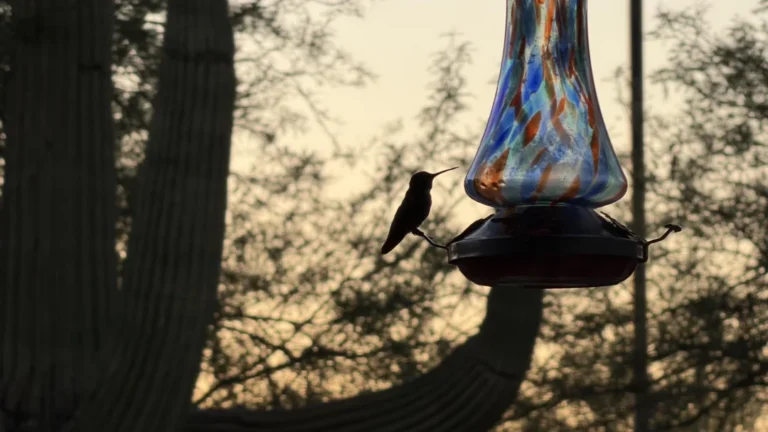
A small branch, garden wire, or twig near the feeder gives them a place to sit while guarding their feeding spot. Watching a hummingbird perch and watch the feeder is one of the most interesting sights in the yard.
Stay Calm Around the Feeder
If you move slowly and calmly near the feeder, hummingbirds may continue feeding.
Sudden movement can scare them away. Quiet observation helps them feel comfortable in the area.
Over time, they may seem very relaxed around the feeding spot.
Frequently Asked Questions
Do hummingbirds remember feeders?
Yes, hummingbirds have excellent memory. They remember reliable food sources and return to them many times each day.
Do hummingbirds recognize people?
Hummingbirds may become familiar with people who regularly maintain feeders. They recognize safe environments and routines, which can make it seem like they recognize the person.
Why do hummingbirds hover near me when I refill the feeder?
This usually happens because the bird is guarding the feeder. It is waiting for fresh nectar and wants to return as soon as the feeder is ready.
How long does it take for hummingbirds to find a feeder?
Sometimes hummingbirds find a new feeder within a few hours. In other cases, it may take several days until they discover it while exploring nearby flowers.
Why do the same hummingbirds keep returning?
Hummingbirds are territorial and also have strong memories. When they find a good feeding spot, they return often and may even defend it from other birds.
Conclusion
Many people who enjoy backyard bird watching eventually ask the same question. Do hummingbirds know who feeds them?
From years of watching these birds, the answer becomes clearer through their behavior. Hummingbirds have strong memories and quickly learn where reliable food sources are located. They remember feeders, recognize routines, and return to the same spots again and again.
They may not understand humans the same way we understand each other, but they definitely learn which places provide food and which areas feel safe.
With clean feeders, fresh nectar, and a calm garden environment, hummingbirds often become regular visitors. Watching them return each day is one of the most rewarding parts of keeping a hummingbird-friendly yard.

Sheri L. Williamson is a naturalist and hummingbird researcher. She studies hummingbirds and works to protect them. She is also the author of A Field Guide to Hummingbirds of North America in the Peterson Field Guide Series.