Raccoon Proof Hummingbird Feeder | Best Squirrel & Pest Guard
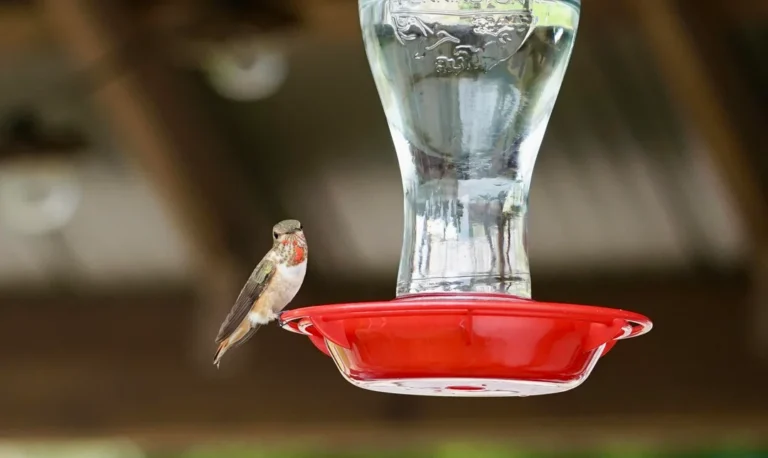
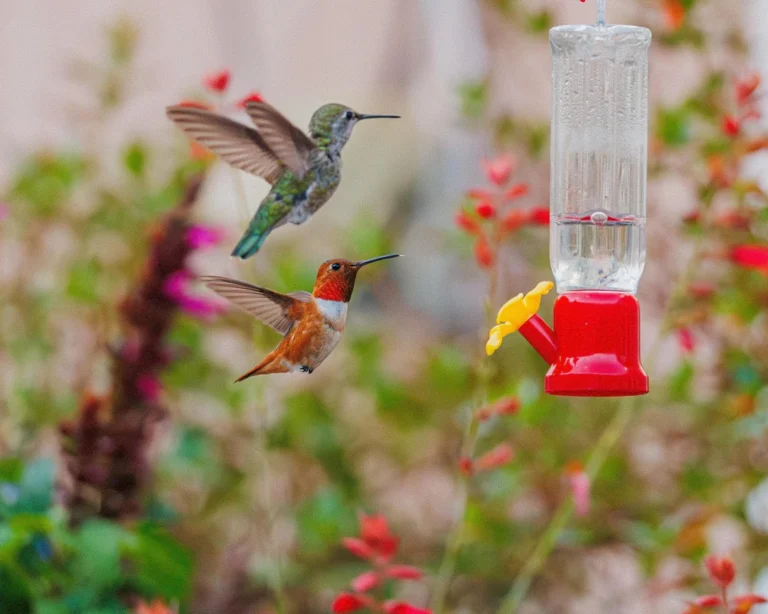
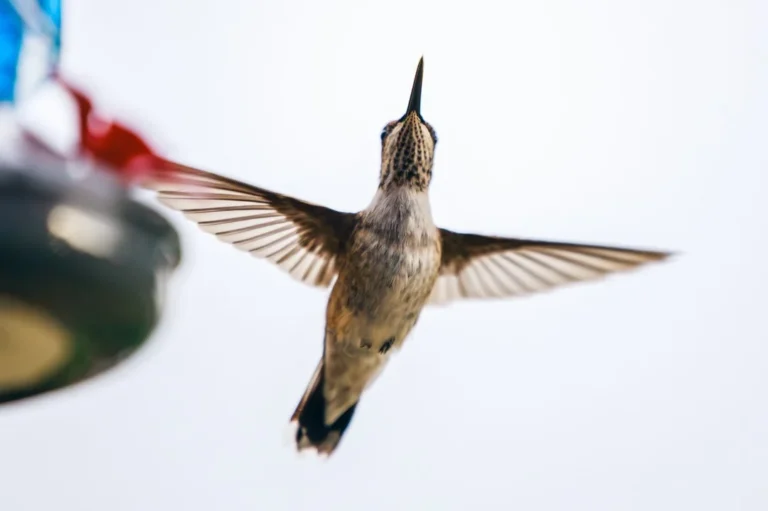
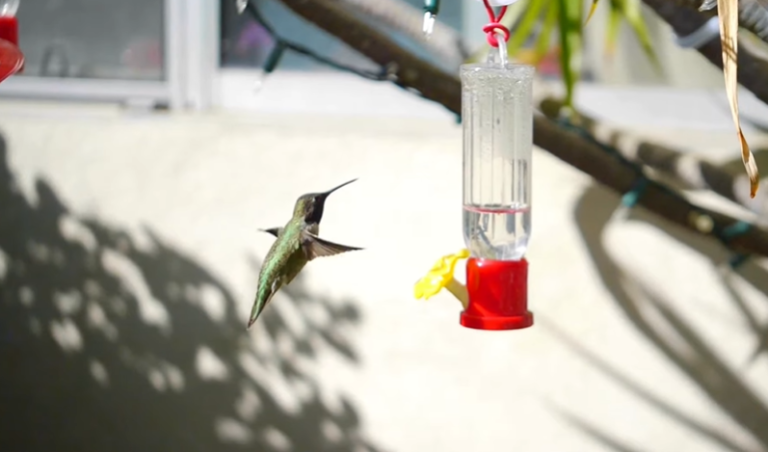
Early in the morning, I like to sit near my garden and watch the hummingbirds visit the feeder. They come quickly, hover for a moment, drink the sweet nectar, and then zip away to the next flower. It is one of the most peaceful things to watch in a backyard.
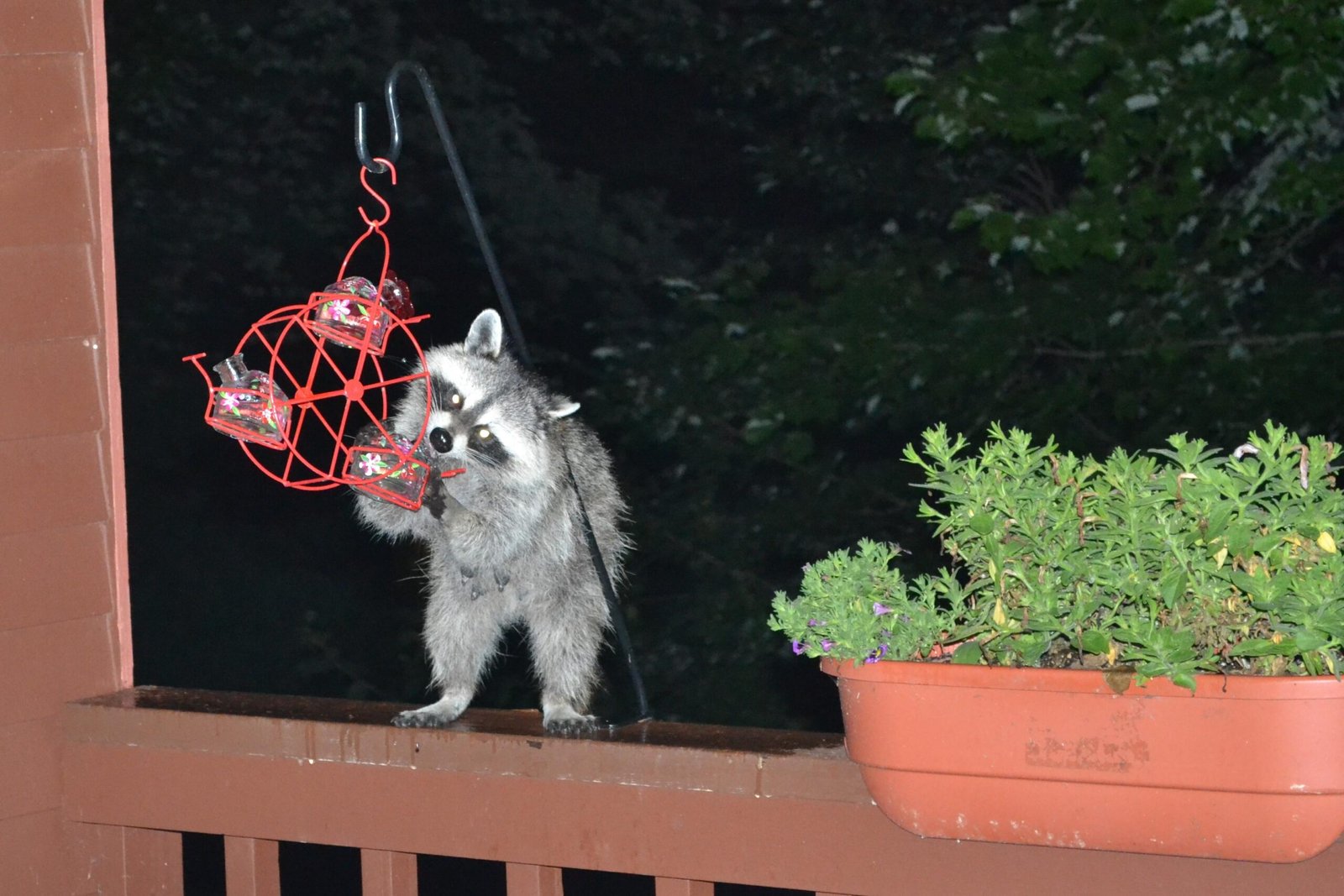
But if you keep hummingbird feeders long enough, you will notice something else visiting at night. Raccoons. I learned this the hard way one summer when I woke up and found my feeder on the ground with nectar spilled everywhere. The hummingbirds were confused,d and the feeder was empty.
That is when I started learning about using a raccoon-proof hummingbird feeder. Raccoons are very clever animals. They climb poles, grab feeders, and sometimes pull them apart looking for the sweet sugar water.
A good raccoon-proof hummingbird feeder protects the nectar so the birds can enjoy it safely. It also keeps the feeder clean and prevents wasted food.
If you enjoy watching hummingbirds as much as I do, protecting your feeder from raccoons is one of the best things you can do for your backyard birds.
Main explanation of the topic
A raccoon-proof hummingbird feeder is designed to stop raccoons from reaching the nectar. Raccoons are strong and very smart animals. They can climb trees, poles, fences, and even reach hanging feeders if they get close enough.
I have watched raccoons in my yard at night using a small flashlight. They move slowly and use their front paws almost like hands. If a feeder hangs low or sits close to a branch, a raccoon will often grab it and pull it down.
This is why normal feeders sometimes fail. They are made for birds, not for animals that climb and grab.
A raccoon-proof hummingbird feeder usually solves this problem in a few simple ways.
First, many feeders use a baffle or guard above the feeder. This is a wide plastic or metal dome that blocks animals from reaching down. When a raccoon climbs down the pole or tries to reach from above, the guard stops them.
Second, some feeders are designed to hang far away from branches or fences. Raccoons need something to stand on. If the feeder hangs in an open space, they cannot reach it.
Third, strong feeders use tight lids and solid parts so raccoons cannot pull them apart. Cheap feeders sometimes twist open easily. A sturdy feeder stays closed even if an animal grabs it.
Another helpful feature is placing the feeder on a smooth pole with a baffle. I switched to this setup in my garden, and it made a big difference. The hummingbirds still visit every day, but the raccoons cannot climb past the guard.
The goal is simple. Let the hummingbirds reach the nectar while making it impossible for raccoons to get close.
When the feeder is protected, the birds return again and again. Hummingbirds remember safe feeding spots. Once they trust a feeder, they often visit it many times throughout the day.
Important hummingbird facts related to this topic
Watching hummingbirds over the years has taught me something important. These birds depend on steady food sources. When they find a feeder with fresh nectar, they remember that location and come back many times each day.
A hummingbird can visit the same feeder dozens of times in a single day. Their bodies burn energy very fast, so they need frequent meals. This is why a protected feeder matters. When raccoons spill the nectar at night, the birds arrive in the morning and find nothing.
I have seen hummingbirds hover around an empty feeder, looking confused. They check each feeding port and then fly away searching for another source of nectar.
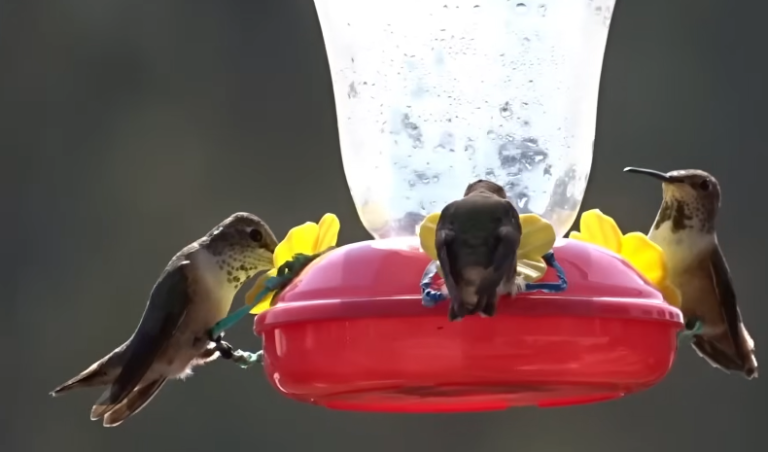
Another thing I notice often is how territorial hummingbirds can be. One hummingbird may guard the feeder and chase away others. If the feeder disappears because a raccoon knocked it down, that bird loses an important feeding spot.
Hummingbirds also prefer feeders that stay in the same place. When a feeder moves or falls often, it can disrupt their routine. A raccoon-proof hummingbird feeder helps keep the feeding station stable and reliable.
Clean nectar is another important factor. When raccoons knock over feeders, the sugar water can attract ants and other animals. This can make the feeder messy and unhealthy for birds.
Hummingbirds are also very observant. They quickly learn where safe food sources are. Once a feeder is protected from raccoons and kept clean, the birds tend to trust it.
In my garden, I notice that the same few hummingbirds return every morning around sunrise. They hover near the feeder first before flying to nearby flowers.
Protecting the feeder helps maintain this daily rhythm. The birds know they can rely on that spot for energy, especially during hot summer days when they need frequent nectar to stay active.
Common mistakes people make
Many people hang a feeder and assume it will stay safe. I used to think the same thing. Then one morning, I walked outside and found the feeder lying on the ground with nectar everywhere.
One common mistake is hanging the feeder too close to a tree branch. Raccoons are excellent climbers. If a branch is nearby, they can reach down and grab the feeder easily.
Another mistake is placing the feeder too low. When a feeder hangs only a few feet above the ground, raccoons can stand on their back legs and reach it. A higher location makes it much harder for them.
Some people also use weak hooks or thin hangers. Raccoons are surprisingly strong. If they pull on a feeder, cheap hooks can bend or fall.
Another problem I often see is forgetting about nighttime animals. During the day, the feeder looks perfectly safe. At night, raccoons, squirrels, and other animals begin exploring the yard.
A final mistake is ignoring feeder stability. If a feeder swings too much or hangs loosely, raccoons can sometimes grab it and shake it until it falls.
Avoiding these mistakes makes a big difference in protecting hummingbird feeders.
Helpful tips from a hummingbird watcher
After years of watching hummingbirds in my yard, I learned a few simple tricks that help keep feeders safe.
One of the best solutions is using a baffle above the feeder. This dome-shaped guard blocks animals from climbing down to reach the nectar.
Another helpful tip is choosing an open space for the feeder. Try to hang it several feet away from trees, fences, or rooftops. Raccoons rely on nearby surfaces to reach feeders.
I also recommend using a strong pole system instead of hanging feeders from trees. A smooth metal pole with a guard makes it very difficult for raccoons to climb.
Keeping the feeder about five to six feet above the ground works well in most yards. Hummingbirds can easily reach it, but animals have a harder time grabbing it.
Another tip I follow is checking the feeder each morning. If anything looks loose or moved, I fix it quickly. This keeps the feeding station reliable for the birds.
Finally, always keep the feeder clean and filled with fresh nectar. Hummingbirds remember feeders that provide good food. When the feeder is safe and consistent, the birds return again and again.
Frequently Asked Questions
Do raccoons really bother hummingbird feeders?
Yes, they often do. Raccoons are attracted to the sweet sugar water inside feeders. They will climb poles, trees, or fences to reach the nectar if the feeder is easy to access.
How high should a hummingbird feeder be to avoid raccoons?
Most hummingbird keepers place feeders about five or six feet above the ground. This height is comfortable for birds but harder for raccoons to reach, especially when a baffle or guard is used.
Will a raccoon-proof hummingbird feeder scare away hummingbirds?
No. Hummingbirds care about nectar and feeding ports. Guards or baffles do not bother them. In fact, a protected feeder often keeps nectar available longer, which benefits the birds.
What is the best place to hang a hummingbird feeder?
An open area works best. Try to keep the feeder several feet away from tree branches or fences. This prevents raccoons from reaching over and grabbing it.
Can raccoons open hummingbird feeders?
Sometimes they can. Raccoons have very clever paws and can twist lids or pull parts apart on cheap feeders. A sturdy feeder with a tight lid helps prevent this problem.
Conclusion
Watching hummingbirds visit a feeder is one of the most enjoyable parts of having a garden. These tiny birds depend on steady nectar sources and quickly learn where food is available.
Raccoons can cause trouble by knocking down feeders and spilling the nectar. This leaves hummingbirds without the food they expect in the morning.
Using a raccoon-proof hummingbird feeder helps protect that feeding spot. Guards, strong poles, and good placement make it much harder for raccoons to reach the nectar.
When the feeder stays safe and stable, hummingbirds return day after day. Over time, you may even notice the same birds visiting your yard regularly.
For anyone who enjoys watching hummingbirds, protecting the feeder is a small step that makes a big difference. It keeps the nectar safe and gives these beautiful birds a place they can rely on.

Sheri L. Williamson is a naturalist and hummingbird researcher. She studies hummingbirds and works to protect them. She is also the author of A Field Guide to Hummingbirds of North America in the Peterson Field Guide Series.