Green And Pink Hummingbird | Colorful Bird Guide
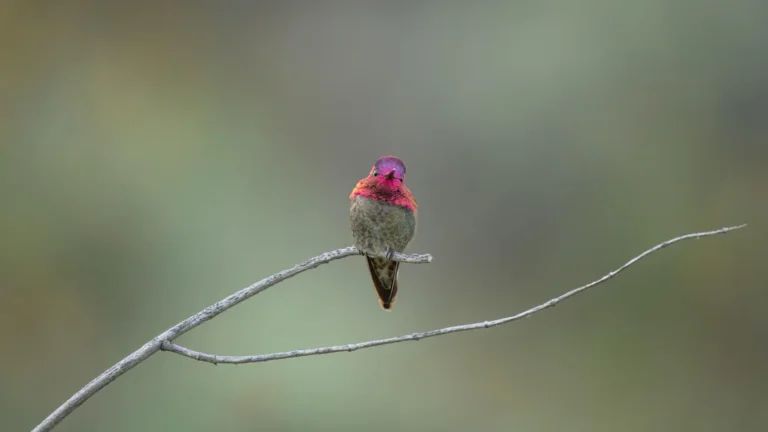
The first time I noticed a green and pink hummingbird, I almost thought I was seeing two different birds at once. One moment,, it looked bright green. Then it turned its head, and its throat flashed a glowing pink.
If you spend time watching hummingbirds as I do, you will notice this often. The green and pink hummingbird is not a rare species. It is usually a common hummingbird with special feathers that reflect light in unique ways.
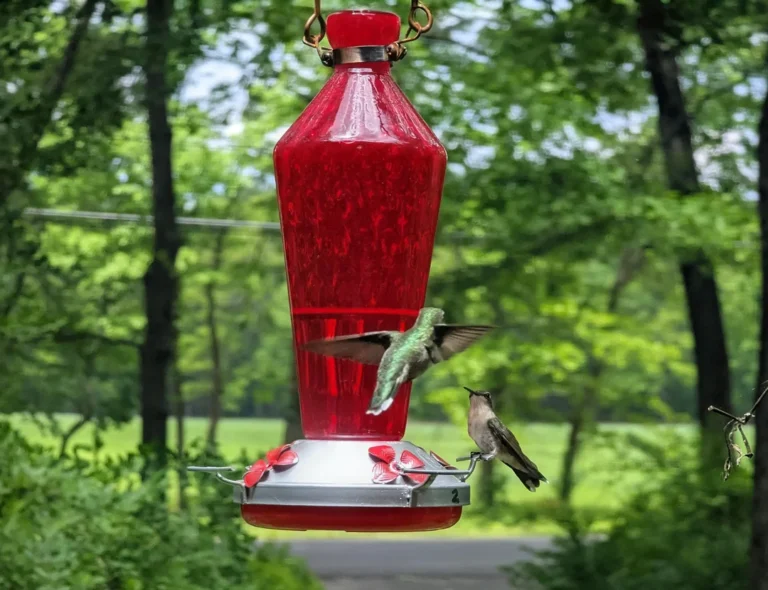
In many parts of the United States, the bird people describe as a green-and-pink hummingbird is the ruby-throated hummingbird. I see them visit feeders early in the morning. They hover, take a few quick sips, then fly off to a nearby branch.
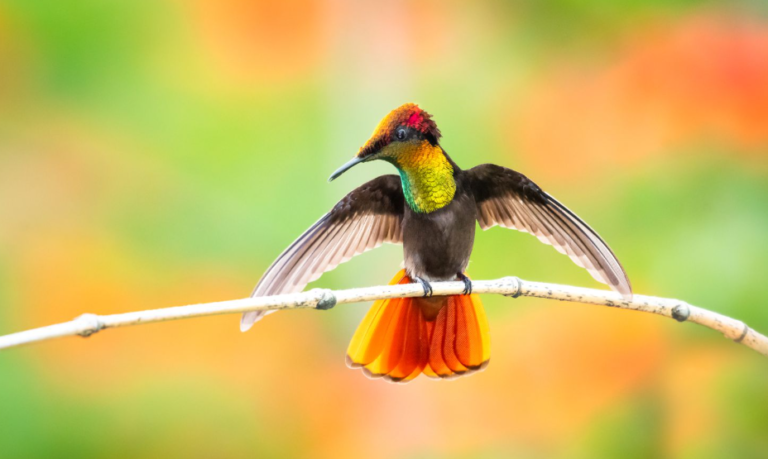
What makes them special is how their colours change. The body often looks green in normal light. The throat can appear bright pink, red, or even dark depending on the angle of the sun. This colour shift is one of the most beautiful sights you can see in a quiet garden.
When you understand why this happens, you start to enjoy hummingbirds even more. You stop thinking of them as simple birds and begin to notice how light, movement, and behavior come together in a single moment.
When people search for a green and pink hummingbird, they are usually seeing a male hummingbird with an iridescent throat. I have watched this many times in my garden. The same bird can look plain one second and very colourful the next.
The green colour comes from the feathers on the back and body. This green is soft and steady. It does not change much with light. But the pink colour on the throat is different. It is not a normal paint colour. It depends on how light hits the feathers.
Hummingbirds have tiny feather structures that reflect light. When the sun hits the throat at the right angle, the colour shines bright pink or red. When the angle changes, the colour can disappear or appear dark.
I often sit still and watch one bird at a feeder. When it turns its head, the throat suddenly glows. Then it fades again. This happens very fast. That is why many people think they saw a green and pink hummingbird, even though it is the same bird changing colour in the light.
In the United States, the most common example is the ruby-throated hummingbird. The male has a green body and a bright throat that can look pink in sunlight. Females usually do not show this pink colour. Their throat is pale and simple.
Another thing I have noticed is how they use this colour. Males often display their bright throat when guarding a feeder or trying to impress a female. They turn their head in a way that catches the light. It almost feels like they know how to show off their best side.
If you want to see a green and pink hummingbird clearly, watch them early in the morning or late in the afternoon. The sunlight is softer and comes at an angle. That is when the colours really.
Over time, you start to understand that the colour is not just about the bird. It is about light, movement, and timing. That is what makes watching hummingbirds so interesting every day.
Important Hummingbird Facts Related to This Topic
When you watch a green and pink hummingbird often, you begin to notice patterns in how they move and behave. These small details help you understand why the colours appear the way they do.
One important fact is that only male hummingbirds show the bright pink throat. I see this clearly at my feeders. Thmalesle are more colourful and active, and their colour is softer. How do you tell them apart quickly?
Another thing I notice is how territorial they are. A male green and pink hummingbird will guard a feeder as it belongs to him. He will sit on a nearby branch and watch closely. If another bird comes in, he quickly flies out and chases it away. During these fast movements, the pink throat flashes again and again in the sunlight.
Their flying style also plays a big role in their ability to hover in place, fly backward, and turn very quickly. Each movement changes the angle at which light hits their feathers. That is why the green and pink look so alive and always changing.
Feeding habits are also interesting. I have seen them visit the same feeder many times in one hour. They do not drink for long. They take a few quick sips and leave. Then they come back again after a short rest. Between visits, they often sit quietly on a thin branch, giving you a good chance to see their colours more clearly.
Light is one of the most important factors. On cloudy days, the pink colour is harder to see. The bird may look mostly green or even a bit dark. But on sunny days, especially when the light is low, the throat can shine very bright pink. I always notice the best colours early in the morning.
Another fact many beginners do not know is that these birds remember places very well. Once they find a feeder, they return again and again. I have moved a feeder slightly, and the birds still come to the old spot first. This shows how sharp their memory is.
Over time, you start to see that the green and pink hummingbird is not just about colour. It is about behaviour, light, and daily habits. Watching these small details makes the experience much more enjoyable.
Common Mistakes People Make
One common mistake I see is people thinking they are looking for a rare green-and-pink hummingbird species. They spend time searching online or asking others, thinking it is something unusual. In reality, it is often a normal hummingbird that looks pink only in certain light.
Another mistake is placing feeders in deep shade. I tried this once early on. The birds still came, but I could not see the bright throat colour. Without sunlight, the pink colour fades almost completely. Many beginners miss this and think their birds are dull.
People also expect the colour to stay bright all the time. That is not how it works. The pink only shows when the angle is right. I have watched the same bird for several minutes before the colour suddenly appeared for just a second.
Some people use red dye in nectar, thinking it will attract more hummingbirds or make them more colourful. From my experience, this is not needed. The birds come for the sugar water and natural flowers. The dye does not improve their colour and can even be harmful.
Another mistake is standing too close or moving too much. Hummingbirds are curious but also careful. If you keep moving, they will not stay long. I learned to sit still and let them get used to my presence. That is when I started seeing their true behaviour.
Lastly, many people ignore natural flowers. Feeders are helpful, but flowers also attract hummingbirds. When you have both, you have more chances to see the green and pink colours under different lighting conditions.
Helpful Tips from a Hummingbird Watcher
To clearly see a green and pink hummingbird, place your feeder where sunlight can reach it. I prefer a spot that gets gentle morning light. This helps the throat colour shine without being too harsh.
Try to sit quietly a short distance away. Give the birds time to feel safe. After a few days, they will start coming even when you are nearby. This is when you can really enjoy watching them.
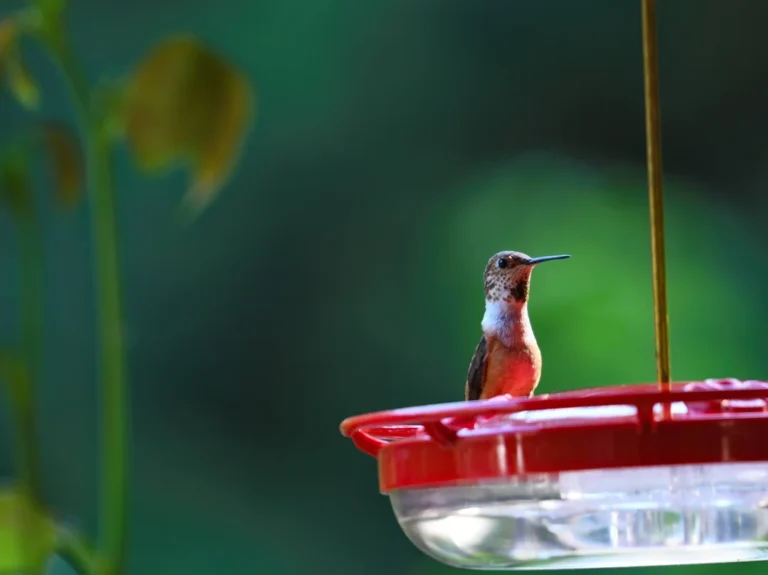
Watch their perches, not just the feeder. I often see the best colours when a hummingbird is resting on a branch. When it turns its head slowly, the pink colour appears more clearly than during fast flight.
Keep your nectar fresh and clean feeders every few days, especially in warm weather. Healthy birds visit more often, and more visits mean more chances to observe their colours.
Use simple nectar made from plain sugar and water. I have used this for years, and it works well, no extra ingredients needed. The birds respond better to clean and natural food.
Plant flowers if you can. Red and bright colored flowers attract hummingbirds naturally. I have noticed that birds visiting flowers sometimes stay longer, giving you more time to observe them.
Be patient. This is the most important tip I can share. Some days you will not see a pink column in the sknight-brightened sky, and again. The joy comes from watching and waiting.
Frequently Asked Questions
What is a green and pink hummingbird?
A green and pink hummingbird is usually a male hummingbird that shows bright colour on its throat when light hits it. Most of the time, this refers to the ruby-throated hummingbird in the United States. The body looks green, and the throat can appear pink or red in sunlight.
Why does the hummingbird look pink sometimes and not always?
The pink colour depends on light and angle. I see this every day. When the bird turns its head just right, the throat shines bright. When it turns away, the cloud disappears, changing colour. It is the light reflecting off the feathers.
Do female hummingbirds have pink throats, too?
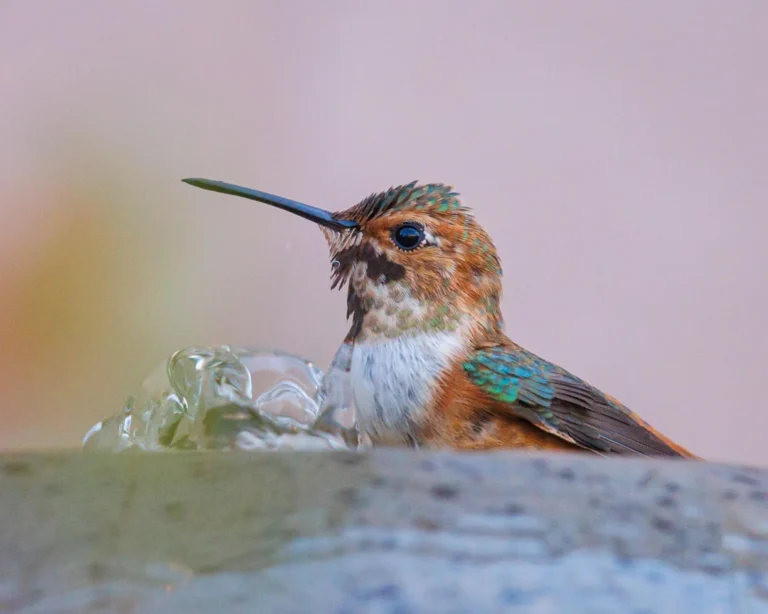
From what I have observed, female hummingbirds do not have the bright pink throat. Their throat is usually pale or light grey. If you see a strong pink colour, it is most likely a male.
When is the best time to see the picoloururr clearly?
Early morning and late afternoon work best. The sunlight is softer and comes in at an angle. This makes the throat glow more. Midday light is often too strong, and the colour is harder to notice.
How can I attract a green and pink hummingbird to my yard?
Use a clean feeder with simple sugar water. Place it where it gets some sunlight. Add flowers if possible. Stay patient and still. Once they find your yard, they will return often.
Conclusion
The green and pink hummingbird is not a rare mystery bird. It is a beautiful example of how light and nature work together. What looks like two colours is really one bird showing different sides.
From my daily watching, I have learned that the magic is in the small moments. A quick turn of the head. A flash of colour in the sunlight. A short visit to the feeder before flying away.
If you take time to sit quietly and observe, you will start to notice these details too. The more you watch, the more you understand. And soon, that simple green bird will surprise you with a bright pink glow that feels special every single time.

Sheri L. Williamson is a naturalist and hummingbird researcher. She studies hummingbirds and works to protect them. She is also the author of A Field Guide to Hummingbirds of North America in the Peterson Field Guide Series.