How To Fix Hummingbird Food | Easy Nectar Recipe Guide
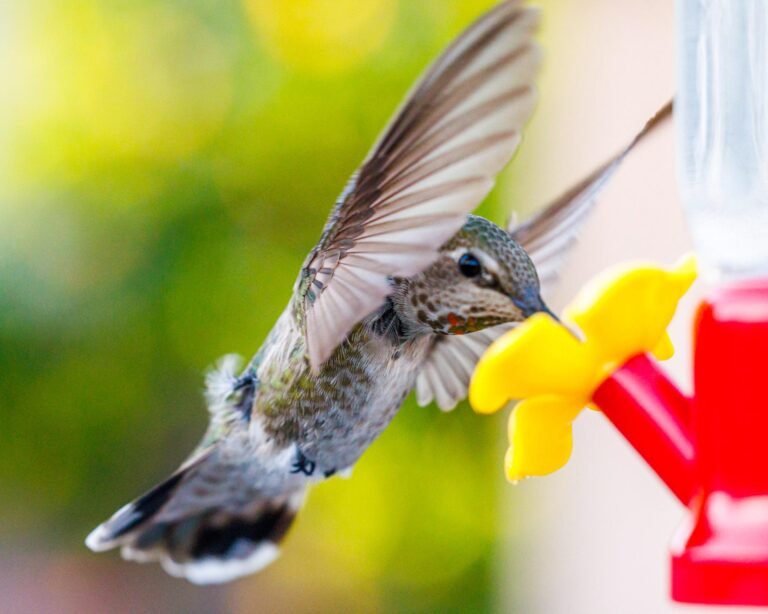
I spend many quiet mornings watching hummingbirds in my yard. They come in fast, hover for a second, then sip and dart away. Over time, I learned that the food we give them really matters. When the mix is right, they keep coming back. When it is wrong, they stay away or act uneasy.
Many people ask how to fix hummingbird feeders properly. It sounds simple, but small mistakes can make a big difference. I have made those mistakes myself, so I know what works and what does not.
Hummingbirds depend on clean and fresh nectar. In nature, they drink from flowers all day. When we use feeders, we are taking the place of those flowers. That means we need to get it right.
When people ask me how to fix hummingbird food, I always say, “Keep it simple.” Hummingbirds do not need anything fancy. They just need a clean sugar water mix that is close to what they find in flowers.
The best mix I use is 1 part white sugar to 4 parts water. For example, I take one cup of sugar and mix it with four cups of water. This ratio has worked well for me for many seasons. The birds feed calmly and keep coming back.
I always use plain white sugar. I never use honey, brown sugar, or any sweet syrup. I tried honey once many years ago, and I noticed the feeder clouded up very quickly. The birds stopped coming until I cleaned it and made a fresh batch.
To fix hummingbird food, I first heat the water. I do not boil it for long, just enough to help the sugar dissolve fully. Then I stir in the sugar until the water turns clear. After that, I let it cool down completely before putting it in the feeder.
I have noticed that warm nectar can scare the birds away. One time, I rushed and filled the feeder too soon. The hummingbirds came close but did not drink. After the nectar cooled, they returned and fed normally.
Cleanliness is very important. Before I refill, I wash the feeder with warm water. Sometimes I use a small brush to clean the feeding ports. If the feeder looks even a little cloudy, I clean it right away.
In hot weather, I change the nectar more often. In my experience, during warm days, the food can spoil in just a couple of days. When it spoils, it can harm the birds or make them avoid the feeder.
I also pay attention to how the hummingbirds behave. If they suddenly stop visiting, I check the nectar first. Many times, the problem is old or spoiled food. Once I replace it with fresh nectar, they come back within hours.
So when you think about how to fix hummingbird food, focus on three things. Use the right sugar ratio, keep everything clean, and always offer fresh nectar. That is what has worked for me every single season.
Important Hummingbird Facts Related to This Topic
Watching hummingbirds every day has taught me that they are very sensitive to what they eat. Even small changes in nectar can affect how they behave.
Hummingbirds rely on sugar for energy. Their wings move very fast, and they burn energy quickly. I often see them visit the feeder many times in one hour. If the food is weak or spoiled, it does not last long.
In nature, hummingbirds drink nectar from flowers that is light and simple. That is why the 1:4 sugar-to-water mix works so well. It closely matches what they are used to. When the mix is too strong, I notice they sip less and leave faster.
They also have a good memory. I have seen the same birds return to the exact feeder spot every day. If the nectar is fresh, they trust the feeder. If it is bad, they may avoid it for a while.
Clean water is very important for their health. When sugar water sits too long, it can grow mold. This is not always easy to see at first. I once had a feeder that looked fine from the outside, but inside the ports, there was buildup. The birds stopped feeding until I cleaned it well.
Temperature also plays a big role. On hot days, nectar spoils faster. I have learned to check the feeder more often in summer. Sometimes I change the food every two days just to be safe.
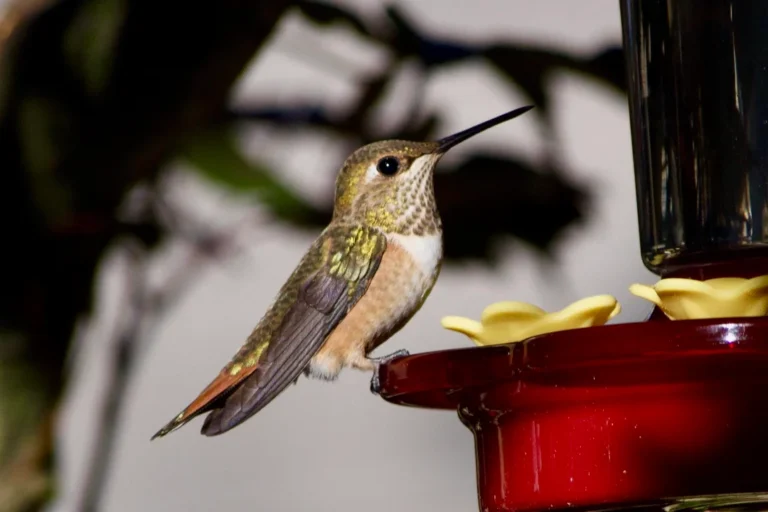
Another thing I noticed is how hummingbirds act around fresh food. When I refill with clean nectar, they become more active. They hover longer and drink more calmly. It feels like they know the difference right away.
They also prefer feeders that are easy to use. If the nectar is sticky or too thick from an incorrect mix, they struggle a bit. When the mix is correct, their feeding looks smooth and quick.
Understanding these small behaviors helps a lot when learning how to fix hummingbird food. The birds will show you if something is right or wrong. You just need to watch them closely.
Common Mistakes People Make
I have seen many people try to help hummingbirds but make small mistakes without knowing. I made some of these mistakes myself when I first started.
One common mistake is using the wrong type of sugar. Some people use honey or brown sugar. I tried honey once, and the feeder turned cloudy very fast. The birds stopped visiting. Plain white sugar is always the safest choice.
Another mistake is making the mix too strong. Some think more sugar will help the birds, but I noticed the opposite. When the nectar is too sweet, hummingbirds drink less and leave quickly. The one-to-four ratio works best because it feels natural to them.
Not cleaning the feeder enough is another big problem. I have seen feeders with old nectar sitting for days. Even if it looks clear, it can still go bad. Once, I forgot to clean a feeder properly, and the birds stayed away until I fixed it.
Some people also leave nectar out too long in hot weather. Warm days can spoil the food fast. I learned to change it often, especially in summer. Fresh nectar always brings the birds back.
Adding red dye is another mistake I used to see a lot. Hummingbirds are already attracted to the color of the feeder. They do not need colored nectar. I stopped using anything extra, and the birds kept coming just the same.
Filling the feeder with warm nectar is something I did once by mistake. The birds came close but did not drink. After the nectar cooled, they resumed feeding. That taught me to always wait.
Helpful Tips from a Hummingbird Watcher
Over time, I have picked up a few simple habits that make a big difference.
I always make small batches of nectar. This keeps it fresh and easy to replace. I do not like storing it for too long because fresh food works best.
I place my feeder where I can easily see it. This helps me watch the birds and also notice when something is wrong. If they stop visiting, I check the food right away.
I clean the feeder every time I refill it. I use warm water and a small brush to reach inside. This keeps everything safe for the birds.
In hot weather, I change the nectar more often. Sometimes every two days. In cooler weather, it can last a bit longer, but I still keep an eye on it.
I also watch how the birds behave. If they hover and drink calmly, I know the food is good. If they come close and leave quickly, I check the feeder.
Keeping things simple has worked best for me. Clean feeder, fresh nectar, and the right mix. That is all hummingbirds really need.
Frequently Asked Questions
How often should I change hummingbird food?
From what I have seen, it depends on the weather. On hot summer days, I change the nectar every two to three days. Sometimes even sooner if it looks cloudy. In cooler weather, it can last up to four or five days. I still check it daily because hummingbirds prefer fresh food.
Can I use tap water to fix hummingbird food?
Yes, I use tap water most of the time. If your water is very hard or has a strong smell, you can boil it and let it cool. I have done that during hot weather just to keep things clean. The birds drink it without any problem.
Do hummingbirds need red dye in their food?
No, they do not need it at all. I stopped using anything like that a long time ago. The red parts on the feeder are enough to attract them. Since I removed the dye, I have not seen any drop in visits.
What happens if hummingbird food goes bad?
When nectar goes bad, hummingbirds usually avoid it. I have seen them come close, then leave without drinking. Bad nectar can also harm them. That is why I always replace it as soon as it looks cloudy or has been sitting too long.
Can I store extra hummingbird food?
Yes, but I keep it simple. If I make extra, I store it in the fridge for a short time. I try to use it within a few days. Fresh nectar always works better, so I prefer making small batches.
Conclusion
Learning how to fix hummingbird food is really about keeping things simple and clean. Over the years, I have found that hummingbirds respond best to fresh nectar made with the right sugar-to-water ratio.
When the food is clean and fresh, they visit often and feed calmly. When something is off, they show it right away by staying away.
If you remember a few key things, you will do just fine. Use plain white sugar, mix it properly, keep your feeder clean, and change the nectar often.
Hummingbirds are small, but they are very smart. If you take care of their food, they will reward you with daily visits and beautiful moments that never get old.

Sheri L. Williamson is a naturalist and hummingbird researcher. She studies hummingbirds and works to protect them. She is also the author of A Field Guide to Hummingbirds of North America in the Peterson Field Guide Series.